Miniaturisation is the natural path for virtually all technology.
Computers once took up entire rooms, but now, much more powerful versions are small enough to fit inside a pocket. This trend is still ongoing, and its impact stretches far beyond mere convenience.
As electronic components keep getting smaller, they open the door to broader changes in the devices they power.
The ripple effect extends into manufacturing and supply chain concerns, both in its opportunities and challenges. Many of these shifts have already begun to take shape.
Higher functionality
One of the more obvious effects of miniaturisation is it improves device functionality. When each part takes up less space, engineers can fit more systems within a single design.
Artificial intelligence (AI) on smartphones is a great example. Many flagship phone models today can run AI models at least partially locally, and the AI smartphone segment is set to grow by 78.4% through 2028, compared to just 2.3% in the overall market.
These increasingly popular, highly capable hand-helds are only possible through the miniaturisation of AI-supporting components.
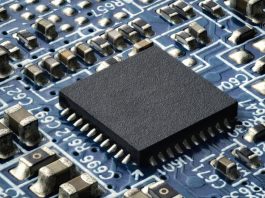
While more efficient software helps, on-device AI requires higher-capacity chips without increasing their size. The answer is smaller transistors and cores.
As these components shrink, designers can fit more of them in less space, leading to massive gains in computing power without needing more surface area.
Improved performance
In addition to being more powerful, more component-dense electronics often perform better. When each part takes up less space, engineers can increase the relative distance between them without affecting the overall circuit size.
This greater surface area-to-volume ratio leads to better thermal dissipation, helping semiconductors maintain maximum efficiency.
Miniaturisation can also lead to new performance possibilities through nanomaterials. Many resources exhibit remarkable properties on the nano-scale.
Some nanomaterials have better thermal conductivity than diamonds, others feature high electrical conductivity, and some are antimicrobial or have higher strength-to-weight ratios than steel.
When electronics design shrinks to this scale, it can fully capitalise on nanomaterials’ benefits. That can lead to more responsive electrical components, lower risks of glitches or overheating, or other performance-related advantages, all in a smaller package.
Unique manufacturing concerns
Of course, the miniaturisation of technology poses some challenges, too. As beneficial as this trend is for devices and the people who use them, designing and producing such delicate and precise parts is no easy task.
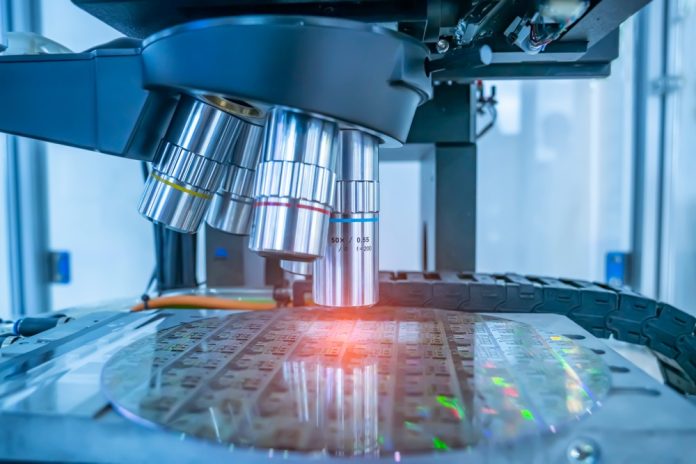
Tighter tolerances require advanced equipment and mean even tiny errors can cause big problems. Quality inspections may also require upgrades, as looking at a smaller system in detail requires a closer look than what may be possible with conventional solutions.
While today’s technology can handle these concerns, it can raise costs and workflow complications for manufacturers.
On the other hand, the need for advanced equipment comes with an upside. High-accuracy processes like precision injection moulding can minimise labour costs because they necessitate automation.
Over time, this benefit will mean higher cost-effectiveness and offset workforce shortages for manufacturers despite the initial expense.
New use cases for advanced tech
As advanced technologies keep getting more compact, the applications these innovations can serve grow. Wearables are an early example of this trend.
Miniaturisation of smartphone hardware has made it possible to text, talk and control smart devices from a watch, and similar convenience shifts could emerge as other technologies follow the same path.
Researchers have recently made quantum computing components 1,000 times smaller than their conventional counterparts. Such a change could eventually make it possible to make quantum computers as small as a normal desktop or even laptop.
As a result, it’d be far easier for businesses in multiple industries to capitalise on this technology’s potential.
Implantables are another segment that could grow from miniaturisation. Smaller electronics could enable more sophisticated brain-computer interfaces, health monitoring devices, or other medical devices to take health care to new heights.
Environmental benefits
The growing push toward miniaturisation could also make technology more eco-friendly. Compact components mean each device requires less material.
Consequently, manufacturers could reduce their reliance on environmentally destructive mining processes, as they wouldn’t need as much to serve the same purpose.
Smaller electronics’ energy consumption is worth considering, too. On-device AI consumes 100 to 1,000 times less power per task than cloud-based AI by reducing the need for electricity-hungry data centers.
As big capabilities become possible in smaller packages, the world won’t need as much energy to achieve the same performance.
Reduced battery needs could also open the door to sustainable power options. Wearables and other tiny pieces of tech could use no-carbon processes like solar or motion-based energy harvesting to power themselves. The benefits will be small, but they could amount to significant savings at scale.
Small components are making big changes
The move to smaller electronics is challenging at times, but the benefits are massive. As components keep shrinking, the possibilities of what compact devices can do expand.
This transition has already enabled monumental changes across industries, and the world has likely only scratched the surface of its potential.