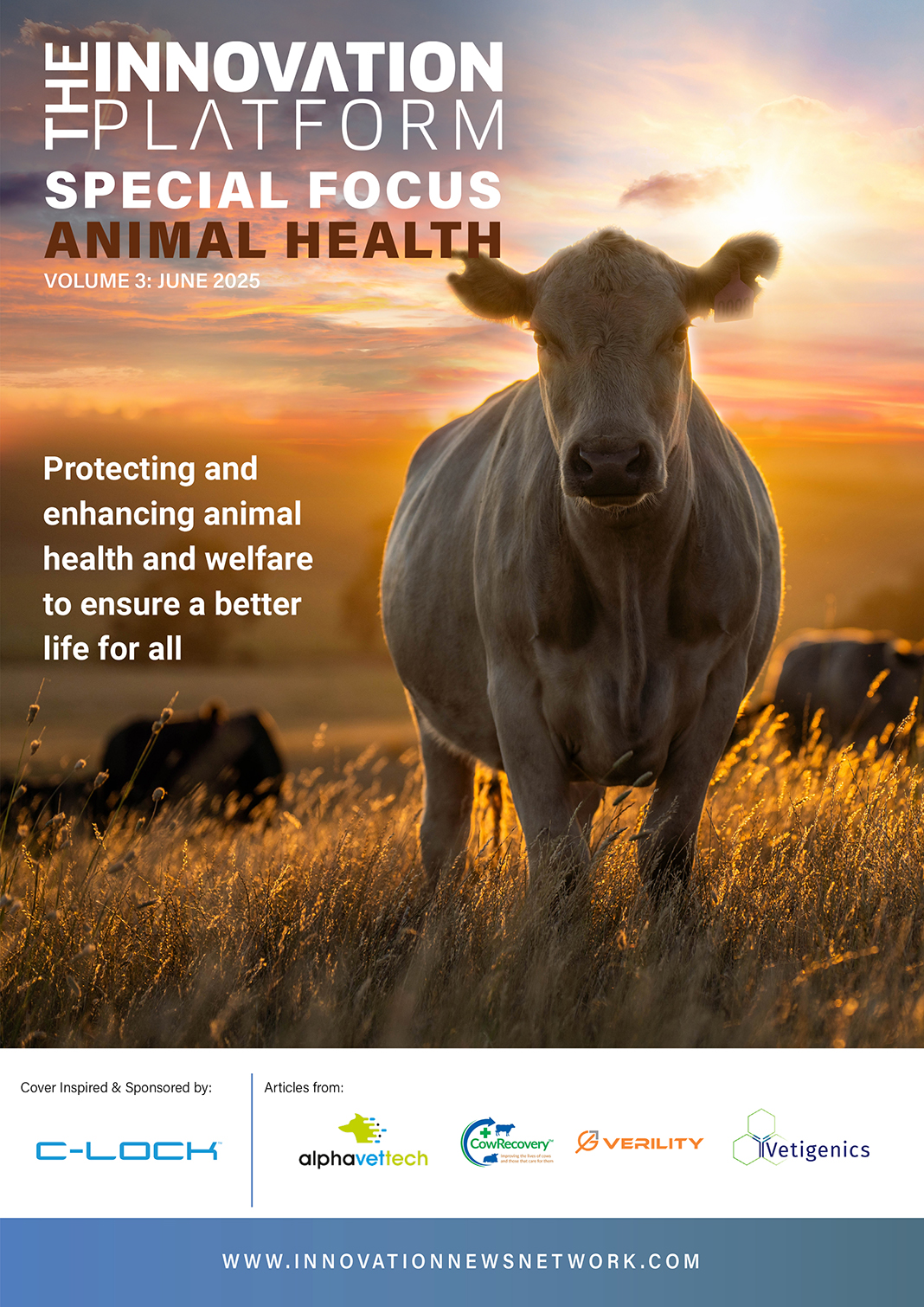
Ensuring the health of animals is not only important for the animals themselves, but it also has a crucial impact on human wellbeing, the environment, and the economy.
As the global ‘One Health’ strategy recognises, human, animal and ecosystem health are interlinked, and we all have a role to play in disease prevention and global health security.
This dedicated publication will explore the multifaceted sector of animal health and the many aspects we can focus on to improve the health of animals and, in turn, enhance the quality of life for all. From dairy farming to veterinary tech, this standalone edition features tailored expertise and insight across a variety of topics.
The importance of disease control in ensuring healthy animals
A crucial component of animal health is disease control, which is becoming increasingly more complex to manage in today’s world. Kicking off this edition, Roxane Feller, Secretary General of AnimalhealthEurope, discusses the importance of animal vaccinations and calls for an urgent revision to Europe’s approach to animal disease prevention.
New innovations improving our approach to animal health and welfare
One thing that has become clear in the production of this publication is the importance of innovation in improving our approach to animal care. From veterinary care to farming, advances in technology have the potential to revolutionise the animal health sector across all disciplines. This issue explores a wide range of such solutions – from Alpha Vet Tech’s WirelessZoo animal health monitoring technology, to the Nofence virtual fencing system. Gallagher Animal Management showcases its suite of digital tools, offering a precision farming ecosystem to transform the way we farm. We also hear from James Yeatman, a dairy farmer who developed an impressive system, CowRecovery, to deal with down cows; and Verility showcases its AI-powered FertileEyezTM software designed to enhance sow breeding practices.
Making operations more sustainable
As the world strives to become more sustainable, the majority of sectors are looking at ways to make their operations greener, and the dairy industry is no exception. We spoke to Peter Stamp Enemark and Katrine Lawaetz from Arla Foods, representing the European Dairy Association, to discuss how Europe is supporting its dairy sector to be more sustainable. From initiatives to track CO2 emissions produced, to the energy used to power farms, the pair address a wide variety of considerations when it comes to sustainability in the dairy industry.
Exploring the sustainability narrative further, a major issue with the livestock sector in particular is the amount of methane emissions produced by grazing animals. To tackle this challenge, many are looking to sustainable feed alternatives that can reduce harmful emissions produced by livestock. In this book, James McCulloch, Head of Feed Sector at the Agricultural Industries Confederation, discusses how the feed industry can drive a more sustainable livestock production sector. We also investigate how one company, FutureFeed, is pioneering the use of Asparagopsis seaweed as a livestock feed solution to reduce methane emissions and improve production in ruminant animals.
When it comes to improving herd efficiency and reducing greenhouse gas (GHG) emissions, monitoring solutions can be essential. Here, C-Lock introduces its range of cattle emissions and efficiency measurement technology contributing to more sustainable beef and dairy production systems. We also explore Agscent’s offering of GHG sensor technology, designed to unlock new pathways to productivity, efficiency, and market premiums for producers worldwide.
Antimicrobial resistance in the animal health industry
It’s no secret that antimicrobial resistance (AMR) is becoming an increasing global health threat worldwide, not only to humans but also to animals and plants. In this issue, Cóilín Nunan, Policy and Science Manager at the Alliance to Save Our Antibiotics, discusses antibiotic overuse in farming, and advocates for stricter regulations and fundamental changes in farming practices to mitigate antibiotic resistance. Also in this issue, AGA2tech explains how it has embraced the ‘One Health’ initiative and is aiming to tackle the global challenge of AMR while promoting sustainable agricultural practices.
Canine cancer: How can we prevent, treat and care for dogs?
Concluding this edition, we have an interesting spotlight guide on the topic of canine cancer. Produced in partnership with biopharma company Vetigenics, this section is a practical guide to the prevention, detection, and management of canine cancer. It brings together a collection of in-depth articles that examine canine cancer from every angle: prevention, treatment, innovation, and the future of care.
The future of animal health and welfare
Ensuring animal welfare is a complex task and involves the commitment of all, from the pet owner to the feed supplier. Tackling pressing global challenges, such as AMR and greenhouse gas emissions, is of the utmost importance in the animal health sector today, but it is also important to embrace innovation and advances in technology to help us do this.