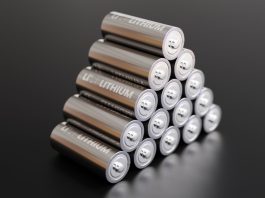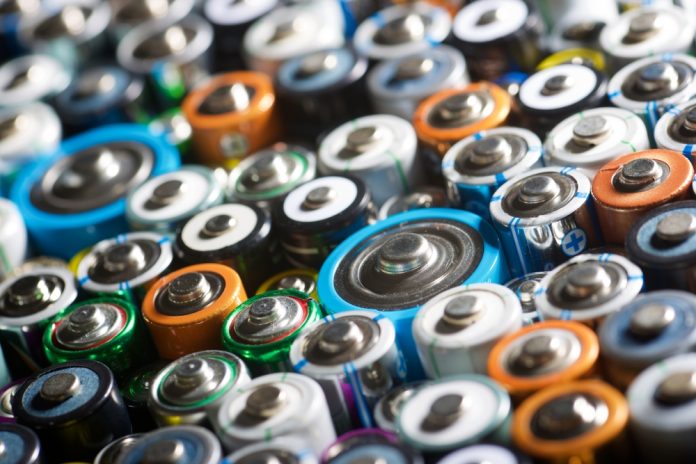
The European Commission has introduced sweeping new rules to transform how the continent recycles waste batteries.
Set to take effect on 24 July 2025, the regulations are designed to boost material recovery, cut waste, and safeguard access to critical raw materials like lithium, cobalt, and nickel, essential for everything from electric vehicles to renewable energy storage.
As Europe accelerates its green transition, these new rules signal a major pivot: batteries will no longer be seen as disposable power sources, but as valuable resource hubs that can fuel a circular, resilient, and competitive economy.
A vital step for climate and circular goals
Batteries are central to Europe’s green transition – powering electric vehicles, storing renewable energy, and supporting the EU’s goal of climate neutrality by 2050.
However, the increasing reliance on batteries has also highlighted the urgent need to secure access to critical and strategic raw materials.
To tackle this challenge, the Commission’s new rules ensure that more of these valuable materials are efficiently recovered and reused, reducing dependency on third-country imports and supporting the EU’s goal of strategic autonomy.
Clearer guidelines to level the playing field
The new framework establishes harmonised methodologies for calculating both recycling efficiency and material recovery rates.
It applies to all major battery types – lead-acid, nickel-cadmium, lithium-based, and others – and sets clear expectations for recyclers across the EU.
By enforcing a consistent calculation method and documentation format, the regulation aims to prevent unfair competition in the growing market for secondary raw materials, where inconsistencies in data have previously hindered progress.
Ambitious battery recycling and recovery targets
As outlined in Annex XII of the Batteries Regulation, recyclers must meet specific targets for recycling efficiency by 31 December 2025:
- 75% for lead-acid batteries
- 65% for lithium-based batteries
- 80% for nickel-cadmium batteries
- 50% for other batteries
These will rise further by 2030, with lithium-based battery efficiency targets increasing to 70% and lead-acid to 80%.
Equally ambitious are the material recovery targets:
- By 2027: 90% for cobalt, copper, lead, and nickel; 50% for lithium
- By 2031: 95% for cobalt, copper, lead, and nickel; 80% for lithium
These targets reflect the EU’s commitment to closing the loop on battery materials and reducing waste through efficient reuse.
Securing supply chains through better battery recycling
Beyond environmental benefits, enhancing material recovery capabilities is a strategic imperative.
As the global race for raw materials intensifies, Europe’s ability to recycle and retain valuable resources domestically becomes crucial to safeguarding its industrial resilience and maintaining supply chain security.
Improved battery recycling infrastructure not only lessens reliance on volatile international markets but also helps drive innovation and job creation in the green tech sector.
Developed with input from the Joint Research Centre and key stakeholders, this delegated act represents a major step in Europe’s battery policy.
As implementation nears, the EU positions itself at the forefront of sustainable battery use, transforming waste into value and material recovery into a cornerstone of its circular economy.