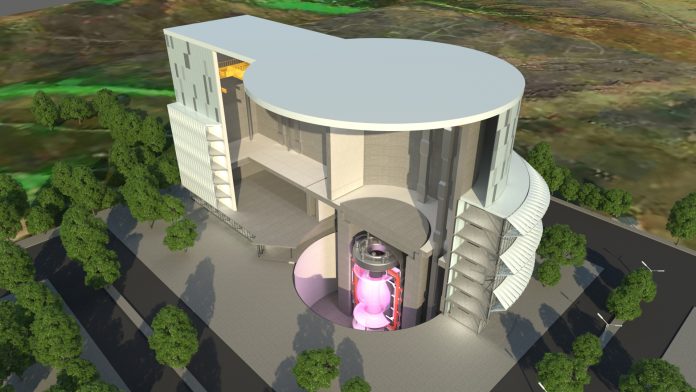
Dame Andrea Jenkyns, Mayor of Greater Lincolnshire, visited the STEP Fusion site at West Burton on Thursday to see first-hand how the UK’s world-leading fusion energy programme is set to deliver exciting new opportunities for Lincolnshire residents.
Mayor Jenkyns toured the STEP Fusion site at West Burton and met with project leaders to discuss how the programme is set to create thousands of skilled jobs in construction and engineering over the next 15 years and beyond.
Targeting first operations by 2040, the STEP programme is already boosting the development of local skills. Colleges and universities across the region are expanding fusion-relevant courses to ensure local people benefit from these new high-skilled jobs.
Whilst on site at West Burton, Mayor Jenkyns commented: “At STEP Fusion in West Burton, I’ve seen what’s possible and it’s very exciting.
“The impact across Greater Lincolnshire on skills to service the fusion industry and the industries that come off this, the job creation and growth, is amazing.”
A rich history of UK power
During her visit, Mayor Jenkyns observed the demolition of cooling towers at the neighbouring former coal-fired Cottam power station – one of the largest demolitions of its type in history.
With a proud heritage of powering the UK from North Nottinghamshire, many former workers from both the Cottam and West Burton former power stations gathered to witness this historic moment.
The demolition marks a significant milestone in the region’s energy transformation, as the area bordering Lincolnshire along the River Trent becomes a global hub for fusion energy.
How STEP Fusion is leading the charge for fusion
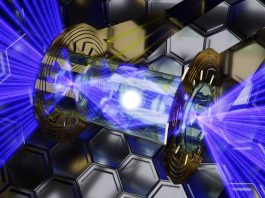
The first of its kind, STEP Fusion is the UK’s major technology and infrastructure programme to build a prototype fusion power plant that will demonstrate net energy, fuel self-sufficiency and a viable route to plant maintenance.
This paves the way for the potential development of a fleet of future fusion power plants around the world and the commercialisation of fusion energy.
This will be achieved by producing a prototype tokamak power plant, in an innovative spherical shape, that will demonstrate net energy. But STEP is about more than tokamak technology – it’s a huge endeavour encompassing design, site development and construction, alongside supply chain logistics and industry.
Fusion research and development has the potential to catalyse new ideas and technologies that will benefit multiple industries and help secure our future on this planet.
By fusing government and business, inspiration and pragmatism, theory and practice, UK expertise and international impact, STEP Fusion realises the change to secure a bright future for the UK.
Boosting fusion skills across the East Midlands
A 20-year skills partnership has already been agreed between the UK Atomic Energy Authority and the East Midlands Combined Authority.
This will drive fusion skills and economic growth across both Lincolnshire and the wider East Midlands, alongside a £2.5bn investment from central government into fusion energy over the next five years.
As the prototype fusion energy plant develops, STEP Fusion will work with Mayor Jenkyns and other partners to help create local construction, engineering and fusion-related jobs – keeping West Burton at the heart of the community for decades to come.
STEP Fusion’s Programme Director, Dr James Cowan, concluded: “Greater Lincolnshire has the skills, ambition, and drive to play a key role in this national project.
“The Mayor’s support helps us ensure that the opportunities created here at West Burton, from high-value jobs to new supply chains, will not only regenerate the area but also continue the site’s proud legacy in energy generation, securing skilled employment and economic growth for decades to come.”