General Atomics Electromagnetic Systems advances global readiness with breakthrough technologies spanning defence, energy, space, and environmental solutions, turning innovation into reliable, mission-ready capabilities.
General Atomics Electromagnetic Systems (GA-EMS) is building what comes next, delivering disruptive technologies that power the future of energy, security, and space across every domain –from subsea platforms to cislunar missions.
With deep expertise in electromagnetic systems, energy storage, and advanced power generation, GA-EMS transforms breakthrough concepts into fielded capabilities, delivering progress where others deliver promises.
From industrial resilience and infrastructure protection to space exploration and environmental restoration, GA-EMS delivers the right technologies at the right time to drive outcomes aligned with evolving customer needs.
Maritime innovation and operational excellence
Innovation is embedded in every GA-EMS system. The company continues to deliver transformative technologies that strengthen operational performance across maritime platforms.
Its Electromagnetic Aircraft Launch System (EMALS) and Advanced Arresting Gear (AAG) are fully operational aboard the USS Gerald R. Ford (CVN 78), which marked its 30,000th arrested landing on August 30, 2025 – a milestone that underscores unmatched reliability and system maturity.
These technologies deliver electromagnetic precision, reduced maintenance, and digital control for next-generation launch and recovery operations.
Advanced weapons: Precision and protection
In the advanced weapons domain, GA-EMS is leading the evolution of precision strike and layered protection.
The BullseyeTM long-range missile delivers accurate, affordable, autonomous performance, while the Long Range Maneuvering Projectile (LRMP) offers extended range, mobility, and multi-mission payload flexibility.
GA-EMS’s directed energy systems and hypersonic weapons provide fast, accurate threat response capabilities, extending operational dominance across land, sea, and air.
Nuclear fission technologies for global readiness
GA-EMS advances nuclear fission technologies, deploying TRIGA® research reactors worldwide and engineering cutting-edge terrestrial and space reactors.
The team addresses safety, waste, cost, and non-proliferation, enhancing reactor performance and resilience with silicon-carbide composite fuel cladding.
Resilient energy innovation across environments
Energy innovation continues across demanding environments. LiFTTM batteries, high-energy density capacitors, and modular drives deliver resilient power across maritime, industrial, and mobile platforms.
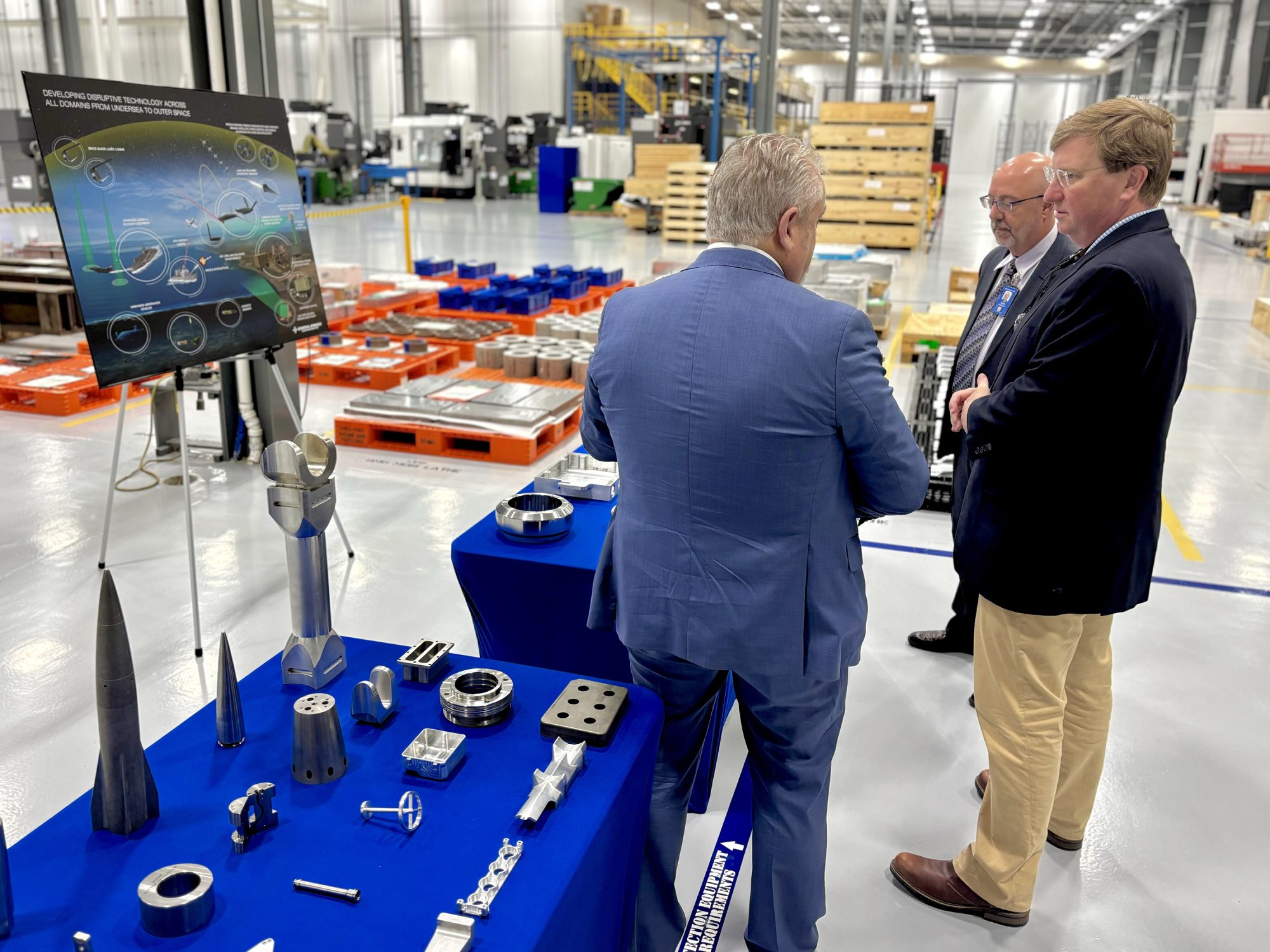
On-demand hydrogen and heat generation systems further extend operational continuity in remote or extreme conditions. Backed by decades of engineering expertise and purpose-built infrastructure, GA-EMS produces large, mission-critical components with proven reliability.
Accelerating space missions from LEO to cislunar
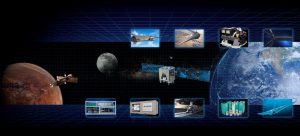
In space, GA-EMS is accelerating the deployment of modular satellite platforms and flight-ready systems supporting missions from low Earth orbit (LEO) to cislunar space.
Its spacecraft designs, optical communication terminals, and advanced sensors enable secure data sharing, early warning, and on-orbit computing. These innovations support commercial, civil, academic, and defence missions with scalable, flight-proven architectures.
Environmental stewardship: Clean and secure solutions
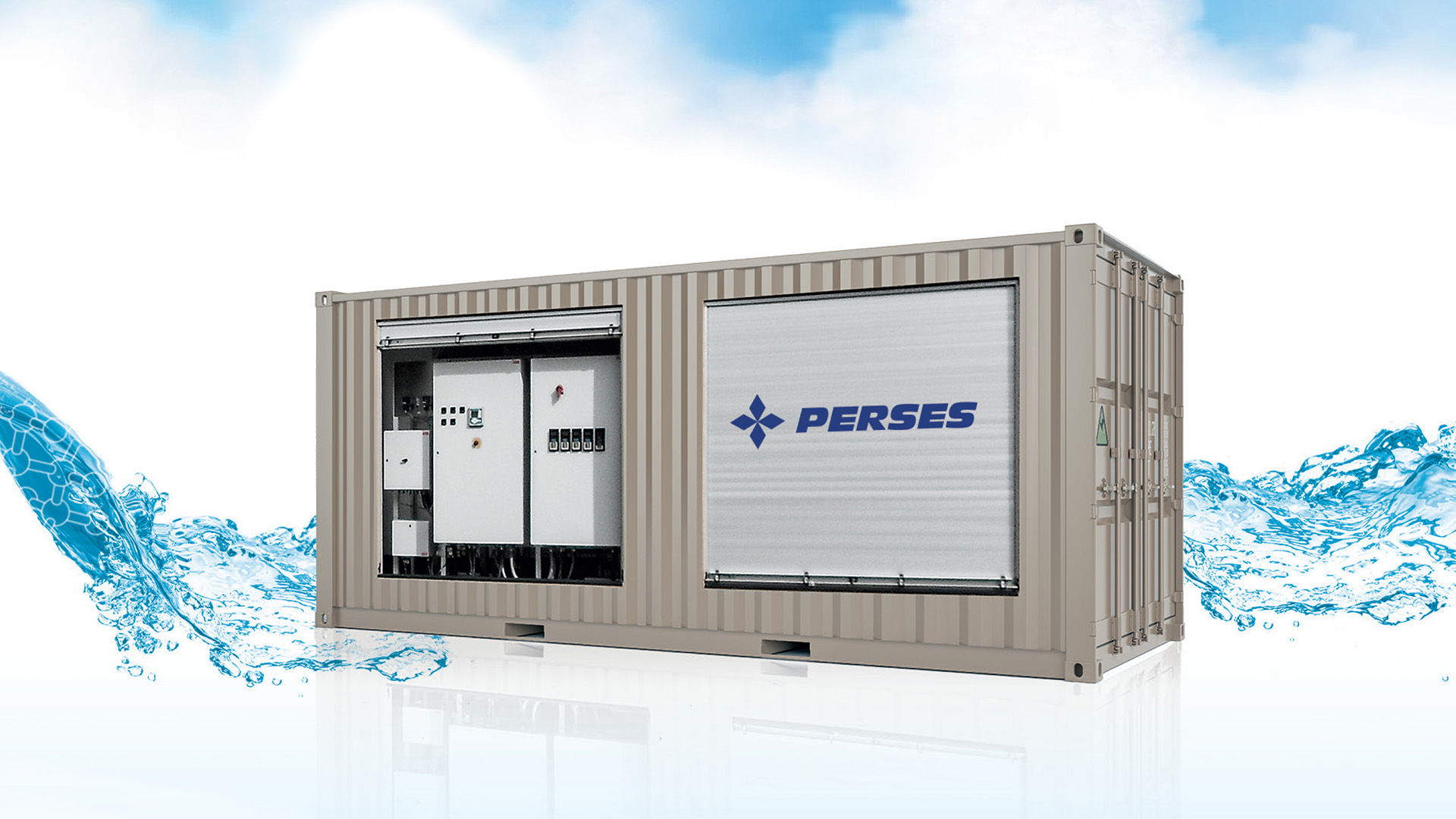
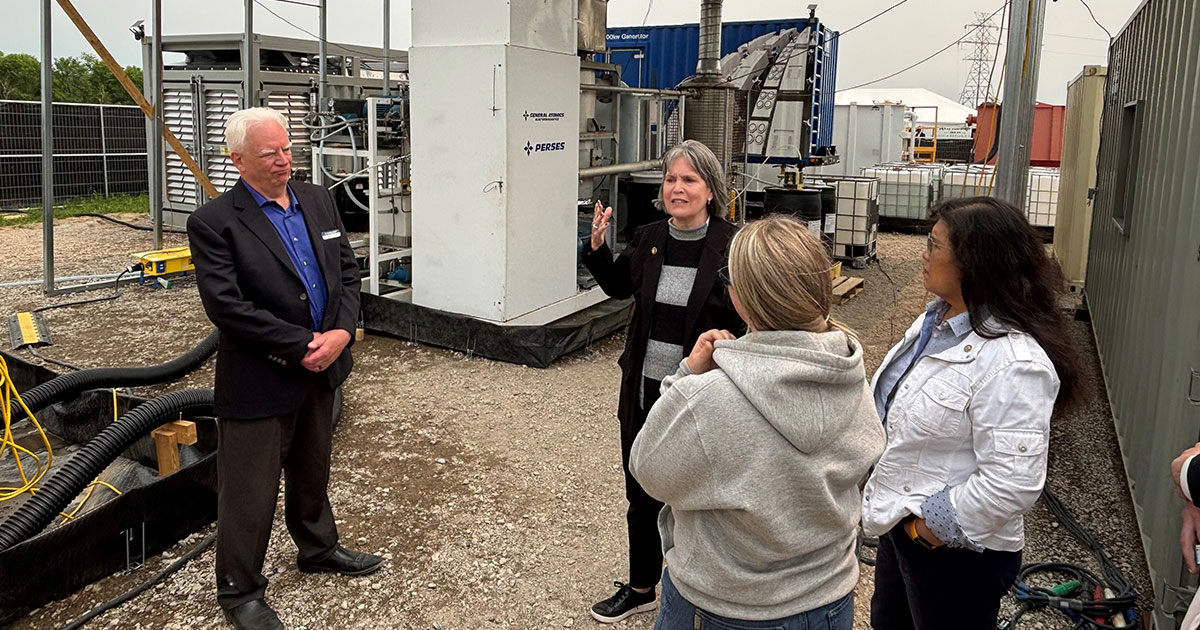
Environmental innovation is exemplified by the PERSESTM waste destruction system, which uses proprietary iSCWO technology to eliminate hazardous waste, including PFAS, with over 99.99% efficiency and no harmful emissions.
To secure these advanced systems and installations, GA-EMS offers FencepostTM, a modular perimeter security solution that integrates autonomous sensors and layered countermeasures to detect, deter, and defeat threats before they reach critical infrastructure.
GA-EMS is shaping the future of global readiness, environmental resilience, and space-based innovation through relentless technological advancement.