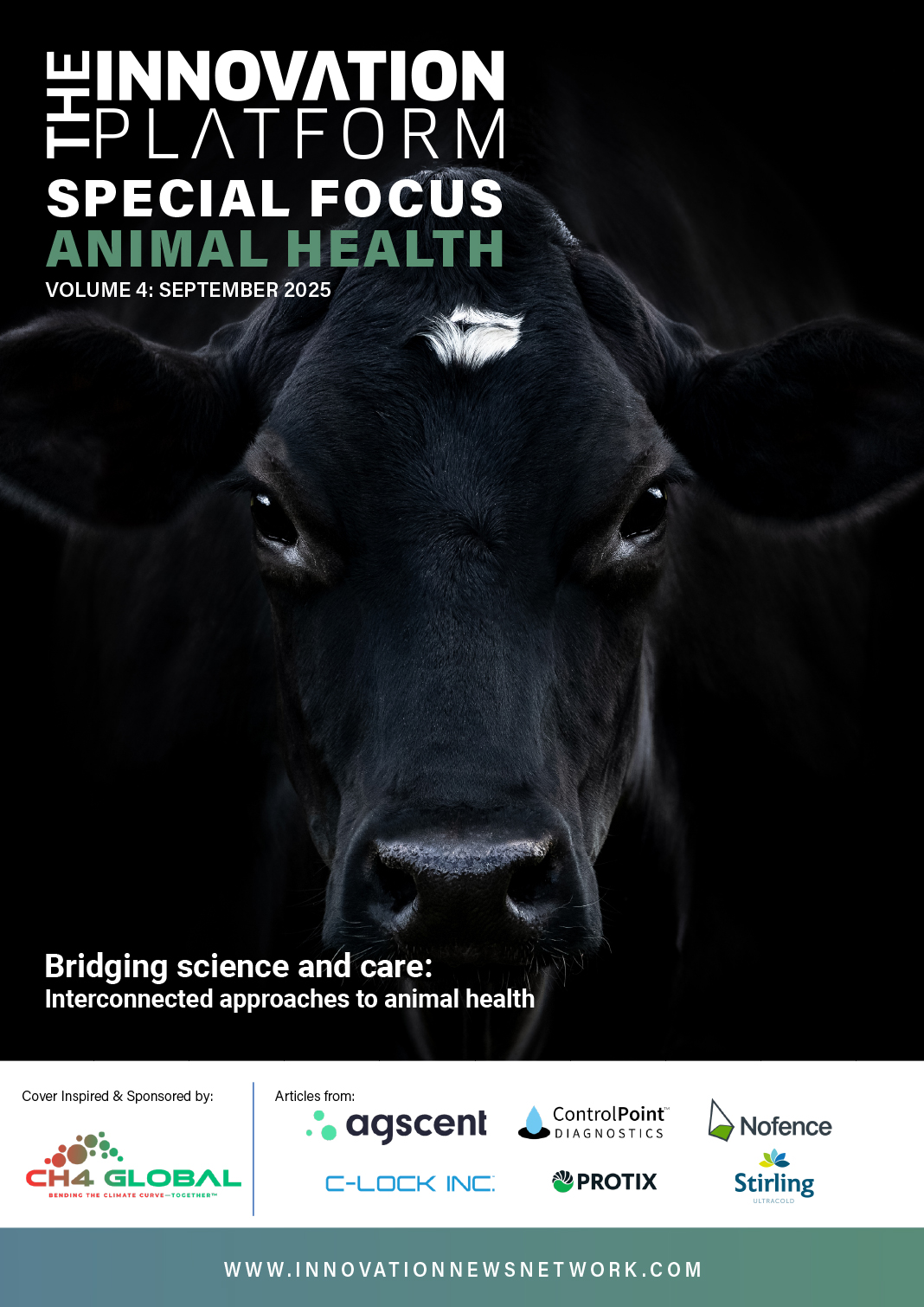
Welcome to our fourth animal health special focus publication, covering topics like methane emissions, sustainable feed, wildlife restoration, and vaccine biosecurity to safeguard both animal and human well-being.
Navigating the many complex challenges facing the multifaceted animal health sector is difficult, but vital to maintaining biosecurity for all. From the food they eat to the habitats in which they live, this special focus edition will explore many crucial aspects of animal well-being, providing a guide to maintaining a healthier life for both animals and humans.
As the world works to address the issue of greenhouse gases, the topic of methane emissions is a pressing challenge in agriculture. Farming is a major source of methane emissions, primarily from the digestive process of ruminant animals. This publication features several articles exploring the issue of methane emissions in farming and ways to manage this, from methane measurement technology to methane-reducing food supplements. The Pirbright Institute also discusses its interesting development of a promising methane vaccine, aimed at reducing methane emissions from livestock.
We also delve deeper into the subject of animal feed, exploring such topics as the benefits of insect ingredients. Steven Barbosa, Secretary General of the International Platform of Insects for Food and Feed, discusses the potential for insects as a sustainable feed alternative.
Elsewhere in the issue, Sara King from Rewilding Britain discusses the organisation’s Rewilding Innovation Fund and explains how it works to restore and revitalise our wildlife ecosystems through collaboration, creativity, and community involvement. We also take a look at various technological innovations helping to transform the animal health sector, from rapid diagnostic tools to virtual fencing solutions.
An important factor in ensuring overall biosecurity is animal vaccines. The correct storage of these vaccines is something that must not be overlooked, as improper handling can lead to diminished vaccine efficacy, putting animals at increased risk of contracting infectious diseases. We investigate this topic in more detail within this issue, looking at the key guidelines that farmers and veterinary professionals must follow to maintain correct vaccine storage.
Together, these diverse yet interconnected topics highlight the evolving landscape of animal health and the innovative efforts being made to support it. As we continue to confront environmental, technological, and biological challenges, collaboration across sectors remains essential. We hope this issue offers valuable insights and inspiration for those working to safeguard the health of animals, people, and the planet.