The landscape of identity protection is evolving. Traditional methods, such as passwords and PINs, often fall short in security and user experience.
Biometrics, including fingerprints and facial recognition, offer a promising alternative. As technology advances, these systems are becoming more sophisticated and integrated.

However, questions of privacy and ethics remain significant. The future holds potential, but what challenges and innovations lie ahead in the realm of biometric security?
Why traditional methods are failing: The limits of passwords and PINs
As technology evolves, the limitations of traditional security methods, such as passwords and PINs, become increasingly apparent.
Users often struggle to create complex passwords that are both memorable and secure, leading to the reuse of simple passwords across multiple accounts. This practice significantly increases vulnerability, as breaches in one system can compromise others.
Additionally, the human tendency to forget passwords results in frequent resets, which can further expose accounts to risks during the recovery process.
Moreover, phishing attacks and social engineering tactics continue to exploit these weaknesses, rendering passwords insufficient for safeguarding sensitive information.
The sheer volume of accounts that individuals manage compounds the problem, making it nearly impossible to maintain robust security practices.
As cyber threats grow more sophisticated, the inadequacy of traditional methods highlights the urgent need for more secure and user-friendly alternatives in identity protection, paving the way for innovations like biometrics.
Biometrics 101: Fingerprints, facial Recognition, iris scans, and voice ID
The limitations of traditional security methods have prompted a shift towards biometric systems, which leverage unique physical and behavioural traits for identity verification.
Biometrics encompasses various technologies, including fingerprints, facial recognition, iris scans, and voice identification. Each method utilises distinct characteristics that are inherently unique to individuals.
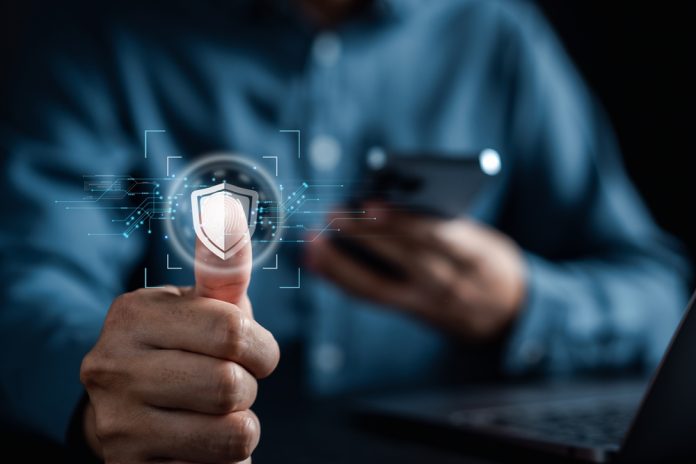
Fingerprint recognition has long been established, relying on the unique patterns of ridges and valleys found on fingers.
Facial recognition employs algorithms to analyse facial features, enabling systems to identify individuals based on their appearance.
Iris scans capture the intricate patterns in the colored part of the eye, providing another secure identification method.
Meanwhile, voice ID analyses vocal attributes, such as pitch and tone, to confirm identity.
Collectively, these biometric solutions offer a more secure alternative to passwords and PINs, reflecting an evolving landscape in identity protection technology.
Enhancing security through biometrics: How technology reduces fraud
While traditional security measures often fall short in preventing fraud, biometric technology has emerged as a powerful tool for enhancing security.
By utilising unique physical and behavioural traits, such as fingerprints, facial recognition, and voice patterns, biometrics offers a level of authentication that is difficult to replicate.
This technology significantly reduces the risk of identity theft and unauthorised access, as it requires the actual presence of the individual rather than merely possessing a password or identification card.
Moreover, biometric systems can quickly analyse and verify identities, streamlining processes in banking, travel, and online transactions.
The integration of biometrics into security protocols not only deters fraudulent activities but also builds consumer trust by providing an added layer of protection.
As organisations increasingly adopt biometric technology, the potential for fraud diminishes, paving the way for a more secure environment in both physical and digital realms.
Privacy and ethical considerations: Protecting personal data in a biometric world
How can individuals ensure their personal data remains secure in a world increasingly reliant on biometrics? This question underscores the pressing need for robust privacy and ethical frameworks.
As biometric data, such as fingerprints and facial recognition, becomes commonplace, the risk of misuse escalates. Individuals must be vigilant, understanding how their data is collected, stored, and utilised.
Organisations should implement stringent data protection policies, ensuring transparency and accountability.
Moreover, regulations such as the General Data Protection Regulation (GDPR) can provide essential guidelines, enforcing standards for consent and data processing.
Ethical considerations also come into play, as biometric systems must avoid biases that can lead to discrimination.
Ultimately, the responsibility lies with both individuals and institutions to foster a secure environment, balancing innovation with the imperative to protect personal privacy in a biometrically-driven landscape.
This collective effort is vital in maintaining trust and safeguarding individual rights.
Integration across industries
As industries increasingly adopt biometric technologies, the potential for integration across various sectors, such as banking and healthcare, becomes more apparent.
Biometric authentication, which includes fingerprint scanning, facial recognition, and iris identification, offers enhanced security and efficiency.
In banking, these technologies facilitate secure transactions and minimise fraud, allowing customers to access their accounts seamlessly.
Meanwhile, healthcare providers utilise biometrics to verify patient identities, ensuring accurate medical records and safeguarding sensitive information.
Moreover, the integration of biometrics can streamline processes, such as patient admissions and insurance claims, reducing wait times and improving overall service.
As sectors collaborate to adopt these technologies, the interoperability of systems will likely enhance user experience and bolster trust.
Ultimately, the convergence of biometric solutions across industries presents opportunities for innovation and improved security, paving the way for a more interconnected and secure future in identity protection.
Looking ahead: The next wave of biometric innovations
What innovations lie ahead in the realm of biometrics? Experts predict a surge in multimodal biometric systems that integrate various identification methods, enhancing security and user convenience.
Recent advancements in artificial intelligence and machine learning are expected to refine biometric recognition processes, leading to faster and more accurate identification.
Moreover, the development of biometric wearables, such as smart rings or skin patches, may allow for continuous identity verification while ensuring user privacy.
In addition, researchers are exploring non-invasive biometric techniques, including the analysis of gait patterns and heart rhythms, to create unique user profiles. These innovations could revolutionise sectors like travel and finance, where secure identity verification is paramount.
Furthermore, advancements in biometric encryption will likely enhance data protection, reducing the risk of data breaches.
As technology progresses, the future of biometrics promises a more secure and seamless experience, fundamentally transforming identity protection strategies across various industries.
In conclusion, the future of identity protection is poised to be revolutionised by biometric technologies, which offer enhanced security and streamlined user experiences.
As multimodal systems and advanced AI continue to evolve, they will provide continuous and non-invasive verification methods, significantly mitigating the risks of identity theft.
However, it remains essential to address privacy and ethical concerns to ensure that personal data is safeguarded in this rapidly advancing biometric landscape. The journey toward secure identity protection is just beginning.