Methane is a potent greenhouse gas, with a global warming potential more than 80 times greater than that of carbon dioxide over a 20-year period.
One of the largest human-induced sources of methane emissions comes from the animal agriculture sector, particularly through enteric fermentation in ruminant animals such as cattle and sheep, and from the management of manure.
As global demand for meat and dairy continues to rise, emissions from livestock are projected to increase unless targeted mitigation strategies are adopted.
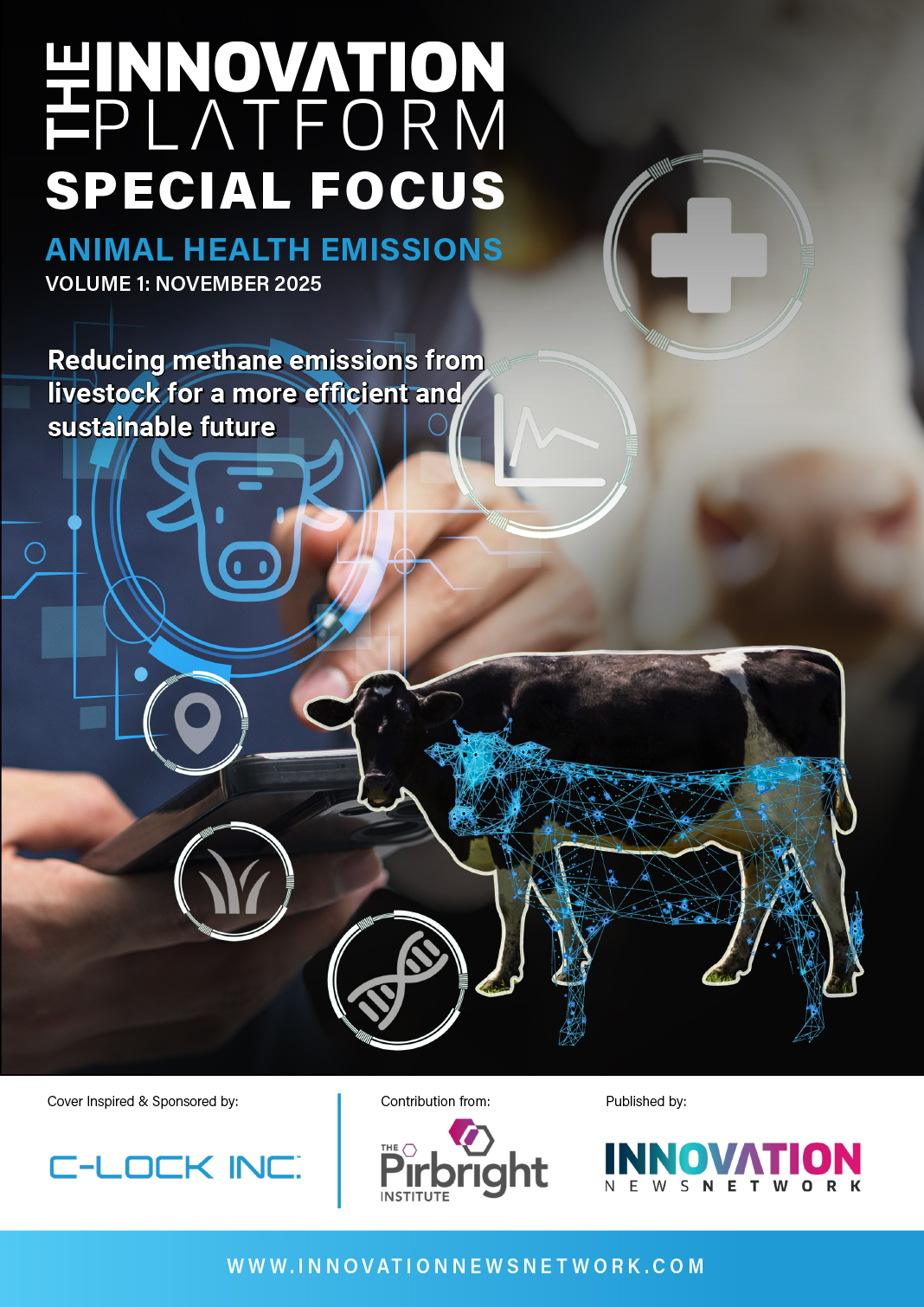
This special focus publication explores how methane emissions can be reduced to help the livestock industry achieve better efficiency, sustainability, and profitability.
Measuring feed intake to enhance livestock efficiency
New technologies are poised to revolutionise the way livestock producers measure and manage methane emissions, enhancing sustainability and efficiency.
C-Lock’s GreenFeed and SmartFeed technologies enable accurate, real-world measurement of methane, providing researchers, producers, and agribusinesses with reliable, real-world data.
GreenFeed captures and quantifies emissions from individual animals by drawing them to a feeding station, providing standardised, comparable data across farms and countries. SmartFeed complements this by tracking individual feed intake using RFID and load-cell technology, allowing producers to monitor nutrition, detect health issues, and improve efficiency.
Together, they provide a comprehensive understanding of animal inputs and outputs, which is essential for reducing methane emissions, improving feed efficiency, and promoting sustainable livestock production.
Revolutionary vaccine could limit methane-producing microbes in livestock
The Pirbright Institute is pioneering the development of a methane vaccine aimed at reducing greenhouse gas emissions from livestock while maintaining food security.
Supported by a $9.4m grant from the Bezos Earth Fund and overseen by the Global Methane Hub, the initiative aims to develop a proof-of-concept vaccine that limits the growth of methane-producing microbes in cattle and sheep.
In collaboration with AgResearch and other partners, the project represents a bold, high-risk but potentially transformative approach to combating climate change through science-driven, global cooperation.
Achieving a more sustainable food system by 2030
Recognising this urgency, the Global Methane Pledge and various national initiatives, including the 2030 Methane Reduction Strategy, aim to cut global methane emissions by at least 30% from 2020 levels by 2030.
This strategy emphasises innovation in feed additives, manure management systems, and sustainable livestock practices, while encouraging international cooperation and financial support for research and implementation.
Achieving these reductions will require collaboration across governments, industries, and consumers, but success would mark a critical step toward stabilising the climate and ensuring a more sustainable global food system.