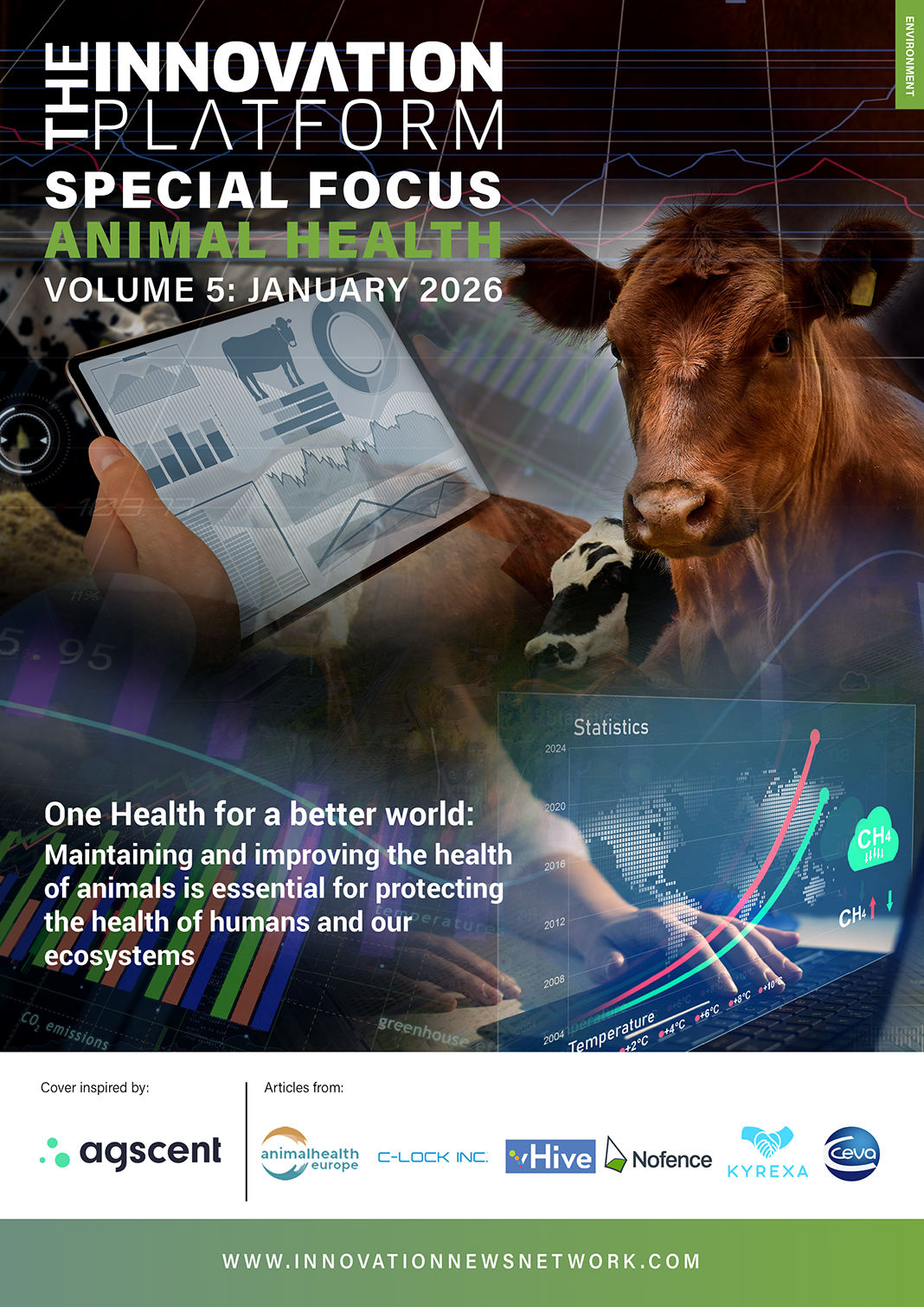
Welcome to our special focus publication on Animal Health, which dives into how the One Health approach recognises that the health of animals also significantly impacts the health of humans and our ecosystems.
Animal, human, and plant health are interdependent – human activities play a key role in shaping the health of animals and the environment, and animal and environmental health also greatly impacts human health. Poor animal health can lead to productivity losses, increased costs, food insecurity, and higher environmental footprints, while good health can accelerate efficiency and sustainability. Within this special focus edition on animal health, we will explore various aspects of animal health that are vital to improving outcomes for all.
Animal health is a foundational pillar of sustainable systems. Prioritising animal health can help to boost food security, reduce emissions, and increase production efficiency. Leading the publication, AnimalhealthEurope reflects on the findings from its recent report on animal health and sustainability, investigating the impact of investment in animal health for a greener planet and more secure food system.
Innovation plays a key role in improving animal health, with technologies enabling benefits such as earlier detection, more precise and effective treatment for diseases, and livestock tracking. The Veterinary Health Innovation Engine (vHive) is a strategic partnership between the University of Surrey and the largest global animal health company, Zoetis. It employs a multidisciplinary approach that focuses on data-driven innovation in the animal health sector. Within this issue, vHive shared more about their work and focuses to accelerate innovation in animal health.
Zoonotic diseases (zoonoses) – infections naturally spread between animals and humans – pose serious global health challenges with major social and economic implications. Avian influenza (bird flu) is a zoonotic disease causing increasing concern as cases continue to rise at a significant rate. Avian influenza threatens poultry production, food security, and even poses a potential risk to human health. In conversation with The Innovation Platform, Ceva Animal Health emphasised why vaccinations are so important in tackling the increasing threat of avian influenza.
Reflecting on the contributions within this edition, one clear lesson emerges: investing in animal health is both a preventative and strategic action, reducing long-term costs, emissions, and risks while improving productivity and food security. We hope that this edition offers guidance and inspiration for all those working within and impacted by the animal health sector.