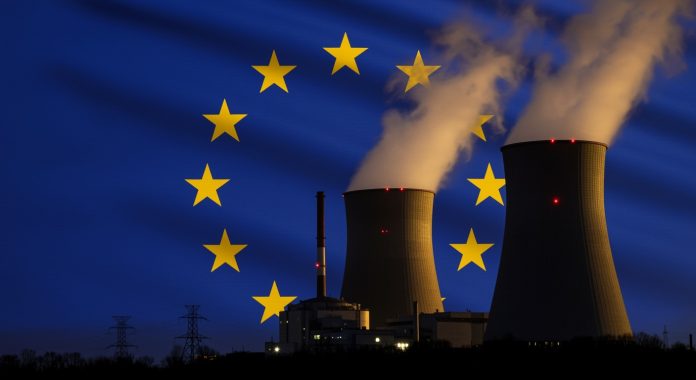
The European Commission has released the eighth edition of its Nuclear Illustrative Programme (PINC), outlining a bold vision for the future of EU nuclear energy.
The report estimates that approximately €241bn will be required by 2050 to support the extension of existing nuclear reactor lifetimes and the construction of new large-scale nuclear plants.
This substantial investment underscores nuclear power’s critical role in achieving a decarbonised, resilient, and competitive European energy system.
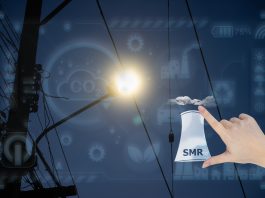
The investment plan includes additional funding for next-generation technologies such as Small Modular Reactors (SMRs), Advanced Modular Reactors (AMRs), microreactors, and long-term fusion energy.
These innovations are expected to significantly enhance flexibility, reduce costs, and strengthen Europe’s energy independence.
Strategic role of nuclear energy in Europe’s decarbonisation path
Nuclear energy is viewed by many EU Member States as essential to achieving climate neutrality, improving industrial competitiveness, and ensuring energy security.
According to the Commission, over 90% of the EU’s electricity mix is projected to come from decarbonised sources by 2040, with nuclear power playing a vital role alongside renewables.
Currently, nuclear-installed capacity across the EU is expected to rise from 98 GWe in 2025 to approximately 109 GWe by 2050.
This moderate but crucial increase will help stabilise the energy grid, especially as intermittent renewable sources like wind and solar take on a larger share of electricity generation.
Strengthening Europe’s global nuclear leadership
Maintaining and expanding EU nuclear energy leadership is a central priority of the PINC strategy. Ensuring top-tier safety standards, robust security frameworks, and effective radioactive waste management remains paramount.
The programme emphasises the need for investment in long-term waste disposal solutions and streamlined decommissioning procedures to support sustainable growth.
The Commission also highlights the importance of international collaboration with reliable partners to secure a diversified fuel supply and prevent dependency on single sources.
Closer cooperation among national nuclear regulators is expected to accelerate the licensing of innovative technologies.
Dan Jørgensen, EU Commissioner for Energy and Housing, commented: “To truly deliver the clean energy transition, we need all zero- and low-carbon energy solutions. Nuclear energy has a role to play in building a resilient and cleaner energy system.
“Ensuring the necessary framework conditions will allow the EU to keep its industrial leadership in this sector while also upholding the highest safety standards and responsible management of radioactive waste.”
Boosting innovation and workforce skills
A critical pillar of the PINC roadmap is nurturing a future-ready nuclear workforce. The strategy calls for upskilling current professionals, attracting young talent, and supporting nuclear-focused start-ups.
These efforts aim to spur innovation and bring cutting-edge technologies like SMRs, AMRs, and fusion energy to commercial viability.
By fostering research, development, and early market adoption, the EU hopes to position itself at the forefront of the global nuclear energy revolution.
The Commission will finalise the PINC after consulting the European Economic and Social Committee.
The document will be discussed further with EU Member States during the Energy Council meeting on 16 June 2025 in Luxembourg, shaping the next chapter of Europe’s nuclear energy policy.
The case for EU nuclear development
Increasing investment and support for EU nuclear energy is not just an environmental necessity – it is a strategic imperative.
Nuclear energy provides stable, low-carbon electricity and helps balance the variability of renewable sources. In times of geopolitical uncertainty, it also offers greater energy sovereignty.
As Europe pushes toward climate neutrality, nuclear energy can bridge the gap between today’s fossil-dependent system and tomorrow’s green future.
With clear policies, robust safety standards, and sustained investment, nuclear power can become a cornerstone of Europe’s clean energy transformation.