


Innovation News Network brings you the latest research and innovation news from the fields of science, environment, energy, critical raw materials, technology, and electric vehicles.
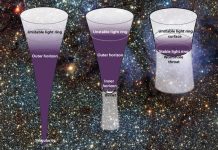
Looking beyond the singularity of black holes
Can we get definitive answers about the nature of singularities in black holes? A new research study aims to discover more.
Infrasound sensors enhance space debris tracking
Learn how scientists are using infrasound technology to better detect and predict where space debris will land, improving global safety.

Cancer 360: New UK tech set to speed up cancer diagnosis
Cancer 360 brings all data into one central system so clinicians can prioritise those most in need and speed up cancer diagnosis.
European drought crisis escalates amid heat and low rainfall, says JRC
European drought is intensifying in 2025, with shrinking rivers, dry soils, and rising temperatures threatening the continent. Find out more.

Navigating the future: Automotive roadmaps for zero-emission vehicles
Advanced Propulsion Centre UK highlight advancements in clean-propulsion technologies and updates to its automotive technology roadmaps.
The AI Office: Pioneering ethical AI implementation and fostering innovation across the EU
The European Commission’s AI Office plays an integral role in implementing the AI Act, promoting ethical AI use, and supporting innovation.

Transforming Particle Physics: CERN’s Efficient Particle Accelerator project is redefining performance and sustainability
CERN outlines the Efficient Particle Accelerator Project's objectives and the innovative strategies being used to achieve its goals.
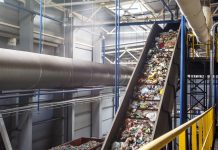
New report reveals Europe is leading the charge in plastic waste management
In the past three decades, there has been a surge in inventions to recover and recycle plastic waste, advancing a more circular economy.
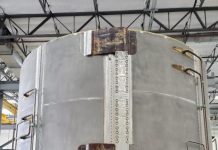
ITER reactor reaches key milestone with completion of superconducting magnet system
ITER achieves a major milestone with the completion of its powerful superconducting magnet system, advancing the pursuit of fusion energy.
Global study shows countries can reduce antibiotic resistance individually
While global cooperation remains essential, countries have the power to reduce antibiotic resistance through effective domestic interventions.