


Innovation News Network brings you the latest research and innovation news from the fields of science, environment, energy, critical raw materials, technology, and electric vehicles.
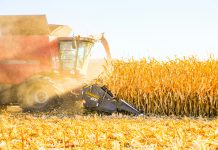
How post-harvest innovation strengthens global food security
Jack Shaw, Senior Editor at Modded, explores the post-harvest innovations boosting food security, revenue, and sustainability.
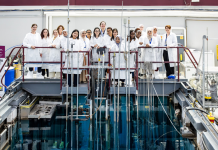
McMaster University is training the next generation of nuclear professionals
Learn how McMaster University is training the nuclear engineers, scientists, and healthcare leaders of tomorrow.

Ending ‘forever chemicals’: How Invicta Water is scaling PFAS destruction technology across the Carolinas...
Invicta Water discusses its pioneering technology to eliminate PFAS contamination across various water sources.

How automation transforms the chaotic world of e-commerce
Ellie Gabel discusses how retailers are using automation, strategic partnerships, and fraud-prevention technologies to streamline e-commerce.
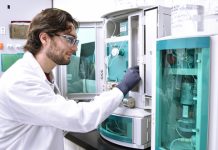
Eurofins Medical Device Services launches first PFAS testing solutions for medical devices
Eurofins is setting new standards with groundbreaking GMP PFAS testing and advanced PFAS risk assessments for medical devices.
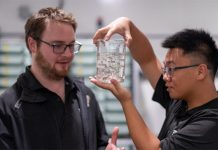
The Department of Animal Biosciences: A global leader in research and education on agricultural...
The Department of Animal Biosciences underpins the ethical and sustainable production of animal products and care of companion animals.
ELEXIA: Energy systems integration across multiple energy carriers, infrastructure and end-use sectors
ELEXIA develops and demonstrates tools for planning and managing integrated energy systems across vectors and sectors.

Niagara College leads research in healthy ageing and wellness
Niagara Canada is transforming health and wellness research into real-world impact and building global partnerships for the future.
Agricultural waste keeps forever chemicals out of food crops, research finds
Iron-fortified hemp biochar can significantly reduce the amount of forever chemicals that move from contaminated soil into food crops.
Positioning Europe as a key hub for life sciences
Explore the Strategy for European Life Sciences and its aims to accelerate Europe’s leadership in the life sciences sector.