


Innovation News Network brings you the latest research and innovation news from the fields of science, environment, energy, critical raw materials, technology, and electric vehicles.

Keeping clothes in circulation: How EU research is transforming textile waste
EU-funded research is helping to turn old clothes into quality products, aiming to reduce textile waste and make recycled textiles the norm.
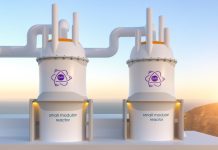
Anglesey to host UK’s first small modular reactors
UK’s first small modular reactors at Wylfa will create thousands of jobs, boost clean energy, and position Anglesey as a hub nuclear power.

Beyond the surface: How plasma technology is reshaping textiles
Cold plasma technology is revolutionising textile manufacturing by offering sustainable surface modifications.

Recyclable cellulose coatings for sustainable packaging
Films for Future (F3) project seeks to end packaging waste with sustainable cellulose-based coatings. Find out more
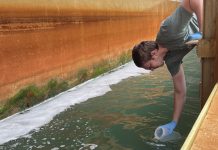
Investigating AMR in wastewater
Dr Amy Pruden and her team emphasise using wastewater surveillance to link antibiotic prescriptions to resistance genes.

EPA proposes smarter PFAS reporting rules to ease industry burden
EPA proposes streamlined PFAS reporting to reduce industry burdens while ensuring vital data collection on environmental and health impacts.
Millennials at highest risk of missing cervical cancer screening, study finds
31% of eligible millennials have postponed or missed their cervical cancer screening appointments – 27% higher than average.
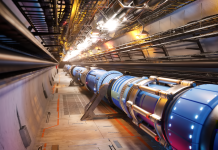
CERN Council endorses next step for the Future Circular Collider
CERN advances plans for the Future Circular Collider, a next-generation particle accelerator set to succeed the LHC.

AI and the fight against money laundering: When algorithms chase shadows
Dr Martin Lukavec, Senior Lecturer at London School of Business and Finance, explores how AI can trace money laundering activities.

Superbugs and conflict: Ukraine’s struggle is Europe’s warning
Henry Skinner, PhD, CEO of the AMR Action Fund, reflects on how Russia’s invasion of Ukraine has exacerbated the issue of AMR.