


Innovation News Network brings you the latest research and innovation news from the fields of science, environment, energy, critical raw materials, technology, and electric vehicles.

Beyond the password: How biometrics are redefining personal security
As digital security concerns mount, the shift from traditional passwords to biometric authentication methods is gaining momentum.

The virtual ward revolution: Can remote care keep patients out of hospital?
Remote care aims to foster independence while potentially lowering hospital admissions. Discover more here.

How the North East plans to become the UK’s next space powerhouse
North East Space Strategy outlines an ambitious plan to make the region a leading UK hub for space innovation, jobs, and investment.
New research highlights gender disparities in sepsis treatment
New research has highlighted gender disparities shaping antibiotic dosing, therapeutic effectiveness, and outcomes in sepsis treatment.

Single-use plastics designed to reduce food waste are harming the planet
Mounting plastic waste could disrupt ecosystems, negatively affect food security, and cause health issues in people.
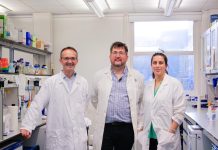
Warwick antibiotic discovery offers new hope against drug-resistant bacteria
University of Warwick and Monash University have uncovered a powerful new antibiotic, offering fresh hope against drug-resistant bacteria.

Sellafield’s radioactive waste cleanup reaches major milestone
Sellafield teams have successfully removed 70 tonnes of radioactive waste from the Magnox Swarf Storage Silo. Discover more here.

£2m project launches to tackle PFAS in rivers across the UK
£2m UK project investigates PFAS in rivers, starting with the Thames, to uncover how forever chemicals impact ecosystems and health.

START drives EU innovation in tellurium-free thermoelectric materials
The START project drives EU innovation in thermoelectric materials, pioneering tellurium-free tetrahedrite materials from mining waste.
Sentinel Water Solutions accelerates Perkasie’s path to PFAS-free drinking water
Sentinel Water Solutions and Perkasie Regional Authority have fast-tracked PFAS-free drinking water delivery with a pre-loaded, fully integrated Mobicon GAC treatment system installed ahead of schedule.