


Innovation News Network brings you the latest research and innovation news from the fields of science, environment, energy, critical raw materials, technology, and electric vehicles.

Revolutionising technology: Wisematic’s role in advancing chip and wafer technologies
The Innovation Platform spoke to Wisematic to discuss the company’s core objectives and its contributions to chip and wafer technologies.
PROJECT H2SHIFT: Supporting innovation in hydrogen production through open innovation
Highly specialised facilities support services provide a comprehensive portfolio of resources for hydrogen start-ups and companies.
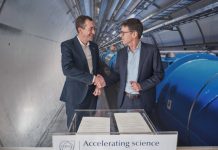
CERN and F4E join forces to advance fusion energy development
CERN and F4E have signed a major agreement to accelerate fusion energy, superconducting magnets, and advanced scientific technologies.

NYUAD AI Breakthrough offers new hope in forecasting solar winds
Discover how NYUAD's AI model forecasts solar winds with unprecedented accuracy, helping protect satellites and power grids.

UK secures £30bn US investment in North East AI Growth Zone
The North East’s new AI Growth Zone will create 5,000 jobs and attract £30bn investment, making the region a leading hub for AI.

Can vertical farms secure the UK’s food future sustainably?
Vertical farms promise higher yields, but research shows their carbon footprint challenges sustainability in UK food security.

Canada’s Horizon Europe roadshow: Taking innovation on the road
Learn how ISED’s Horizon Europe roadshow equips researchers across Canada with the knowledge and tools to pursue international research.
BATRAW Project: Building Europe’s battery recycling future
BATRAW develops advanced pilot technologies to optimise EV battery dismantling, material recovery, and lifecycle traceability.
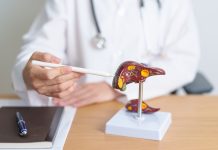
USC study uncovers how PFAS damages human liver cells
New research reveals how PFAS chemicals disrupt human liver cells, causing fat buildup, immune interference, and cancer-related changes.
They’re called ‘forever chemicals’ for a reason....

TRUTHS mission: Building the world’s first metrology laboratory in space
NPL's Nigel Fox discusses the climate-focused TRUTHS mission, including its achievements so far and the benefits it will deliver.