


Innovation News Network brings you the latest research and innovation news from the fields of science, environment, energy, critical raw materials, technology, and electric vehicles.

Revolutionising research towards a sustainable future with circular economy: A tale of two institutes
A multi-disciplinary synergy at UBC Okanagan is making impacts towards building a greener, circular economy.
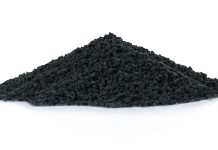
PFAS group chemicals – Search, Capture & Destroy
Puragen’s technology removes and destroys PFAS group chemicals based on activated carbon purification and advanced thermal reactivation.

University of Exeter study highlights importance of Marine Protected Areas
Large ocean animals can be protected throughout much of their lifecycle by huge Marine Protected Areas, according to new research.
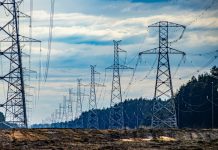
US transmission grid upgrades crucial to realising EV transition, says Northwestern University
Upgrading the US transmission grid is essential to fully realise the climate benefits of widespread electric vehicle adoption, study says.

PFAS in firefighting foams: Understanding the latest regulatory changes
Overview of the latest UK and global regulatory changes on PFAS in firefighting foam, their risks, and the transition to safer alternatives.

Invicta Water’s pilot plant successfully removes PFAS from Jordan Lake
Invicta Water’s Jordan Lake pilot has treated 11 million gallons of water, claiming to erase PFAS with no toxic waste.
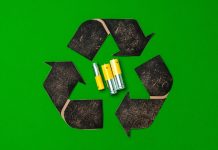
How Cirba Solutions can help your business meet battery EPR regulations
Cirba Solutions leads the way in helping companies navigate evolving battery EPR regulations with comprehensive solutions.

RSRI: Eager beavers for building collaborative innovation projects with Québec
Sébastien Garbarino from RSRI Québec explains how Industrial Research Sector Groups help to accelerate collaborative innovation in Québec.
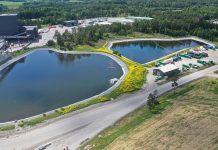
The final frontier: Removing ultra-short and short-chain PFAS from complex water streams
Find out how SELPAXT’s innovative surfactant-ligand assisted membrane filtration (SAMF) is transforming the PFAS treatment landscape.
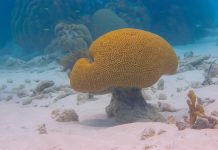
Brazilian brain coral retains high levels of carbon, research finds
The amount of carbon that brain coral produces and retains is equivalent to the carbon emissions from burning 324,000 litres of gasoline.