Helium plays a critical role in semiconductor manufacturing, influencing both the quality and efficiency of chip production.
Its unique properties, including chemical inertness and low thermal conductivity, contribute to maintaining optimal fabrication conditions. However, the industry faces significant challenges related to helium supply.

This situation raises important questions about the future of semiconductor technology and the potential consequences for innovation and competitiveness. What strategies will the industry adopt to address these pressing concerns?
A critical element in chip fabrication: Why helium matters
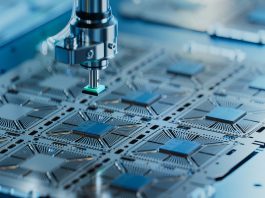
Although often overlooked, helium plays a crucial role in semiconductor manufacturing, particularly in the intricate process of chip fabrication. This noble gas is essential for maintaining optimal conditions during various stages of production.
In the lithography process, helium is used to create a stable vacuum environment, ensuring precise alignment and exposure of photomasks. Additionally, helium helps in cooling semiconductor materials, reducing thermal stress that could impact the integrity of the chips.
Its low density and inert nature make it an ideal carrier gas, facilitating the transport of materials without contamination. Furthermore, helium’s ability to prevent oxidation during etching processes enhances the overall quality and performance of semiconductor devices.
Thus, helium is a vital component in achieving high-yield and reliable chip manufacturing.
Helium’s unique properties and impact on manufacturing precision
Helium’s distinct characteristics significantly enhance manufacturing precision in semiconductor fabrication.
As a noble gas, helium is chemically inert, which minimises the risk of contamination during production processes. Its low thermal conductivity allows for precise temperature control, crucial for maintaining optimal conditions during chip fabrication.
Additionally, helium’s lightweight and small atomic size facilitate its use in creating ultra-clean environments, essential for the delicate processes involved in semiconductor manufacturing. This unique combination of properties enables manufacturers to achieve tighter tolerances and greater accuracy in circuit designs.
Furthermore, helium’s ability to diffuse quickly through materials enhances the effectiveness of various techniques, thereby supporting the overall advancement of semiconductor technology.
These factors collectively underscore helium’s indispensable role in achieving high manufacturing precision.
Cooling, purging, and plasma control
When it comes to semiconductor fabrication, helium plays a critical role in cooling, purging, and plasma control processes. Its low boiling point enables efficient cooling of equipment, preventing overheating during intricate fabrication steps.
Helium’s inert nature ensures that it does not react with chemicals used in manufacturing, making it an ideal purging gas. This purging action removes contaminants and moisture, maintaining optimal conditions for chip production.
Additionally, helium is vital in plasma control, where it helps stabilise and enhance plasma processes essential for etching and deposition.
By providing a controlled environment, helium contributes to the precision and reliability of semiconductor manufacturing, ensuring that advanced technologies can be developed and produced with high accuracy.
Protecting chip integrity
In semiconductor manufacturing, maintaining ultra-clean environments is vital for protecting chip integrity. Contaminants such as dust, moisture, and chemical residues can severely compromise the performance of semiconductor devices.
Helium, due to its inert properties, plays a crucial role in achieving and sustaining these ultra-clean conditions. It is often utilised in gas purging processes to displace contaminants and maintain the purity of the atmosphere within fabrication facilities.
Additionally, helium serves as a carrier gas in various processes, ensuring that reactive gases do not interact with unwanted impurities. By minimising contamination risks, helium significantly enhances the reliability and longevity of semiconductor components, ultimately improving the overall quality of electronic products in an increasingly demanding market.
Global helium supply challenges and implications for the semiconductor industry
As the demand for semiconductors continues to surge, the challenges surrounding global helium supply have become increasingly pronounced.
The limited availability of helium is primarily due to the decline of natural gas fields that produce it as a byproduct, exacerbated by geopolitical tensions and economic factors affecting extraction and distribution.
These challenges pose serious implications for the semiconductor industry, potentially leading to increased production costs and delays in manufacturing timelines. Companies reliant on helium for critical processes may find themselves at a competitive disadvantage, prompting a need for strategic planning and sourcing alternatives as the industry navigates these supply hurdles.
Innovations and alternatives: How the industry is preparing for the future
Amidst the challenges posed by helium supply constraints, the semiconductor industry is actively exploring innovations and alternatives to mitigate risks associated with this critical resource.
Companies are investing in research to develop new materials and processes that reduce reliance on helium. For instance, advancements in plasma etching techniques and the adoption of alternative gases are gaining traction.
Additionally, some firms are exploring recycling methods to reclaim helium used during manufacturing, thus extending its lifecycle. Collaborative efforts with helium suppliers aim to secure long-term contracts and improve supply chain resilience.
These initiatives not only address immediate concerns but also position the semiconductor sector to thrive in a future where helium availability may be increasingly uncertain.
In conclusion, helium’s unique properties make it indispensable to semiconductor manufacturing, ensuring precision and maintaining the integrity of chip fabrication processes.
As global supply challenges threaten this critical resource, the industry must prioritise securing helium to sustain innovation and competitiveness.
Exploring alternative solutions and innovative practices will be crucial for addressing these supply issues, ensuring that semiconductor technology continues to advance in the face of rising demand and evolving manufacturing complexities.