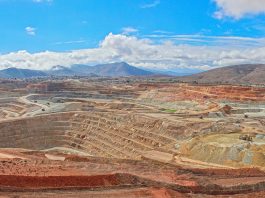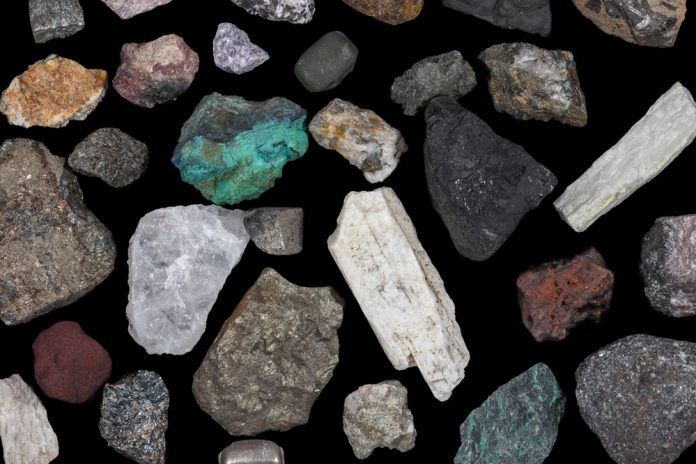
As the world accelerates its transition to clean energy and advanced technologies, critical minerals such as lithium, cobalt, and rare earth elements have emerged as essential enablers.
These minerals power the batteries in electric vehicles, enable renewable energy systems, and form the backbone of high-tech and defence applications. In this evolving global landscape, Australia is strategically poised to become a major player in meeting the rising demand for these resources.
With abundant reserves, a stable regulatory environment, and increasing government and private investment, Australia is building the foundation to become a leading, long-term supplier in global critical mineral supply chains. Its position is strengthened by world-class exploration programmes, advanced research, and a growing commitment to processing minerals domestically to capture more economic value.
A resource-rich nation with global potential
Although Australia currently contributes a relatively small portion of global rare earth element production, it holds the world’s third-largest reserves of these essential materials. This places the country in a prime position to expand its role as global demand for rare earths and other critical minerals continues to grow.
Forecasts suggest that demand for essential minerals will increase sixfold over the next two decades, potentially creating an economic opportunity valued at AUD$17.6 trillion. Recognising this, the Australian government has intensified efforts to unlock new mineral resources, increase exploration activities, and build national capacity. This includes the establishment of the Australian Critical Minerals Research and Development Hub, which is central to developing advanced extraction and processing technologies to support the sector’s growth.
Strengthening exploration and mapping capabilities
Australia’s commitment to systematic exploration is demonstrated through initiatives like the national quartz prospectivity map, which helps identify and assess mineral-rich regions across the country. These efforts are crucial in turning Australia’s untapped geological potential into economically viable projects.
By investing in modern mapping and mineral detection technologies, the government and private sector aim to reduce exploration risks and uncover new resources that can feed into critical supply chains. These exploration programmes are supported by close collaborations between industry, research institutions, and federal agencies, ensuring that Australia remains at the forefront of mineral discovery and development.
Australia’s position in the global export market
Australia is already a major exporter of several critical minerals and continues to strengthen its global market position. Most notably, it is the world’s largest producer of lithium, accounting for approximately 50% of global production in 2020. Lithium is essential to battery technologies, which are key to powering electric vehicles and storing renewable energy.
In addition to lithium, Australia ranks fourth in cobalt production, playing a vital role in energy storage and electric vehicle battery development. The country is also the third-largest producer of rare earth elements, which are indispensable in the manufacturing of advanced electronics, clean energy technologies, and defence systems.
These rankings not only reflect Australia’s natural advantages but also underscore its growing role as a trusted and stable supplier in an increasingly fragmented and geopolitically sensitive global market.
Government strategy and policy support
To unlock the full value of its critical mineral resources, the Australian government has developed a comprehensive Critical Minerals Strategy aimed at generating $139.7bn in GDP by 2040. This strategy focuses not only on extraction but also on building a complete value chain – from exploration and processing to export and innovation.
A central element of this plan is expanding domestic downstream processing capacity, enabling Australia to refine and manufacture more mineral-based products locally. This approach captures more value domestically and reduces reliance on international processing hubs, particularly in regions where supply chains are vulnerable to disruption.
In addition, the government is investing in infrastructure development, particularly in remote mineral-rich areas. These projects aim to overcome longstanding logistical barriers and make previously inaccessible resources commercially viable.
Financial and commercial incentives
To attract private investment and reduce the risks associated with developing new mineral projects, Australia has introduced several financial support mechanisms. The Future Made in Australia Investment Framework provides targeted funding to help early-stage critical minerals ventures become investment-ready.
In tandem, the government is exploring the use of national offtake agreements and selective stockpiling strategies to enhance market stability and provide greater certainty to producers. These measures help to mitigate market volatility and attract long-term international buyers, further enhancing Australia’s reputation as a dependable supplier.
Enhancing Australia’s role in global supply chains
To truly capitalise on its critical mineral potential, Australia must continue to expand its footprint across the entire supply chain. Increasing domestic processing capabilities will help Australia retain more economic benefits and reduce vulnerability to foreign-controlled refineries.
At the international level, forming strategic partnerships and ally-shoring agreements with like-minded nations will be key to securing investment, sharing risk, and building resilient supply networks. These alliances ensure stable demand for Australian minerals while strengthening collective energy and technological security.
Australia’s National Reconstruction Fund also plays a role in fostering innovation and value-adding industries. By supporting early-stage projects and emerging technologies, this fund helps create a robust and future-ready pipeline of mineral processing and manufacturing capabilities.
A strategic future in the global energy transition
With its vast reserves, robust policy support, and growing infrastructure, Australia is well-positioned to play a central role in the global shift toward sustainable energy and technology. The country is moving beyond being a raw material exporter to become an integrated and indispensable partner in international critical mineral supply chains.
As demand continues to grow over the next two decades, Australia’s ability to meet global needs while ensuring long-term economic and strategic benefits will depend on its commitment to innovation, investment, and international cooperation. With the right approach, Australia can not only meet but help shape the future of global critical mineral supply.