The UK has taken a major step forward in the fight against antibiotic-resistant infections by releasing its first official guidance for the development and use of phage therapies.
Published by the Medicines and Healthcare products Regulatory Agency (MHRA), the document outlines how researchers and pharmaceutical companies can safely bring these virus-based treatments to patients.
Commenting on the transformative guidance, Lawrence Tallon, MHRA Chief Executive, said: “Some infections are becoming harder to treat when antibiotics are ineffective against them – and patients urgently need new options.
“Phage therapy is one of several promising approaches. This guidance brings together relevant standards to provide clarity for researchers and companies so they can develop these treatments safely and bring them to the people who need them.
“We’re committed to working with industry to support innovation in this space – without compromising on the robust safety and quality standards that patients rightly expect. It’s part of our wider mission to support innovation and make the UK a world leader in life sciences.”
What are phage therapies?
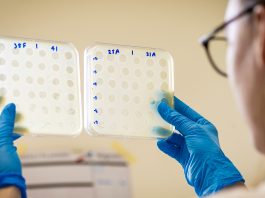
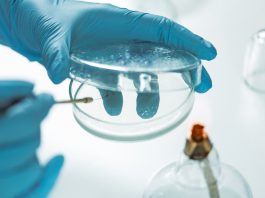
Phage therapies use bacteriophages – viruses that target and destroy specific bacteria – offering a powerful alternative when antibiotics fail.
Unlike broad-spectrum antibiotics, phages act with precision, leaving human cells and beneficial bacteria unharmed.
With more than 60,000 serious antibiotic-resistant infections occurring annually in the UK, interest in these tailored therapies is rapidly growing.
Personalised and combined phage treatments
The MHRA’s guidance addresses two major approaches: personalised phage therapies for patients with rare or drug-resistant infections and combined phage products intended for more common bacterial threats.
These treatments could prove life-saving when standard antibiotics are ineffective or unsuitable, such as in cases involving allergies.
Though a handful of UK patients have already received phage treatment under compassionate use with imported products, there are currently no licensed phage therapies on the UK market. This guidance marks a critical move toward changing that landscape.
Clear roadmap for developers
The 28-page publication provides practical, step-by-step advice covering every stage of phage therapy development – from early research to clinical use.
It details regulatory expectations for clinical trial evidence, manufacturing standards under Good Manufacturing Practice (GMP), and pathways for personalised treatments.
Crucially, it also explains how unlicensed therapies can be administered on a case-by-case basis under a clinician’s oversight.
Dr Colin Brown, deputy director at the UK Health Security Agency, responsible for AMR, added: “MHRA’s new guidance helps lay the foundations for phage therapy opportunities in the UK. It provides much-needed direction for scientists and researchers working to make this treatment a reality for patients.
“Phage therapy truly has the potential to transform the way we treat bacterial infections, especially as resistance to antibiotics grows. At UKHSA, we’re developing new ways to help increase phage therapy use and research, including a bacteriophage collection where scientists can both access and deposit phages.
“In time, we hope solutions like phage therapy can become a first-line treatment option.”
Supporting innovation and public health
This initiative supports the UK’s 2024–2029 National Action Plan against antimicrobial resistance (AMR) and reflects the MHRA’s commitment to enabling innovative, science-led healthcare solutions.
Developed in collaboration with the Phage Innovation Network and other key stakeholders, the guidance is expected to accelerate the availability of phage-based medicines while maintaining rigorous safety and quality standards.
Developers interested in bacteriophage treatments can now seek scientific advice directly from the MHRA at any development stage, paving the way for new breakthroughs in infection control.