In a move hailed by the RSPCA as a potential breakthrough for animal welfare, the UK Government has announced it will consider mandatory methods of production labelling on animal products.
The long-awaited response from DEFRA follows more than a year of public pressure and campaigning and signals a growing recognition of the need for greater transparency in the food system.
The announcement comes after an extensive consultation, where an overwhelming 99% of individuals and a majority of organisations backed clearer labels showing how animals are raised.
The RSPCA, which has long championed transparent food labelling through its #BetterLabelsBetterChoices campaign, says the proposed reforms could give consumers the power to make informed choices and support higher-welfare farming practices.
With the government’s wider food and animal welfare strategies expected this summer, the RSPCA is urging policymakers to act swiftly and expand the scope of the changes to cover all animal products.
David Bowles, Head of Public Affairs at the RSPCA, commented: “The public wants to know where their food comes from, so we’re incredibly pleased to see the UK Government publishing the outcome of this vital consultation.
“This brings us one step closer to giving the public the information they need to make informed choices about what they eat.
“This legislative change has the potential to drive up animal welfare further as consumers are given the opportunity to vote with their wallets to ensure farmed animals have better lives.”
Overwhelming public support sparks action
The consultation, which concluded over a year ago, showed near-universal public backing for clearer labelling, with 99% of individual respondents and 69% of organisations in favour.
This support surged to 86% among organisations when the proposal included imported animal products alongside those produced domestically. Despite the delay in releasing the findings, the recent publication of the results offers renewed hope for reform.
This development follows sustained pressure from the RSPCA and supporters of its #BetterLabelsBetterChoices campaign, which called on the government to release the outcome and take decisive action.
Over 20,000 individuals supported the campaign, underlining widespread concern about the lack of transparency in the current system.
Animal product labelling gaps
Currently, the UK does not mandate labelling that discloses how animals used in food production are reared, with most consumers relying on voluntary schemes like RSPCA Assured.
This has created a fragmented and often unclear system, making it difficult for shoppers to make informed ethical choices.
The issue has taken on new urgency in light of recent international trade deals with countries such as the US and India – nations where farming practices that are illegal in the UK remain widespread.
There are growing concerns that lower welfare imports could soon make their way onto British supermarket shelves, undercutting local farmers and potentially compromising consumer expectations around animal welfare.
A step toward informed consumer choices
The UK Government has acknowledged the strong consensus behind the method of production labelling and confirmed that it will consider these findings as part of its broader food and animal welfare strategies, which are expected to be released this summer.
The RSPCA hopes this milestone could usher in a transformative period for both animal welfare standards and food transparency in the UK.
Importantly, DEFRA has indicated it is working in collaboration with devolved governments, raising the possibility of UK-wide implementation.
This cooperative approach could help create a consistent labelling standard across all nations, ensuring clarity and fairness for producers and consumers alike.
Expanding the scope for greater impact
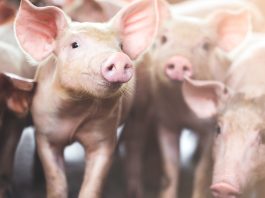
While the current consultation focused primarily on pork, chicken, and eggs, animal welfare advocates are calling for a broader application of these reforms.
The RSPCA is urging the government to extend mandatory labelling to all animal products, including fish, dairy, and other meats, to provide comprehensive transparency and support high-welfare British farmers across sectors.
As the UK food strategy nears publication, campaigners hope the government will take decisive action to introduce mandatory methods of production labelling- making it easier for shoppers to choose animal products aligned with their ethical values.
Informed choices begin with clear labels. And for animal welfare, that could make all the difference.