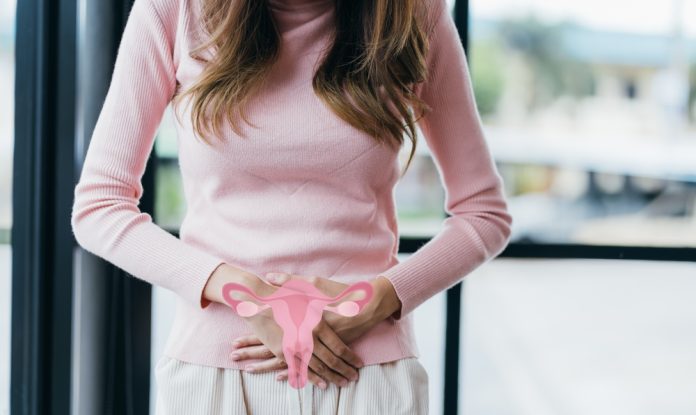
Those who haven’t come forward for vital health checks will be offered home testing for cervical cancer as part of the upcoming UK 10 Year Health Plan.
The groundbreaking initiative aims to revolutionise cervical cancer prevention rates by tackling deeply entrenched barriers that keep some women away from potentially life-saving screenings, including a fear of discomfort, embarrassment, cultural sensitivities and the struggle to find time for medical appointments.
Women who have rarely or have never attended their cervical screening will be offered a self-sample kit to complete at home. They are then sent out in discreet packaging and returned via pre-paid mail in the local post box.
In-person testing for cervical cancer falls short of government targets
Participation in cervical cancer screening currently sits at just 68.8%, well below the NHS England target of 80%. This means over 5 million women in England are not up to date with their routine check-up.
However, experts believe that this targeted approach for cervical cancer testing could increase participation in the screening programme, which saves approximately 5,000 lives a year across England.
The initiative is part of the UK Government’s upcoming 10 Year Health Plan – due to be published in the coming weeks – which sets out how the government plans to tackle the challenges facing the health service and build an NHS that is fit for the future by doing more to prevent ill health.
Health and Social Care Secretary Wes Streeting said: “These self-sampling kits represent healthcare that works around people’s lives, not the other way around. They put women firmly in control of their own health, ensuring we catch more cancers at their earliest, most treatable stages.”
Privacy and convenience for those missing vital screenings
The new kits, which detect human papillomavirus (HPV), a group of viruses that can lead to cervical cancer, allow women to carry out testing for cervical cancer in the privacy and convenience of their own homes.
The programme specifically targets those groups consistently missing vital appointments, with younger women, ethnic minority communities facing cultural hurdles, people with a disability and LGBT+ people all set to benefit.
Anyone testing positive for HPV through self-sampling will be encouraged to attend a clinician-taken follow-up cervical screening test to check for cervical cell changes.
“There are a number of reasons that stop some women taking up the offer of screening, and we hope the introduction of self-testing will encourage more women to take up this life-saving test in a way that works for them,” explained Michelle Kane, NHS Director of Screening.
“I’d encourage anyone who gets an invite for a cervical screening, either from their local GP practice or the NHS App, to attend, and if you have any worrying symptoms, please contact your GP. It could save your life.”
Cervical cancer screening set to become more personalised
This approach builds on the recent NHS announcement to make testing for cervical cancer more personalised. From July, women aged 25-49 who test negative for HPV in a clinician-taken test will be invited for their next test in five years, rather than three, following a recommendation by the UK National Screening Committee.
The programme is in line with major clinical evidence that shows if a person tests negative for HPV, they are extremely unlikely to go on to develop cervical cancer within the next decade. Anyone whose sample indicates the presence of HPV will continue to be invited to more frequent screenings.
Dr Anita Lim, Chief Investigator of the YouScreen trial and Visiting Senior Research Fellow, King’s College London, concluded: “This is a significant step forward for cervical cancer prevention and brings us closer to the NHS goal of eliminating the disease by 2040.”