In a pioneering public science initiative, researchers from the University of Southampton are inviting citizens across the UK to help tackle one of the greatest medical threats of our time: antimicrobial resistance (AMR).
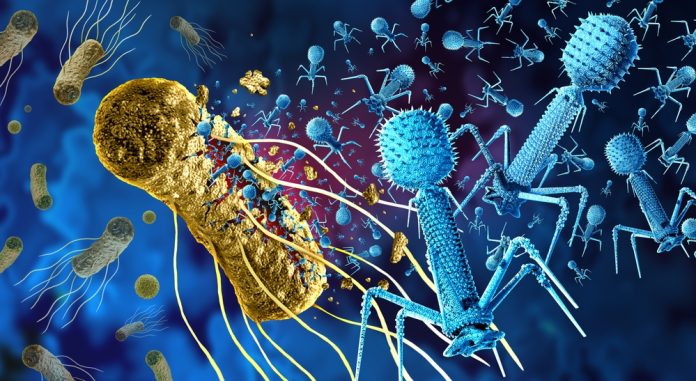
At the Royal Society Summer Science Exhibition in London, they’re launching a nationwide hunt for bacteriophages – microscopic viruses that infect and kill bacteria – which could form the basis of a powerful alternative to failing antibiotics.
Through hands-on participation, visitors will become part of a cutting-edge scientific effort that could shape the future of phage therapy and turn the tide in the global battle against AMR.
Commenting on the landmark initiative, Dr Franklin Nobrega, lead researcher on the project, said: “The threat of antimicrobial resistance grows year on year, and we urgently need to find alternative treatments to reduce our reliance on antibiotics.
“Phages have enormous potential. They are everywhere and can provide incredibly precise, targeted treatments for resistant infections.”
“We know that phage therapy can be effective in treating resistant infections. However, there are billions of different phages, each targeting a specific microbe.
“By finding more of these phages, we can improve our chances of beating AMR. In this arms race against resistant bacteria, every new phage we discover adds a valuable weapon to our arsenal.”
What is phage therapy?
Phage therapy is a rapidly emerging area of medical research focused on using viruses that infect bacteria, known as bacteriophages, as an alternative or complement to antibiotics.
Unlike traditional antibiotics, phages are highly selective, targeting specific bacterial strains without disturbing beneficial microbes. They also replicate at the site of infection, creating a self-amplifying treatment that persists until the harmful bacteria are eradicated.
This precision and sustainability make phage therapy a promising tool in the global fight against AMR, a growing public health threat identified by the World Health Organization (WHO) as one of the top ten global health emergencies.
The AMR crisis: Why new solutions are urgently needed
Antimicrobial resistance occurs when bacteria evolve to resist the effects of antibiotics, rendering many conventional treatments ineffective.
The consequences are stark: in 2021, AMR was directly responsible for over 1 million deaths globally and contributed to more than 4.7 million deaths.
Beyond the human toll, AMR threatens the safety of routine medical procedures – from chemotherapy and organ transplants to caesarean sections and dental surgeries – by increasing the risk of untreatable infections.
As antibiotics lose effectiveness, the need for innovative alternatives like phage therapy has become increasingly urgent.
Searching for superbug solutions
At their exhibition booth, titled Fighting Superbugs, University of Southampton researchers are offering over 500 visitors the chance to take part in live scientific research.
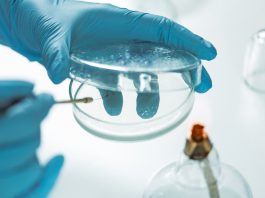
Attendees will receive a free phage-sampling kit and be asked to collect water samples from locations as varied as kitchen taps, local ponds, rivers, and even toilets.
Participants will return their samples to the Southampton lab for analysis, where researchers will search for new phages capable of combating drug-resistant bacteria.
Those taking part will even get to name any phage discovered in their sample and upload the location of their collection site to a dedicated platform, phage-collection.org, where they can track the progress of their contribution.
The project exemplifies a new model of collaborative science, where the public plays an active role in high-impact research.
From science fair to frontline medicine
This initiative comes at a pivotal time. In the UK, phage therapy is now permitted under regulatory routes for unlicensed use in individual patients.
Recent guidance from the Medicines and Healthcare products Regulatory Agency (MHRA) is also paving the way for licensed phage-based treatments to enter broader clinical use.
To date, phage therapy has successfully treated patients in the UK and around the world with life-threatening infections that failed to respond to antibiotics.
These include complex conditions such as bone infections, sepsis, and cystic fibrosis-related lung infections.
Beyond collecting samples, the exhibition offers an immersive educational experience. Visitors can dive into a virtual reality simulation to see how phage therapy works inside the body, build their own Lego phage models, and engage in live discussions with scientists about the future of superbug treatments.
The research team is also collecting public opinions on the acceptability of phage therapy, using this feedback to inform the design and delivery of future treatments.
A national effort in the making
The University of Southampton’s initiative is more than just an exhibit – it’s a call to action.
By turning the UK public into co-investigators in the search for next-generation medicines, researchers hope to accelerate the discovery of effective phages and build broader support for alternative therapies that can outsmart AMR.
As antibiotic resistance continues to threaten global health, phage therapy and public involvement may be the powerful combination needed to turn the tide.