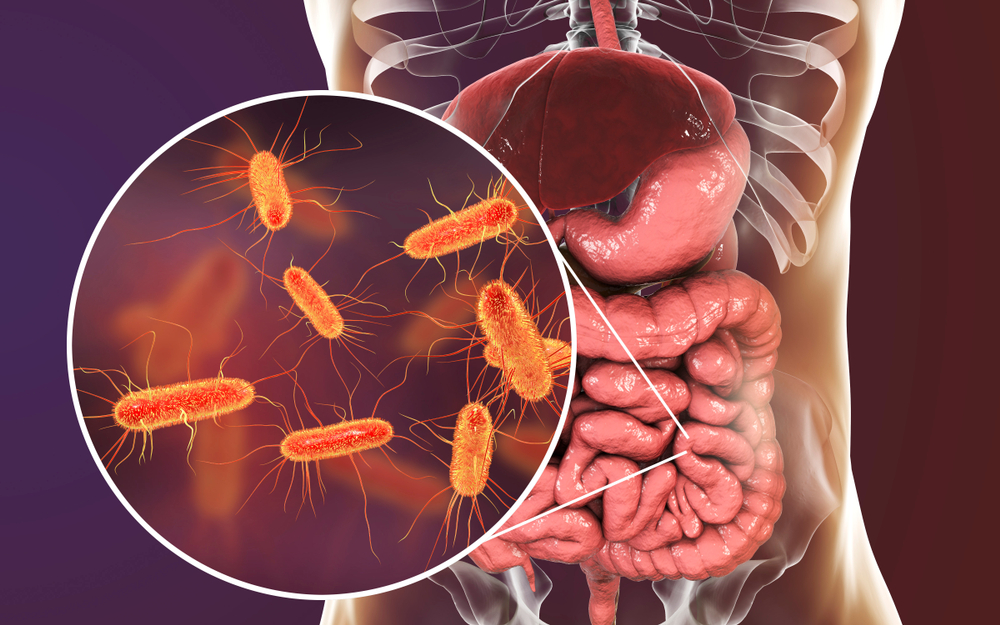
Scientists have uncovered a surprising ally in the fight against PFAS – certain strains of gut bacteria.
Researchers from the University of Cambridge have identified a family of microbes naturally present in the human digestive system that can absorb and trap PFAS, the toxic ‘forever chemicals’ linked to a range of serious health conditions.
These findings offer promising hope for reducing PFAS accumulation in the human body, potentially opening the door to new probiotic supplements designed to enhance gut bacteria’s ability to neutralise these harmful substances.
Dr Kiran Patil of the University of Cambridge’s MRC Toxicology Unit and senior author of the report, said: “Given the scale of the problem of PFAS forever chemicals, particularly their effects on human health, it’s concerning that so little is being done about removing these from our bodies.”
“We found that certain species of human gut bacteria have a remarkably high capacity to soak up PFAS from their environment at a range of concentrations, and store these in clumps inside their cells.
“Due to the aggregation of PFAS in these clumps, the bacteria themselves seem protected from the toxic effects.”
What are PFAS and why are they dangerous?
PFAS (perfluoroalkyl and polyfluoroalkyl substances) are a group of over 4,700 artificial chemicals widely used for their resistance to water, heat, and oil.
Found in everything from non-stick cookware to waterproof clothing and food packaging, PFAS persist in the environment for thousands of years and have become a growing health concern.
Exposure to PFAS has been linked to a variety of issues, including reduced fertility, developmental delays in children, weakened immune response, and increased risks of cancer and cardiovascular disease.
Because of their chemical structure, some PFAS compounds remain in the human body for years, making them particularly difficult to eliminate.
Gut microbes that fight back
In their experiment, scientists introduced nine specific strains of human gut bacteria into mice, effectively ‘humanising’ the animals’ gut microbiomes.
When the mice consumed PFAS-contaminated food, these bacteria rapidly absorbed the chemicals and helped expel them via faeces.
Even as PFAS levels in the mice increased, the microbes continued to work efficiently, soaking up between 25% and 74% of PFAS within minutes of exposure.
The researchers also found that the bacteria clustered the chemicals into clumps inside their cells, seemingly shielding themselves from PFAS toxicity in the process.
While these results are preliminary and not yet tested directly in humans, they mark the first known instance of gut bacteria playing a meaningful role in PFAS detoxification.
Future of probiotics in PFAS detox
Inspired by this discovery, the research team has co-founded a startup called Cambiotics to develop targeted probiotic treatments that can help the human body eliminate PFAS more effectively.
The company, supported by Cambridge Enterprise, is working on ways to enhance the performance of these microbes to create powerful dietary supplements.
Until such products become available, the scientists advise practical steps to reduce exposure, such as avoiding PFAS-coated pans and using high-quality water filtration systems.
Mounting concern and a call to action
The UK launched a parliamentary inquiry into PFAS regulation in April 2025, reflecting growing concern over the long-term health and environmental impacts of these chemicals.
Though some PFAS are excreted quickly, many with longer molecular structures remain in the body for decades, making effective removal strategies increasingly critical.
This new research adds a vital tool to the arsenal against PFAS, suggesting that boosting specific gut bacteria may help mitigate the long-term risks posed by these persistent toxins.
While there’s still much to explore, scientists are optimistic that the gut microbiome could be the key to flushing out the forever chemicals threatening our health.