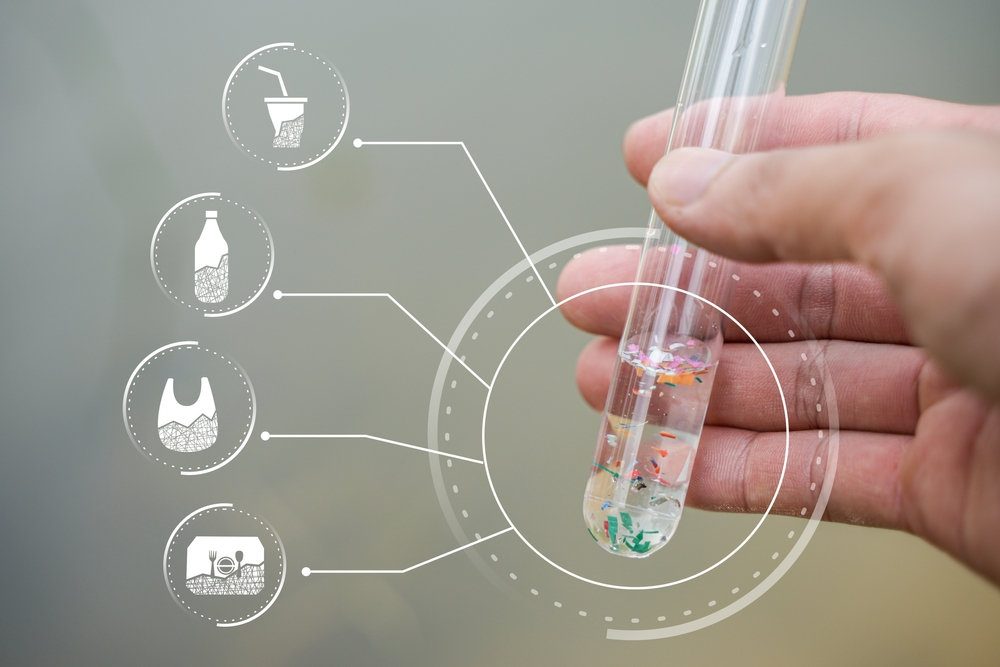
An alarming study has uncovered a previously overlooked connection between sewage spills and microplastic pollution in the air, revealing a potentially serious threat to public health in coastal towns and cities around the world.
Researchers from the University of Plymouth and Plymouth Marine Laboratory have found compelling evidence that a combination of wastewater overflows and onshore winds could be propelling billions of microscopic plastic particles into the atmosphere, exposing urban populations to invisible airborne contaminants.
Dr Lauren Biermann, Lecturer in Marine Science at the University of Plymouth and the study’s lead author, explained: “Increasingly, I have been reading separate studies about incredibly high concentrations of microplastics and nanoplastics in sewage spills, how winds are stripping microplastics and nanoplastics from the ocean surface into the air, and the negative impacts of ingested or inhaled microplastics and nanoplastics on human health.
“Our study is the first to make the connection between water pollution and air quality, and raises the question about potential health risks.”
Airborne plastics from the sea to the city
Using a combination of meteorological records, satellite imagery, and sewage overflow data, scientists studied a two-year period of combined sewer overflows into Plymouth Sound.
They discovered that on 178 days during that time frame, wastewater discharges coincided with coastal winds blowing at speeds exceeding 6.5 metres per second (23.4 km/h) directly toward the city.
These conditions, the study suggests, were ideal for a process known as aerosolisation – the transfer of tiny plastic particles from seawater to air via sea spray and foam.
In total, researchers estimate that aerosolisation could have occurred during almost 1,600 hours, or around 10% of the total study period.
A new pathway for microplastic pollution
This revelation adds a concerning new dimension to the global microplastic pollution crisis.
While scientists have long known that sewage spills contain large quantities of microplastics and nanoplastics – tiny fragments of plastic less than 5 millimetres in size – this study is among the first to suggest these particles may be transported into the air and potentially inhaled by nearby communities.
Inhaled microplastics are an emerging concern in environmental health research, with growing evidence linking them to respiratory issues, inflammation, and other serious health problems.
By highlighting a potential airborne route of exposure originating from sewage spills, the study urges both policymakers and public health officials to consider the broader consequences of marine pollution.
Coastal pollution patterns revealed by satellites
The study also examined satellite data, which revealed visible river plumes extending up to 10 kilometres offshore following major spill events.
These plumes coincided with a significant decline in coastal water clarity, especially in late autumn and early winter – the months when sewage overflows were most frequent.
The degradation of water quality during these peak spill periods supports the theory that ocean conditions during heavy rainfall and high winds are ideal for aerosolising and transporting microplastic particles inland.
Global implications for coastal communities
With thousands of cities across the UK and around the world still relying on combined sewer systems, where stormwater runoff and household sewage share the same pipes, the potential for similar airborne plastic contamination in other coastal regions is high.
The findings underscore the urgent need for investment in wastewater infrastructure and further research into the airborne transmission of microplastics.
By connecting marine sewage pollution with degraded air quality, the study raises important questions about how environmental factors interact to impact public health.
As the full scale of the microplastic crisis continues to unfold, this research serves as a timely reminder that what flows into the sea doesn’t always stay there and that sewage spills may be polluting not just our waters but also the very air we breathe.