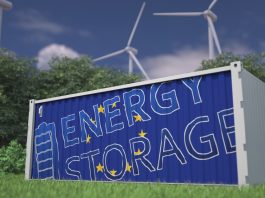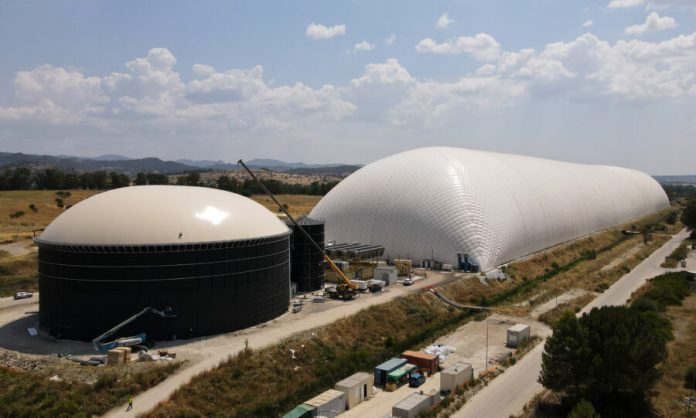
In an industry first, Google has partnered with Energy Dome to achieve carbon-free energy at scale by deploying commercially-proven CO2 battery energy storage.
Energy Dome’s CO2 battery technology is set to power the grids used for Google’s operations at a low-carbon rate.
As part of the agreement, Google has also made a significant investment in Energy Dome’s operations.
Electrifying the energy system
Electricity is key to modern life and prosperity. This is increasingly relevant as the energy system is electrified, and economic growth drives new electricity demand, including from computational needs of artificial intelligence and data centres.
Solar and wind are amongst the most cost-effective and rapid ways of delivering capacity to the grid, but are inflexible due to their inherent intermittency. Long-duration energy storage resolves this flexibility constraint by storing solar and wind energy and dispatching it later when needed.
For energy users like Google, this technology enables “firm” electricity to meet demand in a reliable, clean, and cost-effective manner.
The new CO2 battery technology deal is part of a growing portfolio of advanced energy technologies needed to realise Google’s ambition to run its operations on 24/7 carbon-free energy by 2030.
The selection of Energy Dome’s proven and market-ready CO2 battery technology reflects its ability to be deployed at the scale, speed and affordability required on a global basis.
Benefits of Energy Dome’s CO2 battery technology
The CO2 battery is capable of continuously dispatching energy for periods of 8-24 hours, unlocking enough firm electricity to meet both the baseload and flexibility requirements of large energy users.
The modular, site-independent product design utilises off-the-shelf equipment, eliminating supply chain bottlenecks and ensuring a highly scalable solution for storing massive amounts of energy efficiently and cost-effectively.
Furthermore, the mechanical components of the technology help stabilise the grid by providing natural inertia from rotating machinery. This is especially important given the concurrent ramp-up of solar and wind (which lack inertia) with the ramp-down of legacy fossil-fuel power stations, whose inertia is lost when the plants are decommissioned.
Therefore, the CO2 battery contributes to maintaining grid resiliency by acting as a shock absorber to smooth out sudden changes in frequency.
Scaling up technology to meet carbon-free energy goals
The commercial agreement aims to develop CO2 battery projects in all the key geographical strategic areas, including Europe, America, and the Asia-Pacific region, with the goal of scaling up deployment at a rapid pace to meet Google’s 2030 carbon-free energy goals.
A pipeline of sites and projects has been identified in the partnership, which are currently in development and contracting stages.
Maud Texier, Director of EMEA Energy at Google, explained: “Google is committed to powering our operations with clean energy, and Energy Dome’s technologically proven and scalable long-duration energy storage solution can help us unlock rapid progress.
“By helping to scale this first-of-a-kind LDES technology, we hope to help communities everywhere gain greater access to reliable, affordable electricity and support grid resilience as we integrate more renewable energy sources.”
Claudio Spadacini, Founder and CEO of Energy Dome, added: “The programmatic and strategic deployment of our technology at scale to help Google reach carbon-free energy represents the core of our industry-first agreement.
“We’re proving that a 24/7 cost-effective and carbon-free energy supply is achievable with the right technology and partnership model.”