The State of New Jersey has reached a major environmental settlement with The Chemours Company, DuPont de Nemours, Inc., and Corteva, Inc., resolving extensive legal claims related to PFAS contamination.
The total settlement amount of $875m will cover both localised site pollution and broader contamination across the state.
The agreement, outlined in a proposed Judicial Consent Order (JCO), concludes years of disputes over pollution from manufacturing facilities and firefighting foam chemicals. It also marks one of the largest environmental settlements in the state’s history.
Understanding the risks of PFAS contamination
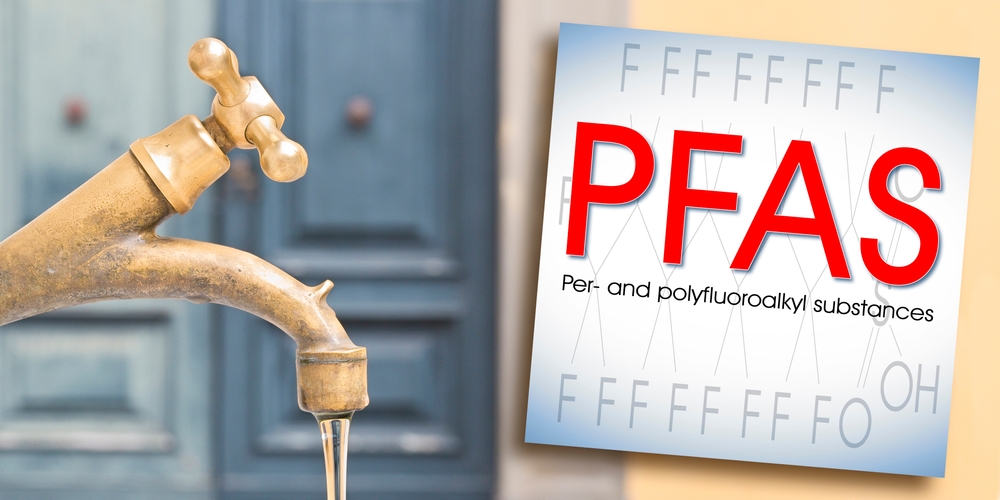
PFAS (per- and polyfluoroalkyl substances) are a group of manufactured chemicals used in various industries due to their heat, water, and oil-resistant properties.
These substances are commonly found in non-stick cookware, stain-resistant clothing, and especially in firefighting foam.
Often referred to as ‘forever chemicals,’ PFAS do not break down in the environment or the human body.
As a result, they accumulate over time and have been linked to a number of serious health issues, including cancer, hormonal disruption, liver damage, immune system problems, and reproductive effects.
PFAS contamination is particularly concerning in drinking water supplies and communities near industrial or military sites.
Once released into the environment, PFAS are extremely difficult to remove, making long-term cleanup a costly and technically challenging task.
Sites covered and scope of the settlement
The settlement resolves all claims of environmental damage from current and former operating sites, including Chambers Works, Parlin, Pompton Lakes, and Repauno.
In addition to these four locations, the agreement addresses statewide PFAS contamination not directly linked to the sites, such as pollution from aqueous film forming foam (AFFF) used by firefighters.
A portion of the total settlement – $16.5m – is allocated specifically for claims not tied to the companies’ industrial sites. Of that, $4.125m is dedicated to contamination caused by AFFF.
Payment timeline and company contributions
Under the terms of the deal, the $875m will be paid over 25 years, beginning no earlier than 1 January 2026.
The present value of these payments is estimated at around $500 million, factoring in a discount rate established in the JCO.
The financial responsibility is divided among the companies based on a prior 2021 Memorandum of Understanding.
Chemours will pay 50%, equating to approximately $250m. DuPont is responsible for 35.5%, or about $177m, while Corteva will contribute 14.5%, or roughly $72m.
Funding future PFAS cleanup and remediation
To ensure long-term environmental remediation, the settlement includes provisions for sustained financial support.
A Remediation Funding Source (RFS) will be created for each of the four operating sites. This will be backed by surety bonds or similar financial instruments, guaranteeing that funds remain available for ongoing cleanup efforts.
Additionally, DuPont and Corteva will establish a Reserve Fund capped at $475m, in line with their respective cost-sharing responsibilities. This fund provides secondary financial security and can only be accessed under specific conditions outlined in the settlement.
These financial instruments do not represent immediate cash payments but require the companies to maintain the bonds over time.
Chemours sells insurance rights to DuPont and Corteva
A separate part of the agreement includes the transfer of insurance rights. DuPont and Corteva will pay $150m to Chemours in exchange for its rights to certain insurance recoveries related to PFAS claims.
Once that amount and a fee are recouped, Chemours will receive 50% of any additional insurance proceeds, adding another layer of financial cooperation between the parties.
Next steps
Before the settlement is finalised, the proposed Judicial Consent Order must go through a public notice and comment period as required under New Jersey law. Following this, a court will review and determine whether to approve the agreement.
If approved, this settlement will represent a major achievement in New Jersey’s efforts to address PFAS contamination, secure funding for remediation, and ensure accountability from polluters. It is also expected to serve as a model for other states dealing with similar environmental challenges.