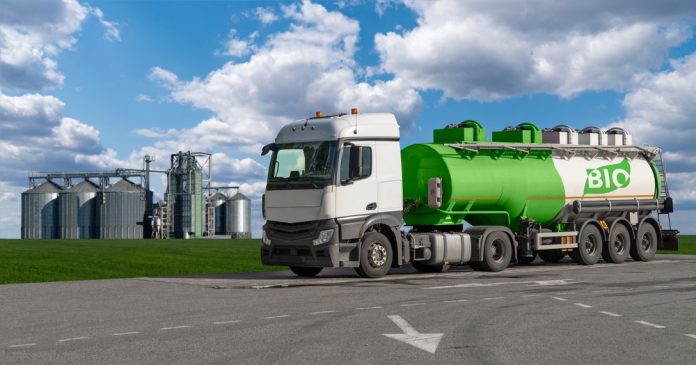
The heavy transport sector is a significant contributor to global greenhouse gas emissions. Transitioning to low-carbon fuels presents a viable solution to this pressing issue.
These fuels, including biodiesel and hydrogen, offer the potential to reduce carbon footprints substantially. However, various challenges remain in their widespread adoption.

Understanding the nuances of this transition is crucial for stakeholders invested in sustainable mobility.
Innovation News Network explores the factors that will ultimately determine the success of low-carbon fuels in this critical industry.
The carbon cost of heavy transport: Why change is urgent
As global demand for goods continues to rise, the carbon cost of heavy transport has become increasingly urgent to address. Heavy-duty vehicles, such as trucks and ships, are significant contributors to greenhouse gas emissions, accounting for a substantial portion of global carbon output.
The reliance on fossil fuels in these sectors exacerbates climate change, prompting calls for a transition to more sustainable practices. The urgency for change is underscored by international climate agreements and growing public awareness of environmental issues.
As cities expand and global supply chains evolve, the need for efficient, low-emission transport solutions becomes critical. Stakeholders, including governments and businesses, must prioritise investment in innovative technologies and alternative fuels to mitigate the environmental impact.
Facilitating this transition not only helps combat climate change but also aligns with economic interests, paving the way for a greener, more sustainable future in heavy transport.
Fuelling the shift: What makes a fuel ‘low-carbon’?
The definition of a ‘low-carbon’ fuel is central to addressing the challenges faced by heavy transport in reducing its environmental footprint.
Low-carbon fuels are characterised by their reduced greenhouse gas emissions compared to conventional fossil fuels. This reduction can be achieved through various means, including the use of renewable energy sources, carbon capture and storage technologies, and sustainable feedstocks.
For a fuel to be classified as low-carbon, it must demonstrate a lifecycle assessment showing a significant decrease in carbon emissions from production to end-use. Additionally, the availability and scalability of these fuels are critical factors in their adoption.
Low-carbon options, such as biodiesel, hydrogen, and synthetic fuels, can significantly lower emissions when integrated into existing transport infrastructures. Ultimately, the transition to low-carbon fuels is essential for achieving sustainability goals within the heavy transport sector, fostering a cleaner and more efficient future.
From farm waste to jet fuel: The technologies powering the transition
Despite the challenges associated with transitioning to sustainable aviation fuels, innovative technologies are emerging to convert farm waste into jet fuel, offering a promising solution for reducing carbon emissions in the aviation sector.
Processes such as gasification and fermentation enable the transformation of agricultural residues, including straw and husks, into usable fuel. These methods break down organic material to produce syngas, which can be further refined into jet fuel through catalytic conversion.
Additionally, companies are exploring biorefineries that integrate various waste streams, enhancing efficiency and reducing costs. The synergy between agriculture and aviation not only addresses waste management issues but also promotes a circular economy.
As these technologies advance, they hold the potential to significantly lower greenhouse gas emissions while providing a sustainable alternative to traditional jet fuels.
Real-world impact: How low-carbon fuels are already moving the world
Although many may view low-carbon fuels as a future aspiration, their real-world applications are already reshaping the landscape of heavy transport. Companies across the globe are increasingly adopting biofuels, hydrogen, and synthetic fuels to power their fleets, significantly reducing greenhouse gas emissions.
For instance, major airlines have begun utilising sustainable aviation fuels, which can lower carbon footprints by up to 80% compared to conventional jet fuels.

In the freight sector, logistics companies are converting diesel trucks to run on renewable natural gas, enhancing efficiency while minimising pollutants.
Additionally, several countries are implementing policies that encourage the use of low-carbon fuels, further accelerating their integration into existing transport systems.
These initiatives illustrate that low-carbon fuels are not merely theoretical solutions; they are actively contributing to a more sustainable transport future, driving an essential shift towards cleaner, more responsible mobility practices.
Economics of clean motion: Incentives, investment, and industry buy-in
Investing in low-carbon fuels requires a delicate balance of incentives, industry commitment, and market readiness.
Governments play a pivotal role by offering subsidies, tax breaks, and grants that encourage companies to adopt cleaner technologies. These incentives not only lower initial investment costs but also enhance the long-term viability of low-carbon options.
Industry buy-in is crucial; stakeholders must recognise the financial benefits of transitioning to sustainable practices, such as reduced operational costs and improved public image.
Additionally, investments in research and development facilitate innovation, making low-carbon fuels more efficient and accessible.
Market readiness hinges on consumer demand for sustainable transport solutions, pushing companies to adapt.
As businesses increasingly prioritise environmental responsibility, the economic landscape for low-carbon fuels becomes more favourable.
Ultimately, the interplay between incentives, investment, and industry engagement will determine the success of decarbonising heavy transport and achieving broader climate goals.
Barriers and breakthroughs: What’s holding back widespread adoption?
The journey toward widespread adoption of low-carbon fuels in heavy transport faces significant challenges that must be addressed to unlock their full potential.
One primary barrier is the high initial investment required for infrastructure development, including refuelling stations and vehicle retrofitting.
Additionally, the current cost of low-carbon fuels often exceeds that of traditional fossil fuels, creating reluctance among operators to make the switch.
Regulatory hurdles also impede progress, as inconsistent policies and a lack of incentives can deter investment. Moreover, technological limitations in fuel production and vehicle compatibility hinder scalability.
Despite these obstacles, breakthroughs are emerging. Advances in fuel technology and decreasing production costs are gradually making low-carbon options more competitive.
Furthermore, growing awareness of environmental impacts and increasing regulatory pressure are fostering a shift towards sustainable practices, ultimately paving the way for broader acceptance and adoption of low-carbon fuels in heavy transport.
The future path to cleaner transport
The transition to low-carbon fuels represents a critical step toward decarbonising heavy transport, addressing the pressing need for sustainable solutions.
With innovative technologies and supportive policies, the potential for significant emissions reductions is evident. As industry investments grow and real-world applications demonstrate efficacy, the momentum for adopting these greener alternatives will continue to build.
Overcoming existing barriers will be essential, but the path to a cleaner transport future is increasingly within reach.