The European Commission has approved a €626m Danish initiative dedicated to forest planting.
The programme, which runs until December 2030, is designed to support landowners in converting farmland into forest areas. It will cover planting costs, maintenance expenses, and compensate for lost agricultural income.
In addition, landowners who agree to designate their plots as ‘untouched forest’ will receive extra support to reflect the stricter environmental restrictions placed on such areas.
Teresa Ribera, Executive Vice-President for Clean, Just and Competitive Transition, commented: “This is an important measure that will help landowners convert agricultural land into forests.
“It will rapidly expand the Danish national forest estate and will deliver lasting benefits for climate change and address several challenges, such as CO2 reductions, biodiversity protection, nitrogen reduction, and drinking water protection.”
A key step toward a greener Denmark
This initiative forms part of Denmark’s long-term green strategy, which envisions turning around 10% of the nation’s land into nature and forest by 2045.
By prioritising forest planting, Denmark aims to strengthen biodiversity, increase carbon capture, and build resilience against climate change.
The aid will be provided through direct grants, covering up to 100% of eligible costs. This makes it one of the most ambitious national afforestation programmes in the EU.
Aligned with EU agricultural policy
The measure directly supports the EU’s Common Agricultural Policy (CAP), which emphasises environmental protection and climate adaptation.
Under the 2022 Agricultural Guidelines, the Commission evaluates such state aid schemes to ensure they benefit society without distorting competition in the single market.
Denmark’s afforestation plan was deemed fully compatible with these guidelines, offering taxpayers value while advancing EU climate objectives.
Why forest planting matters
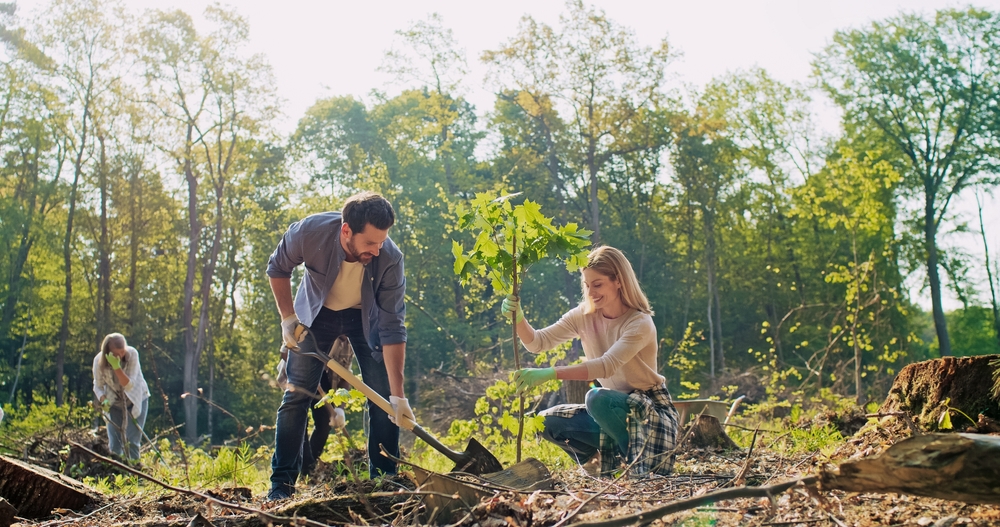
Beyond policy and funding, forest planting brings tangible benefits to both people and the planet.
Expanding forests improves air and water quality, reduces soil erosion, and provides natural flood protection.
From a climate perspective, forests act as powerful carbon sinks, absorbing CO₂ emissions that would otherwise remain in the atmosphere.
They also create habitats for wildlife, boosting biodiversity in landscapes that might otherwise be dominated by intensive farming.
On a social level, new forests provide recreational spaces, promote mental well-being, and contribute to the overall quality of life in rural and urban areas alike.
Denmark’s ambitious plan demonstrates how targeted investment in forest planting can address climate change while offering economic and social benefits.
With full EU backing, the scheme could serve as a model for other member states looking to balance agricultural productivity with environmental stewardship.
As 2045 approaches, the success of this programme will be measured not only in hectares of new forest but also in the healthier ecosystems and communities it helps sustain.