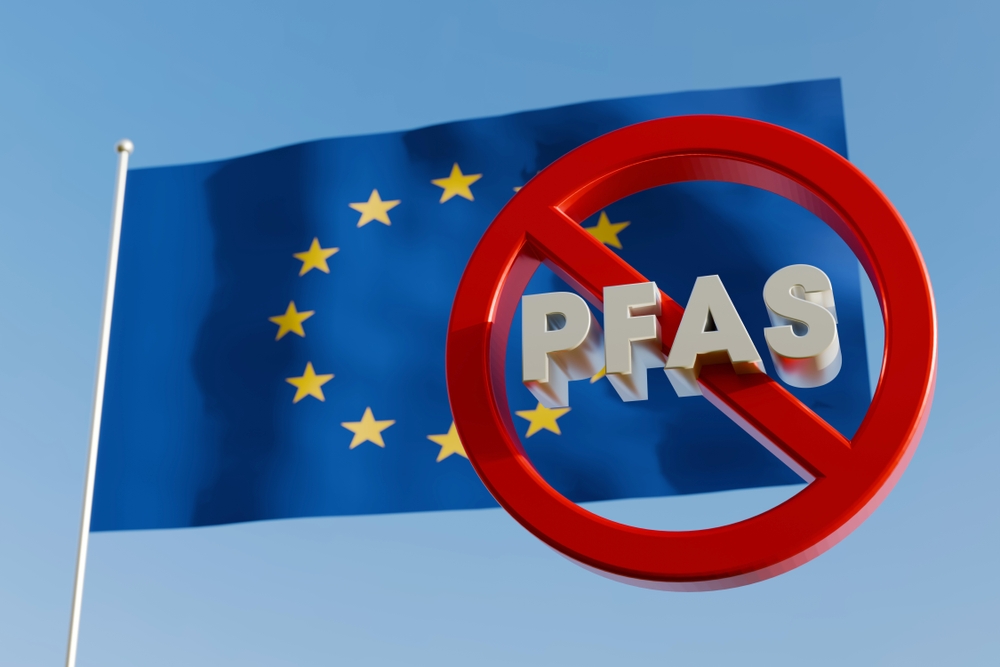
The European Chemicals Agency (ECHA) has published an updated proposal to restrict per- and polyfluoroalkyl substances (PFAS) under the EU’s REACH regulation.
This marks a significant step forward in one of the most comprehensive chemical restriction efforts ever considered in the European Union.
The update was prepared by authorities from Denmark, Germany, the Netherlands, Norway, and Sweden, who first submitted their restriction plan in January 2023.
The revisions come after reviewing more than 5,600 technical and scientific comments submitted during a six-month public consultation in 2023.
Expanded scope across industries
PFAS, often referred to as “forever chemicals” due to their extreme persistence in the environment, are widely used in industrial and consumer products.
The EU restriction proposal is one of the most ambitious chemical regulations ever attempted, aimed at reducing emissions and protecting both people and ecosystems.
One of the most notable developments in the updated PFAS restriction proposal is the inclusion of additional industrial sectors not specifically covered in the original plan.
The five submitting authorities have carried out new assessments for eight areas, including:
- Printing and sealing applications
- Machinery and technical textiles
- Broader medical uses, such as pharmaceutical packaging
- Military and explosives applications
- Wider industrial uses, such as solvents and catalysts
By broadening the scope, regulators aim to capture more potential sources of PFAS emissions that could otherwise slip through regulatory gaps.
Alternatives to a full PFAS ban considered
While the original restriction proposal leaned heavily toward a near-total ban, the updated document introduces alternative regulatory options.
These include conditional allowances where PFAS use can be strictly controlled. Sectors under consideration for such measures include electronics and semiconductors, energy, transport, sealing and machinery applications, and technical textiles.
This more nuanced approach signals recognition of the critical role PFAS play in certain high-tech and industrial processes, where substitutes may not yet be viable.
Next steps in the decision-making process
ECHA’s scientific committees for Risk Assessment (RAC) and Socio-Economic Analysis (SEAC) are now examining the updated PFAS restriction plan.
Their role is to deliver independent opinions on both the health and environmental risks of PFAS, as well as the socio-economic impacts of potential restrictions.
Once the committees finalise their evaluations, the European Commission will make the ultimate decision on whether and how to implement the PFAS restriction, in consultation with EU Member States.
The latest update ensures that the proposal reflects the most recent scientific input, making the forthcoming PFAS restriction decision one of the most closely watched regulatory moves in Europe’s chemicals policy.