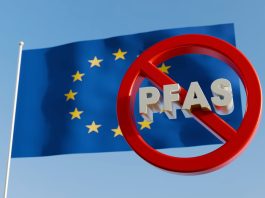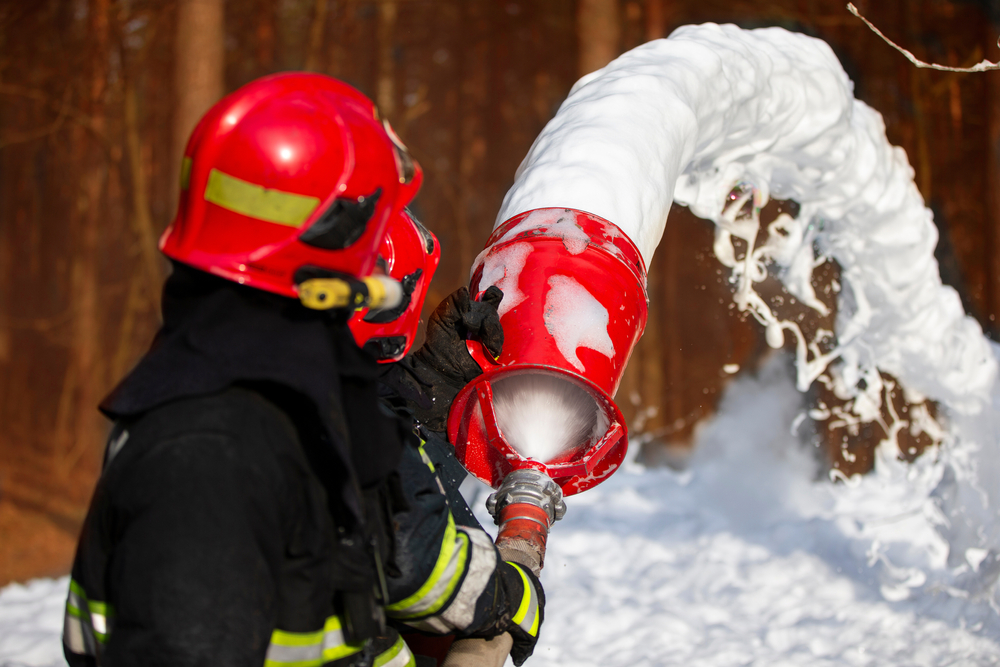
The Health and Safety Executive (HSE), acting as the Agency for UK REACH, has opened a six-month public consultation on the future use of PFAS in firefighting foams.
The move follows the publication of the Annex 15 restriction report, which presents HSE’s scientific assessment and evidence base for potential PFAS restrictions in Great Britain.
The consultation invites feedback from industry users, fire services, trade associations, and other stakeholders.
Their input will help shape recommendations to the Defra Secretary of State, as well as the Scottish and Welsh Governments, who will ultimately decide whether to introduce restrictions into law.
Dr Richard Daniels, HSE’s Director of Chemicals Regulation Division, explained: “HSE’s proposals have been developed through robust scientific methodology, and where possible, we have spoken with interested parties from across Great Britain. Now we are looking for more information from our stakeholders.
“We’re seeking evidence-based feedback on our analysis to ensure any future restrictions are proportionate, effective and tailored to Great Britain’s specific needs.”
What are PFAS?
Per- and polyfluoroalkyl substances (PFAS) are a large group of manufactured chemicals valued for their resistance to heat, water, and oil.
These properties have made PFAS highly effective in products ranging from non-stick cookware to waterproof clothing and, crucially, firefighting foams.
However, PFAS are often called ‘forever chemicals’ because they break down extremely slowly in the environment.
Once released, they can accumulate in soil, water, and living organisms, raising serious concerns about long-term exposure.
Environmental and health concerns
PFAS contamination has been detected globally in rivers, groundwater, and even drinking water supplies.
Research links prolonged exposure to a range of health issues, including thyroid disruption, immune system effects, and increased risks of certain cancers.
For wildlife, PFAS pollution threatens ecosystems by bioaccumulating through the food chain.
As firefighting foams are used in training exercises, emergency responses, and airport fire safety, their potential for widespread contamination is particularly high.
The HSE’s consultation acknowledges these risks, aiming to balance the protection of public health and the environment with the operational needs of emergency services.
Why firefighting foams are under scrutiny
In 2023, HSE recommended that PFAS in firefighting foams be prioritised ahead of other applications of these chemicals.
The reason is simple: firefighting foams are one of the largest direct sources of PFAS releases into the environment.
Unlike some industrial applications, foam use often results in open-air dispersal, making its environmental impact immediate and widespread.
The consultation period runs until 18 February 2026, giving organisations time to consider how potential restrictions may affect them.
HSE has also published a Q&A guide to help participants understand the scope and technical aspects of the proposals.
Next steps
Stakeholders are being urged to engage with the consultation and provide evidence on the feasibility of alternatives to PFAS-based foams.
This feedback will be critical in shaping the UK’s regulatory approach to one of the most pressing chemical safety challenges of our time.