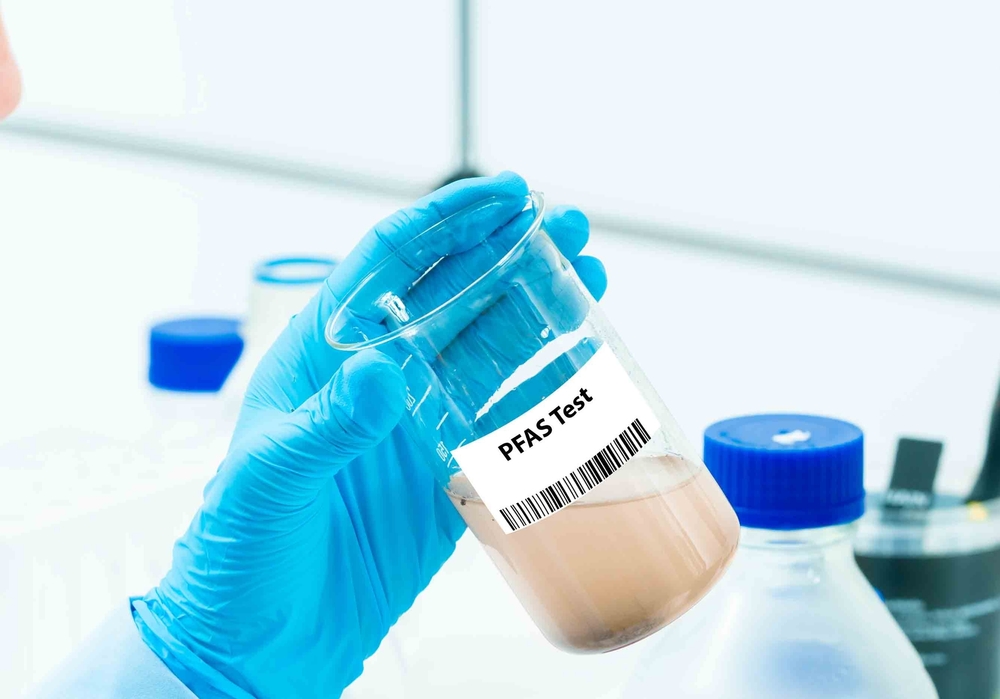
A new peer-reviewed study has revealed that advanced PFAS treatment systems do far more than remove ‘forever chemicals’ from drinking water.
Researchers from the Environmental Working Group (EWG) found that these technologies also slash levels of other dangerous contaminants, offering wider public health benefits than previously understood.
PFAS – per- and polyfluoroalkyl substances – are notorious for their persistence in the environment and their links to cancer, immune system suppression, and developmental harm.
But the study shows that technologies designed to capture these pollutants also lower concentrations of disinfection byproducts (DBPs), nitrates, and toxic metals such as arsenic and uranium.
Sydney Evans, EWG senior science analyst and lead author of the study, explained: “PFAS treatment isn’t just about forever chemicals. It’s also opening the door to improving water treatment across the board.
“Advanced PFAS water treatment is a turning point that can help us clean up a broader mixture of contaminants and bring drinking water quality in line with today’s public health science.”
Beyond forever chemicals
The study evaluated water quality data from 19 US utilities and the Environmental Protection Agency’s national monitoring programme.
Systems that installed advanced PFAS treatment – such as granular activated carbon, ion exchange, and reverse osmosis – saw striking reductions in multiple contaminants.
On average, cancer-causing trihalomethanes fell by 42%, while haloacetic acids dropped by 50%. Both are DBPs that form when chlorine and other disinfectants react with organic matter during water treatment.
The results suggest that PFAS filtration offers a two-for-one benefit: addressing an urgent chemical crisis while also tackling long-standing pollutants already subject to regulation.
Unequal access creates risks
While the science is promising, access to these advanced systems remains deeply unequal.
According to the EWG analysis, only 7% of very small water utilities – those serving fewer than 500 people – use modern filtration. By comparison, 28% of the largest utilities deploy these technologies.
This disparity leaves millions of rural and low-income Americans more vulnerable to PFAS, DBPs, and heavy metals.
Advocates warn that without targeted funding, the communities most at risk will continue to face the highest health burdens.
The bigger policy picture
The findings highlight a growing consensus that US water regulation must evolve. Current policies typically focus on one chemical at a time, but PFAS contamination rarely occurs in isolation.
A more holistic strategy would address groups of contaminants together, reflecting real-world exposure patterns.
Researchers also criticised inconsistent reporting in federal monitoring initiatives, which makes it harder to track co-occurring contaminants and evaluate the effectiveness of PFAS treatment. Standardised nationwide testing could help regulators set smarter, more protective limits.
PFAS regulatory setbacks raise concerns
The study comes at a politically charged moment. Earlier this year, the EPA moved to weaken limits on four PFAS compounds and delay compliance deadlines, despite previously finalising stronger standards.
Public health groups argue the rollback will prolong exposure in communities least equipped to adopt PFAS treatment technologies.
Critics say these policy reversals undermine progress just as science confirms the benefits of broad contamination reduction.
Without consistent regulation and investment, many utilities will struggle to implement technologies that could dramatically improve drinking water quality.
The cost of inaction
Only about 8% of US water systems currently use filters capable of removing PFAS, leaving most Americans dependent on outdated treatment.
The health stakes are high: the Centers for Disease Control and Prevention has detected PFAS in the blood of 99% of Americans, including newborns.
Even at very low doses, PFAS exposure has been linked to cancer, reduced vaccine effectiveness, and impaired foetal development.
Researchers stress that investing in PFAS treatment offers outsize returns. By removing multiple hazardous chemicals simultaneously, communities can reduce the risk of cancer and other chronic diseases while protecting vulnerable populations such as children and the elderly.
Toward safer drinking water
The EWG study underscores the urgent need for action. Recommendations include:
- Boosting funding to help small and under-resourced systems install advanced filtration.
- Strengthening national water monitoring to identify better and address contamination.
- Shifting to broader regulations that account for co-occurring pollutants.
Experts argue that framing PFAS treatment as a narrow solution misses the bigger picture. These technologies represent a turning point in water safety, with the potential to bring US drinking water in line with modern public health science.
A moment of opportunity
PFAS are among the most challenging pollutants of our time, but the latest findings show that solving this crisis could bring unexpected benefits.
By tackling forever chemicals, advanced treatment also reduces long-standing threats already known to harm health.
For millions of Americans, cleaner, safer water is within reach if policymakers, regulators, and utilities seize the opportunity.
With smarter investments and stronger protections, PFAS treatment could transform not only how we address one toxic chemical but how we safeguard drinking water for generations to come.