Researchers have launched one of the UK’s first human trials of a gene-edited food to determine whether biofortified tomatoes can help address vitamin D deficiency in participants who consume them.
Titled the ViTaL-D Study, the research marks a step towards discovering how biofortified food could be key to addressing the problem of vitamin D deficiency.
Why is vitamin D so important to humans?
Vitamin D is essential for helping the body absorb calcium and phosphorus, thereby maintaining strong bones, teeth, and muscles, and supporting the immune system in fighting infections.
However, in autumn and winter, many people experience deficiencies of this essential vitamin due to reduced daylight and the need for thicker clothes.
People can consume vitamin D-rich foods, such as oily fish, red meat, and egg yolks, to overcome this deficiency; however, plants lack it.
Vitamin D deficiency: Facts and figures
One in five people in the UK is deficient in vitamin D during winter and spring, and worldwide, almost one billion people lack sufficient vitamin D.
People with darker skin, the elderly, pregnant and breastfeeding people, and people who are confined indoors are more likely to be deficient.
Low levels have been linked to conditions such as depression, dementia, and an increased risk of certain cancers.
Tailoring genes in tomato plants
Some plants, including tomatoes, make a precursor of vitamin D, called pro-vitamin D3, as an intermediary, which is then converted to compounds the plant uses for defence.
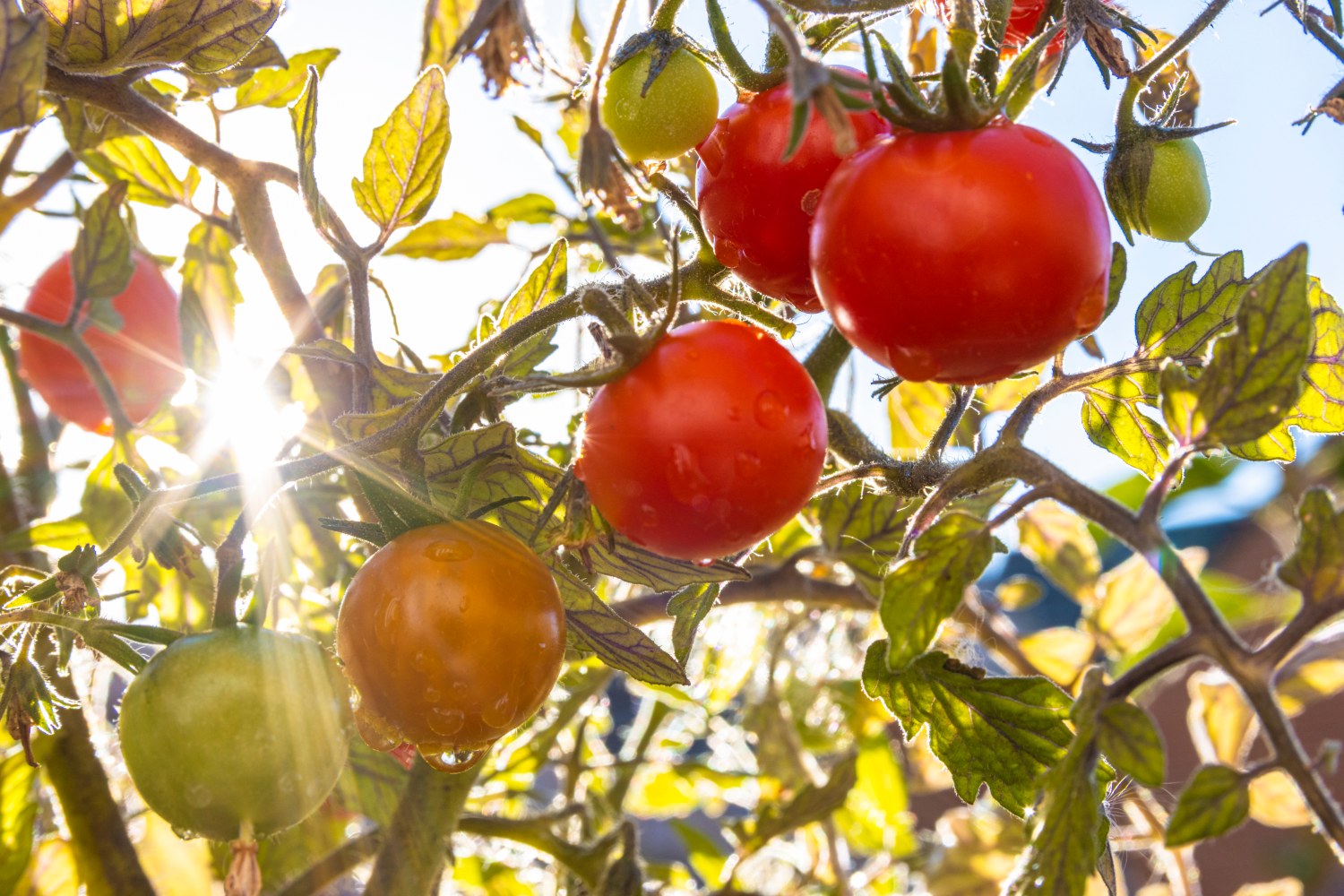
Using gene editing, researchers precisely tailored the genes in tomato plants so that they accumulate very high levels of pro-vitamin D3 in the fruit and leaves.
Unlike foods fortified during processing, these tomatoes are biofortified so the plants themselves produce higher levels of pro-vitamin D3.
Exposure to sunlight or shining ultraviolet light B on the plants converts pro-vitamin D3 into vitamin D3, which is the more stable form that’s useful for humans.
Each tomato has as much vitamin D as two eggs or 28g of tuna, two recommended sources. This change in the genetic makeup does not affect the appearance, growth, or yield of the plants.
A first-of-its-kind trial
The Quadram Institute and John Innes Centre will enrol 76 participants with low vitamin D levels in the ViTaL-D Study, funded by the Biotechnology and Biological Sciences Research Council (BBSRC).
Participants aged 18 and older, living within 40 miles of Norwich, where the research is being conducted, will consume a portion of tomato soup daily for three weeks.
Research will then determine if this leads to an increase in the blood levels of the active form of vitamin D, which helps maintain our health.
Professor Cathie Martin FRS, group leader at the John Innes Centre, explained: “In this first-of-its-kind trial, we are exploring the impact this produce might have on our diets and health here in Norwich, using tomatoes grown in our glasshouses at the John Innes Centre.
“People often take vitamin supplements, but new breeding techniques mean that in the future, this already healthy, fresh food that lots of people eat could be fortified with micronutrients from day one, with the potential to help boost the health of all of us.”