Methane emissions from livestock present a significant challenge for sustainable farming. Effective management practices and the selection of high-quality forage can mitigate these emissions.
By optimising grazing techniques and improving feed quality, farmers can enhance livestock health and reduce greenhouse gases. The implications of these strategies extend beyond environmental concerns.

Understanding these practices may reveal unexpected benefits for both the farm’s productivity and its ecological footprint. What might those benefits entail?
Methane emissions on farms: The challenge for livestock
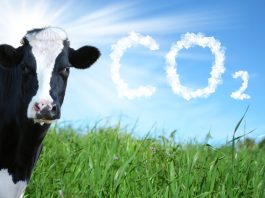
Understanding methane emissions on farms presents a significant challenge for livestock producers, as these emissions are a major contributor to greenhouse gas levels.
Livestock, particularly ruminants like cattle and sheep, produce methane during digestion through a process known as enteric fermentation. This biological process occurs in their stomachs, where microbes break down food, releasing methane as a byproduct.
The amount of methane emitted can vary based on several factors, including animal species, diet, and management practices.
Additionally, manure management practices have a significant influence on methane emissions, as the anaerobic decomposition of waste can produce substantial amounts of methane.
Addressing these emissions requires a comprehensive understanding of the underlying processes and potential mitigation strategies.
Livestock producers face the dual challenge of minimising their environmental impact while maintaining productivity and profitability. Effective management practices and innovative technologies are crucial for addressing this pressing issue in the agricultural sector.
The role of forage quality: Why what animals eat matters
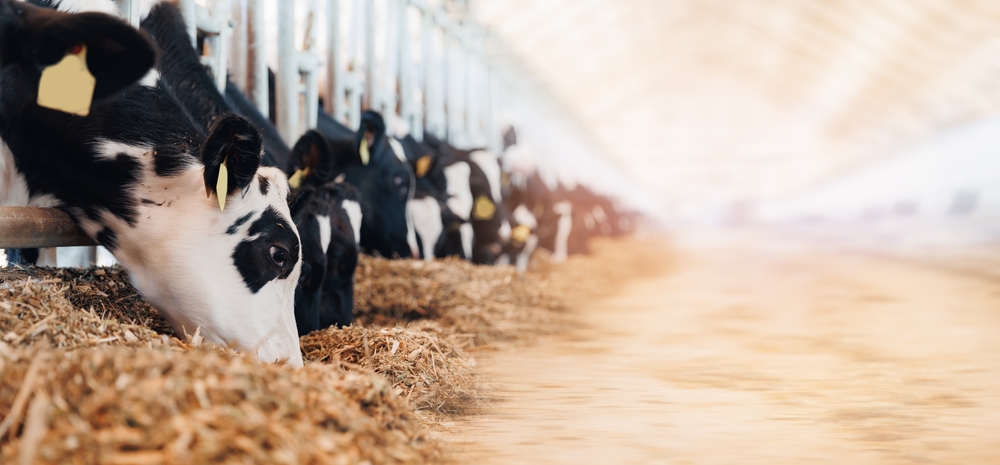
Forage quality plays a crucial role in determining the efficiency of nutrient digestion in ruminants, which in turn impacts methane production during fermentation. High-quality forages, rich in digestible fibres and nutrients, lead to improved gut health, promoting a more efficient fermentation process.
This results in reduced methane emissions, as animals convert feed into energy more effectively.
Low-quality forages, often high in lignin and low in digestibility, can lead to increased methane production due to prolonged fermentation times and suboptimal nutrient absorption.
Additionally, the type of forage consumed influences the microbial populations in the rumen, which can either enhance or diminish methane production. By prioritising high-quality forages, farmers can optimise livestock nutrition and minimise methane emissions, contributing to more sustainable farming practices.
Ultimately, the choice of forage is not just a matter of animal health but also a significant factor in addressing climate change challenges related to agriculture.
Optimising grazing and feeding practices: Management strategies that work
While effective grazing and feeding practices are essential for maximising livestock productivity, they also play a critical role in reducing methane emissions.
Optimising grazing management involves implementing rotational grazing systems that allow pastures to rest and regenerate, promoting healthier plant growth and reducing the need for supplemental feed. This method enhances forage quality and digestibility, contributing to lower methane production during digestion.
Additionally, strategic stocking rates ensure that pasture resources are not overused, further supporting sustainable land management. Monitoring animal body condition and adjusting feed intake can also enhance efficiency, as well-fed animals generally produce less methane per unit of meat or milk.
Incorporating diverse plant species in pastures can improve nutrient availability and optimise rumen function, leading to reduced emissions. Together, these management strategies create a holistic approach to livestock farming that benefits both productivity and environmental sustainability.
Silage, hay, and supplements: Choosing feed to lower emissions
Selecting the right feed, such as silage, hay, and supplements, can significantly impact methane emissions from livestock. High-quality forage, particularly silage made from legumes or high-fibre grasses, can improve fermentation efficiency in the rumen, leading to reduced methane production.
The digestibility of the feed plays a crucial role; animals consuming easily digestible forages can extract nutrients more efficiently, leading to lower emissions.
Additionally, incorporating supplements like tannins or seaweed into the diet has been shown to inhibit methane production during digestion. These additives can enhance overall feed efficiency and provide essential nutrients that promote animal health.
Farmers should consider the nutritional composition and fermentation properties of their feed choices. By prioritising high-quality silage and strategically using supplements, livestock producers can create a more sustainable feeding regime, ultimately contributing to reduced methane emissions while maintaining productivity and animal well-being.
Monitoring and measuring impact: Tools to track methane reduction
Effective management of livestock feed choices can lead to reduced methane emissions, but tracking the impact of these strategies is equally important.
Various tools and technologies are available to measure methane emissions accurately on farms. One effective method involves using gas analysers that can quantify methane output in real-time, providing insights into the effectiveness of different feed types.
Additionally, software platforms can help farmers analyse data collected from livestock performance and dietary adjustments, allowing for informed decision-making.
Remote sensing technologies, such as drones equipped with specialised sensors, can also monitor pasture and forage conditions, giving farmers a broader view of their land’s methane emissions.
Regular assessments through these tools enable farmers to adjust their management practices based on measurable outcomes, ensuring that efforts to reduce methane are both effective and sustainable.
Economic and environmental benefits: Cutting methane emissions to boost productivity
Significant economic and environmental benefits can arise from reducing methane emissions in livestock operations.
By implementing strategies such as improved forage quality and optimised feeding practices, farmers can not only lower greenhouse gas emissions but also enhance productivity.
High-quality forage leads to better animal health and increased milk and meat production, ultimately resulting in higher profitability for farmers.
Moreover, reducing methane emissions contributes to climate change mitigation, aligning agricultural practices with global sustainability goals. The dual benefit of economic gain and environmental stewardship positions farmers as key players in combating climate change, while also supporting their financial viability.
Additionally, consumers are increasingly inclined to support sustainable farming practices, which could potentially increase market access and demand for products from farms with low emissions.
Enhancing the future efficiency of agricultural operations
In conclusion, implementing smart management practices and prioritising high-quality forage are essential strategies for reducing methane emissions on farms.
By optimising grazing techniques and enhancing feed quality, farmers can significantly lower methane production while improving livestock health and farm productivity. Monitoring tools further enable precise adjustments, ensuring both environmental sustainability and economic viability.
Ultimately, these practices demonstrate that addressing methane emissions not only benefits the planet but also enhances the overall efficiency of agricultural operations.