The Food Safety and Standards Authority of India (FSSAI) has proposed a ban on the use of bisphenol A (BPA) and PFAS in food packaging.
The regulatory change could mark a significant shift in India’s food packaging landscape, aligning the country with global health and environmental standards.
The proposal was issued through a draft amendment to the Food Safety and Standards (Packaging) Regulations, 2018, and was published on 6 October 2025.
The FSSAI has invited public and stakeholder comments over a 60-day period before finalising the amendment.
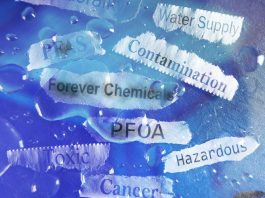
Hidden dangers of PFAS
Both BPA and PFAS have been under scrutiny worldwide for their potential health risks.
BPA, widely used in the lining of cans and plastic containers, is linked to hormonal disruptions, reproductive issues, and developmental effects.
PFAS, used for their non-stick and grease-resistant properties, are associated with immune system suppression, thyroid disease, and increased cancer risk.
Phasing out the use of PFAS in food packaging
According to the draft, “food contact materials manufactured with polycarbonate and epoxy resins shall be free from bisphenol A (BPA) and its derivatives.”
It further stipulates that PFAS, commonly known as “forever chemicals” due to their persistence in the environment, “shall not be used in the manufacturing of food contact materials.”
The move follows similar bans in other regions. In 2023, the European Food Safety Authority (EFSA) concluded that BPA posed “potential harmful effects on the immune system,” prompting EU member states to implement restrictions on its use in food and drink packaging.
Meanwhile, the US Environmental Protection Agency (EPA) and several states have also moved to restrict the use of PFAS in food packaging due to mounting evidence of their environmental persistence and toxicity.
A growing awareness of chemical safety in India
Industry experts say the FSSAI’s proposal reflects growing awareness of chemical safety in India’s rapidly expanding food and beverage packaging sector, valued at over $70 billion and projected to grow by 6-7% annually.
If enacted, the amendment would compel packaging manufacturers to adopt safer alternatives, such as bio-based coatings, plant-derived polymers, and PFAS-free grease barriers, accelerating the shift toward sustainable materials.
Environmental groups have welcomed the move, noting that India’s decision could set a precedent for other developing markets to phase out the use of PFAS in food packaging.
Once finalised, the ban will mark a decisive step in India’s commitment to protecting public health and aligning its food safety framework with international best practices.