George Gregory, CEO of Malta Enterprise, examines Malta’s semiconductor landscape, discussing government strategies, challenges faced, and solutions implemented to ensure the sector’s growth and competitiveness in a dynamic global market.
As the global demand for semiconductor technology continues to surge, Malta is positioning itself as a significant player in this critical industry. With a thriving semiconductor ecosystem that boasts remarkable resilience and innovation, the country is emerging as a hub for advanced manufacturing and attracting renewed interest from foreign investors.
To discuss these exciting developments, George Gregory, CEO of Malta Enterprise, explores Malta’s evolving semiconductor landscape, highlighting government strategies aimed at enhancing the sector, the challenges it faces, and the solutions being implemented to ensure sustained growth and competitiveness in an ever-changing global market.
Malta’s semiconductor ecosystem
Malta’s semiconductor ecosystem has demonstrated remarkable resilience and adaptability over the years. The sector remains one of the strongest pillars of Malta’s advanced manufacturing base, with semiconductor-related exports amounting to approximately €1bn, representing a substantial amount of total industrial exports in 2024.
Companies in this sector have consistently reinvested to upgrade capabilities and expand into higher-value niches. A significant milestone was STMicroelectronics’ investment under the Important Project of Common European Interest (IPCEI), reinforcing Malta’s role in Europe’s strategic semiconductor value chain. STMalta is the largest employer on the island and the largest first-advance-led manufacturing backend plant for ST in Europe.
Beyond traditional manufacturing, Malta is witnessing encouraging diversification across the supply chain. Trelleborg is developing advanced rubber sealing solutions for semiconductor applications, while Elepac continues to strengthen its expertise in electronic packaging. Together, these developments underscore Malta’s ability to support both front-end and back-end semiconductor activities.
The local industry services world-class clients, including major names in the automotive, telecommunications, and industrial electronics sectors.
We are also observing renewed foreign investor interest in establishing operations in Malta, particularly in emerging semiconductor niches linked to sustainability, materials engineering, and testing services. At the same time, several locally owned firms are scaling their operations internationally, reflecting the growing sophistication of Malta’s talent base and the strength of its innovation ecosystem. Taken together, Malta’s semiconductor sector is evolving from a stable manufacturing hub into a dynamic, innovation-driven ecosystem that continues to attract investment, enable collaboration, and contribute to Europe’s strategic resilience.
Government strategy: Shaping the semiconductor landscape
The Government of Malta has demonstrated a strong and sustained commitment to strengthening the semiconductor sector as a key pillar of advanced manufacturing. This commitment is reflected in Malta’s participation in the Chips Joint Undertaking call for the establishment of a Competence Centre for Semiconductors, a strategic initiative that will serve as a cornerstone for future growth and innovation. We approached this project with conviction, viewing it as an important milestone in this critical sector.
Malta’s long-term Vision 2050 also recognises the semiconductor industry as a strategic enabler of economic transformation. The focus is twofold: to create new high-value niches within the semiconductor supply chain, while also consolidating and re-engineering the operations of existing players to ensure continued competitiveness and sustainability.
The national strategy centres on consolidation, reengineering, and renewal, supporting existing firms to upgrade and diversify, while providing new impetus through the attraction, retention, and growth of new ventures.
In parallel, Malta is developing a dedicated industrial strategy for semiconductors, which is being shaped through broad consultation with both local industry leaders and international stakeholders. This inclusive approach ensures that Malta’s semiconductor ecosystem continues to evolve in line with emerging technologies, global market trends, and Europe’s collective ambitions for resilience and innovation.
Growing the semiconductor industry: Challenges and solutions
Like many other countries, talent availability remains one of the key challenges for Malta’s semiconductor industry. Attracting more students to pursue studies in science, engineering, and technology disciplines that lead to semiconductor-related careers is essential. Strengthening the pipeline of skilled professionals is critical to sustaining and expanding the industry’s future.
Another important area is deepening linkages between Malta’s ecosystem and more mature semiconductor hubs abroad. Collaboration with established international centres of excellence allows for knowledge transfer, joint research, and exposure to global best practices. A successful example is this year’s placement of a top Maltese student at imec, one of the world’s leading semiconductor R&D centres – a model we aim to build upon.
It is also crucial that EU-level initiatives remain accessible to smaller states and their SMEs, including startups working on semiconductor technologies. Active participation in European programmes ensures that countries like Malta can contribute to and benefit from the broader European Chips ecosystem. By addressing these challenges through education, international collaboration, and inclusive access to EU opportunities, Malta can continue strengthening its role in Europe’s semiconductor value chain.
The Malta Semiconductor Competence Centre
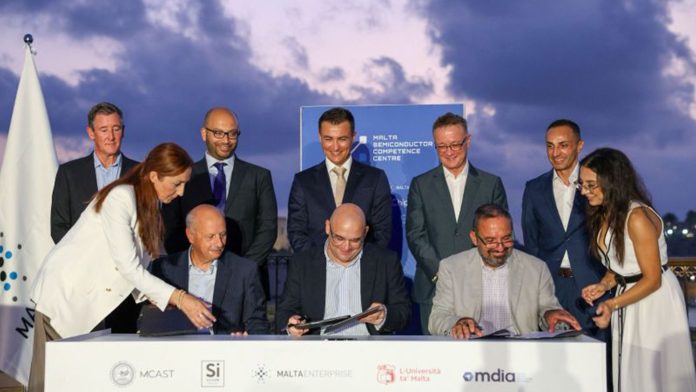
The formation of the Malta Semiconductor Competence Centre was a strategic decision aimed at capitalising on Malta’s proven strengths in semiconductor manufacturing and operations, while ensuring a strong international dimension that connects local capabilities to the wider European ecosystem.
From the outset, our objective was to establish a Competence Centre with a differentiated offering – one that complements, rather than duplicates, the work of other centres across Europe. To achieve this, the MSCC has adopted a multi-faceted approach built around three core pillars:
- Training and skills development – providing tailored programmes for upskilling and reskilling both current professionals and future talent entering the semiconductor field.
- Research and innovation support – assisting companies in developing R&D projects and facilitating access to EU funding mechanisms.
- Technology commercialisation and startups – fostering innovation-driven entrepreneurship by supporting early-stage semiconductor ventures.
To strengthen this third pillar, we have partnered with Silicon Catalyst, a leading global incubator for semiconductor startups. Through this collaboration, European-based startups will gain access to Silicon Catalyst’s extensive ecosystem, resources, and mentorship, enabling them to accelerate their path to market.
As part of this partnership, the MSCC has launched ChipStartEU, a new programme designed to support early-stage chip design startups. The initiative has already attracted strong interest, with over 40 companies applying, and 12 to be selected for the first cohort. These startups will benefit from access to Silicon Catalyst’s global network and expertise, helping transform innovative ideas into commercial success stories that contribute to Europe’s semiconductor ecosystem.
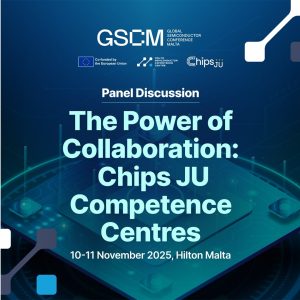
Ultimately, the MSCC’s mission is to empower Malta’s semiconductor ecosystem, equipping it with the skills, innovation capacity, and international partnerships needed to thrive within Europe’s broader Chips Act framework.
The Global Semiconductor Conference Malta: What to expect
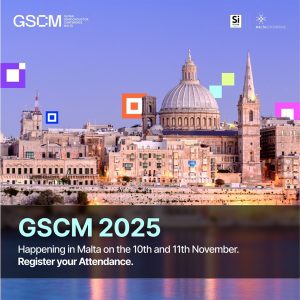
The Global Semiconductor Conference Malta (GSCM), taking place on 10-11 November 2025, will bring together some of the most influential voices in the global semiconductor industry, from policymakers and executives to innovators, investors, and thought leaders.
This year’s theme, “The Ten-Year Race Towards a €2 Trillion Semiconductor Industry,” will set the stage for high-level discussions on the global outlook, investment priorities, and technological transformations shaping the sector over the next decade.
Participants can expect:
- Strategic insights into global market dynamics, the Chips Acts, and Europe’s competitiveness in the semiconductor value chain.
- Engaging panel discussions covering topics such as geopolitical trends, supply chain resilience, sustainability, and AI-driven innovation.
- A dedicated Investor Forum, exploring the state of semiconductor venture capital in Europe
- Networking opportunities with industry leaders, startups, and R&D institutions from across Europe and beyond.
Beyond the discussions, the GSCM offers an exceptional opportunity to connect, collaborate, and build partnerships – all set against the backdrop of Malta’s vibrant Mediterranean environment. Interested participants can follow this link to view the programme and register Homepage | GSCM.
Hosting EFECS 2025
Hosting EFECS 2025 (the European Forum for Electronic Components and Systems) is a significant milestone for Malta and a clear recognition of the country’s growing role within the European semiconductor and microelectronics ecosystem.
For Malta, it is both a privilege and an opportunity to welcome Europe’s leading policymakers, innovators and industry stakeholders. This initiative will showcase our national capabilities, from advanced manufacturing and design expertise to research, innovation and talent development. It also signals Malta’s increasing visibility and credibility within the European Chips Act framework and its related initiatives. Over the past years, we have built a strong foundation through public–private collaboration, participation in European projects, and the establishment of the Malta Semiconductor Competence Centre. Hosting EFECS is a natural continuation of this journey.
Beyond the conference itself, this event provides a platform to strengthen Malta’s partnerships, attract new investment, and engage with European and global players who are shaping the future of the industry. It is also a chance to inspire our younger generation, demonstrating that Malta is not only participating in but actively contributing to one of the world’s most strategic sectors.
Please note, this article will also appear in the 24th edition of our quarterly publication.