Linda Bedenik, Senior Policy and Public Affairs Manager of the UK Bioindustry Association (BIA), explores the topic of biosolutions and how they are helping to drive a more sustainable future in the UK and beyond.
The climate crisis demands an urgent, comprehensive mobilisation across every sector of the global economy. While the conversation often centres on decarbonisation efforts in energy and transport, the most powerful and scalable solutions may lie in an unexpected domain: biology itself.
We are now in an era of truly disruptive innovation, where our ability to gain insights from AI, edit genomes with precision, and industrialise biological processes has given rise to a new, powerful movement. These are biosolutions (formerly known as deep biotech). They are spearheaded by innovative companies powered by modern industrial biotechnology and are focused on addressing humanity’s greatest challenges, from environmental pollution and waste to the climate crisis.
What are biosolutions, and what makes them different?
Biosolutions are powered by engineering biology, the deliberate manipulation of the genetic code, amplified by concurrent breakthroughs in AI, genomics, and advanced automation. They offer a powerful pathway to accelerate the transition towards a sustainable, resilient, and competitive future that is inspired by nature.
What sets biosolutions apart are their scale, goal, and profound enabling power.
Scope beyond health
For decades, the UK’s biotech success has been concentrated in healthcare. Biosolutions companies take the same powerful toolkit and apply it to disrupt traditional industries entrenched in unsustainable practices, such as agriculture, fashion, fuel, and plastic packaging.
A foundational tool for net zero
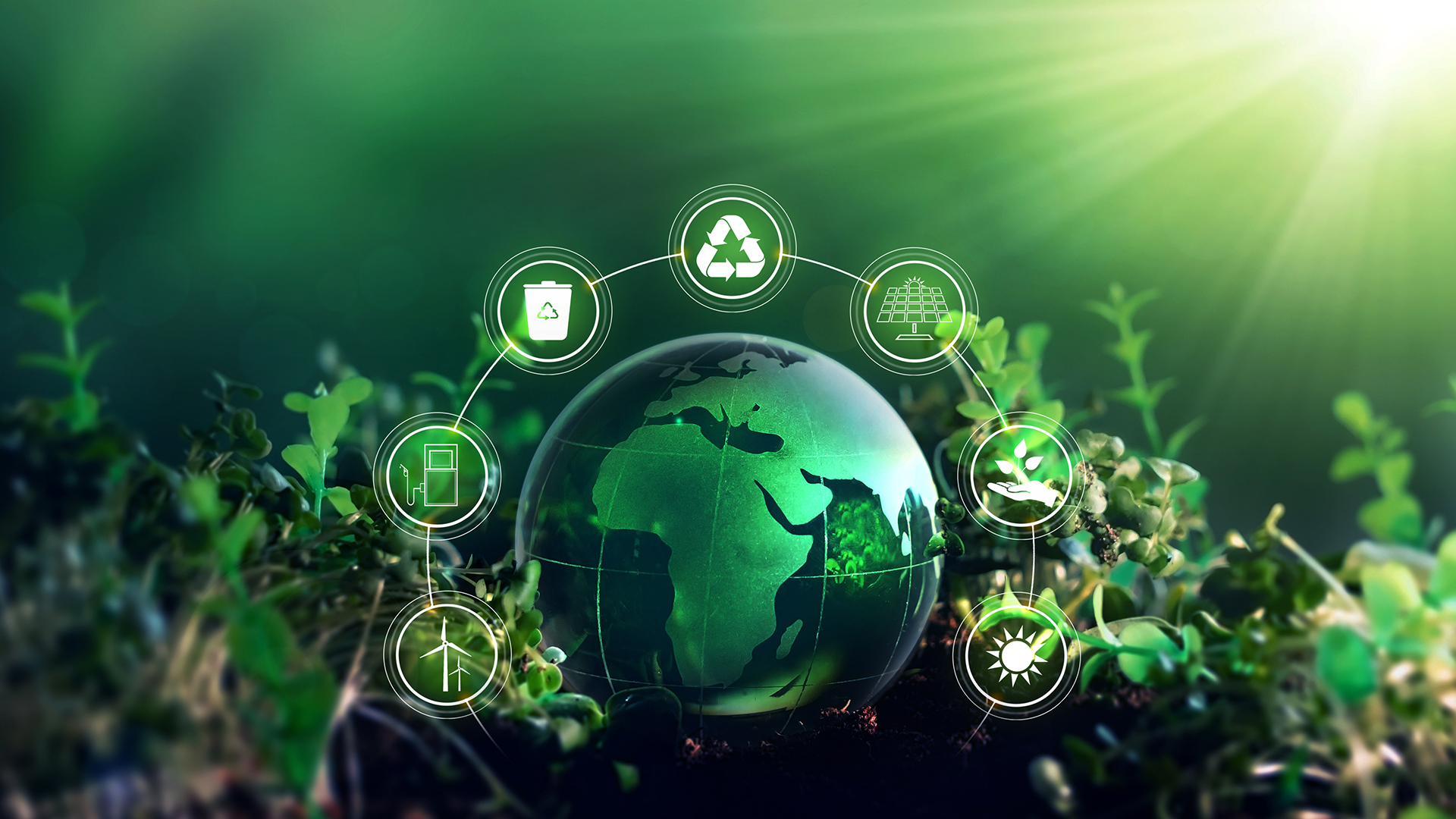
Biosolutions are a cornerstone of ‘deep tech’ and ‘climate tech’. These innovations are essential for transitioning from fossil fuel dependency to a sustainable bioeconomy. By augmenting nature’s own processes, we can create the building blocks of modern life, reducing our environmental impact and setting the world on a path to sustainable economic growth. The UK Government itself predicts engineering biology could generate an uplift of 1.55% to real GDP by 2035.
Key application areas for biosolutions
The universal nature of the genetic code means that engineering biology can be applied across the economy, driving a ‘biorevolution’ that McKinsey estimates could have a direct annual global impact of $2-4tn by 2030-40. The BIA identifies four major application areas where biosolutions are leading the change:
Novel food: Reinventing agriculture
Innovative biosolutions have the potential to transform the food system. Companies are reforming pesticides, using precision breeding to develop resilient crops, and harnessing cellular agriculture and precision fermentation to create sustainable proteins.
For example, cultivated meat and precision-fermented ingredients can reduce greenhouse gas emissions by up to 92% and land use by up to 95% compared to industrial-scale farming.
Biobased chemicals and materials
Over 90% of the embedded carbon in global chemical production is derived from fossil fuels. Biosolutions offer industries reliant on petrochemical feedstocks a chance to delink the production of commodities like fabrics, packaging, and cosmetics from petrochemicals and intensive farming.
Engineering microbes can produce sustainable, bio-based ‘drop-in’ replacements for plastics (e.g., bioplastics) and active ingredients, transforming industries like fashion and packaging.
Tackling environmental pollution
Biosolutions provide biology-based solutions to clean up the legacy of petrochemical-dependent industries. For example, engineering enzymes to rapidly break down hard-to-recycle materials like plastics and synthetic fibres (microplastics) into reusable monomers; or developing novel adsorbent materials to selectively remove harmful pollutants, such as PFAS (‘forever chemicals’), from contaminated water sources.
Engineering the next generation of biofuels
To meet net zero goals, high-emission sectors like transport and shipping must decarbonise. Biofuels, derived from biomass and engineered organisms, play a critical role.
Engineering biology is used to enhance the capabilities of natural organisms, such as microalgae, to efficiently absorb carbon and produce high-energy, sustainable oils for biofuels, offering a potent, bio-based alternative to fossil fuels.
Key projects
UK innovators are charting the course of the biorevolution. The BIA supports a burgeoning community of biosolutions companies, including:
- Resurrect Bio (novel food/agri): This company is using an integrated platform, including an AI tool named FloraFold®, to ‘resurrect’ natural immunity in crops. By rapidly identifying disease resistance traits, they reduce the reliance on environmentally polluting, petrochemical-dependent pesticides, leading to higher yields and more resilient crops.
- Twig (biobased chemicals/materials): Twig utilises a two-part proprietary technology, BioDrive (AI design) and GrowBot (wet lab), to design microbes that produce sustainable ingredients from waste feedstocks, such as waste sugar from food processing. This offers a cost-competitive and stable supply chain alternative for the cosmetics industry.
- Epoch Biodesign (plastic recycling/circular economy): This pioneer in engineered biology is developing a gamechanging solution to plastic waste. They use AI-powered enzyme engineering to create custom nanoscale biomachines that can depolymerise complex plastic waste into high-value circular chemicals and recycled plastics. This biorecycling process offers a truly circular, low-energy, and non-toxic route to managing waste that currently ends up in landfills or incineration.
- Constructive Bio (enabling technology): Operating at the cutting edge of science, Constructive Bio rewrites entire genomes to build the biomolecules of the future. By re-programming ‘freed up’ codons, they incorporate new-to-nature building blocks into proteins, enabling the creation of novel therapeutics and fully programmable biomaterials that were previously impossible to produce at scale.
Regulatory and economic hurdles
Despite the enormous promise of biosolutions, companies often struggle to reach the scale necessary for mainstream use. The BIA has identified three key, interconnected hurdles – regulation, infrastructure, and finance – that demand a co-ordinated policy response to unlock the UK’s sustainable bioeconomy.
Overcoming regulatory friction
The speed and novelty of biosolutions often outpace traditional regulatory frameworks. This lack of a stable, predictable, and forward-looking environment is a major deterrent to long-term private investment. The core challenge is simple: regulators must adapt to new technologies, and companies need clear, transparent pathways to market.
Fortunately, the UK is taking positive strides. Key legislative and institutional actions, such as the Genetic Technologies (Precision Breeding) Act 2023 and the formation of the Engineering Biology Regulators Network (EBRN) and the Regulatory Innovation Office (RIO), are paving the way. The RIO, in particular, is actively speeding up access to new technologies, evidenced by its support for initiatives like the FSA’s regulatory sandbox for cell-cultivated products. The BIA actively engages with these bodies to deploy the RIO’s mandate fully and advocates for globally competitive regulations that secure the UK’s innovation advantage.
Securing scale-up infrastructure
The sheer cost and time required to access or build the facilities necessary to scale new bio-products presents a significant infrastructure gap. This critical lack of available and affordable scale-up infrastructure prevents companies from successfully graduating from the pilot stage to commercial production. This forces many UK companies to conduct valuable R&D domestically only to relocate the economically valuable scale-up and manufacturing activity abroad.
To counter this, the UK Government has allocated £184m in public funding to support scale biosolutions in the UK. This funding is essential not only to increase the availability and accessibility of existing infrastructure, but, crucially, to make it affordable to UK biosolution innovators. Our goal is clear: meet the demand of growing SMEs and ensure the economic value generated by biosolutions is retained in the UK.
Unlocking long-term finance
Competing with the low costs of entrenched traditional industries, such as petrochemicals, is a constant battle. While the UK biosolutions sector has shown significant growth, raising £1.09bn between 2018 and 2024, funding needs to be consistent and significant to fuel the critical later-stage scale-up rounds. The challenge is ensuring that capital, while growing, is readily accessible, especially for these later-stage ventures, and that there is sustained public support to ‘de-risk’ investment and lower the green premium.
The BIA is leading advocacy efforts to address this. We are pushing for ringfenced public funding for biosolutions through Innovate UK and working to ensure that SMEs benefit from the research-intensive R&D tax relief rate. Furthermore, we suggest the establishment of an engineering-biology-focused team within British Patient Capital (BPC) – a move that would strategically funnel more institutional capital into the sector and complete the financing pipeline.
Conclusion
The potential of biosolutions is nothing short of enormous, supporting as many as 10 of the 17 UN Sustainable Development Goals. As the 2024 House of Lords inquiry into engineering biology warned, the UK is at risk of missing its chance to be a world leader. The window of opportunity to fully realise these benefits is small, and it is closing.
The BIA is committed to acting as the catalyst. By supporting our growing biosolutions community, we will drive a supportive policy environment, remove regulatory blockers, and improve access to finance and infrastructure. This is how we will accelerate the UK’s biosolutions sector and enable the biorevolution that will ultimately secure a sustainable, resilient, and prosperous future.
Read the full report and join the biosolutions community
To delve deeper into the specific policy recommendations, investment trends, and case studies driving the future of the sustainable bioeconomy, we encourage you to read the full BIA Deep Biotech report. For the latest data and analysis on the financial landscape, explore our investment into the sector blog. We also invite innovative companies, investors, and policymakers to join the burgeoning BIA biosolutions community and help shape the next chapter of this revolution.
BioSolutions UK – the BIA’s pioneering new conference where engineering, biology and innovation converge to support companies to grow, scale and succeed – is taking place on 21 April 2026, at Glaziers Hall, London. Find out more here.
Please note, this article will also appear in the 24th edition of our quarterly publication.