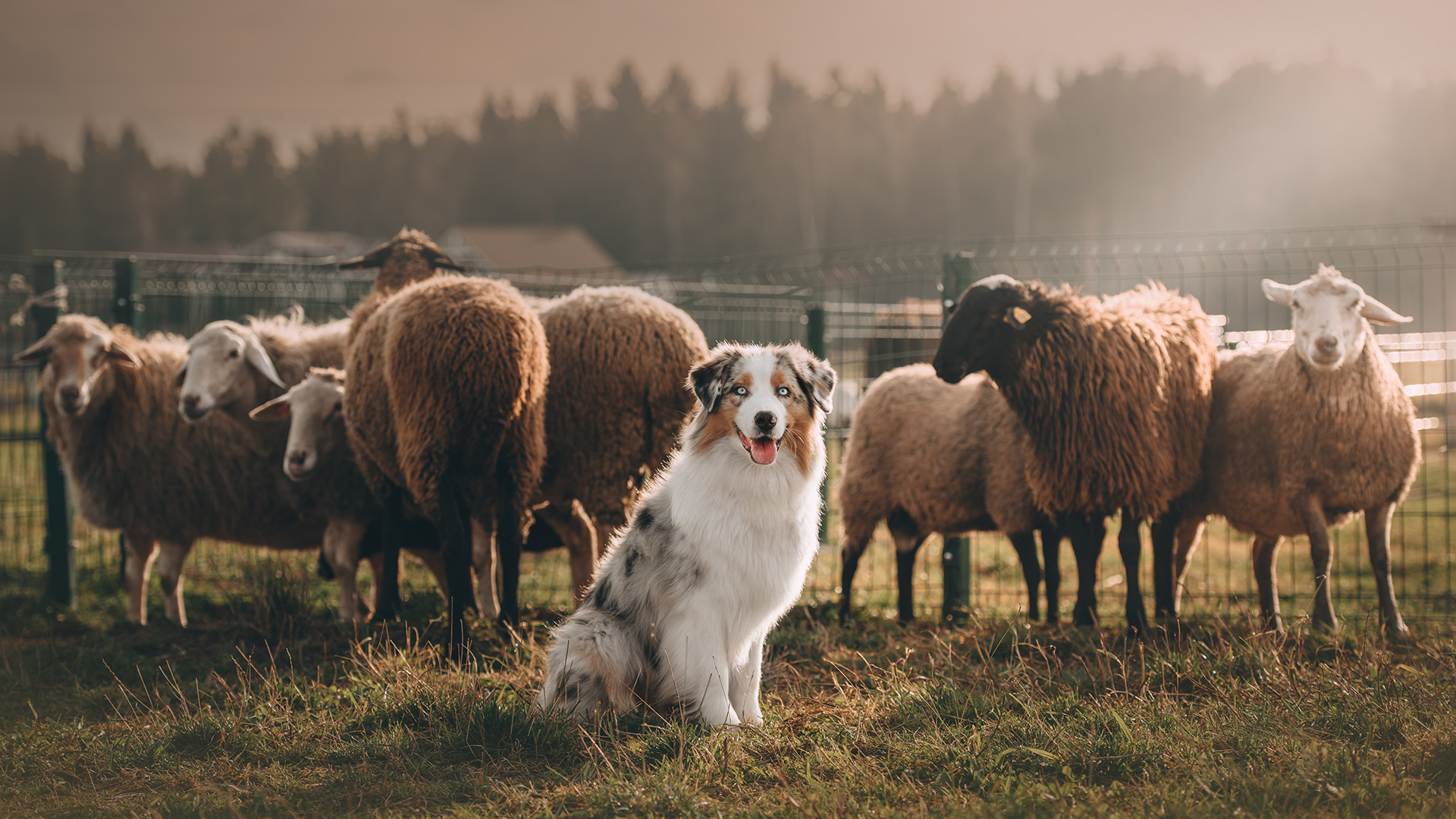
vHive is a strategic partnership which utilises data-driven innovation to enhance animal health outcomes.
Data-driven research is critical for disease prevention and the general improvement of animal health. The Veterinary Health Innovation Engine (vHive) is a strategic partnership between the University of Surrey and the largest global animal health company, Zoetis. It employs a multidisciplinary approach that focuses on data-driven innovation in the animal health sector.
vHive’s work focuses on a number of important areas across animal health, including chronic diseases, immunotherapies, infectious diseases, quality of life, ageing companion animals, sustainability and One Health, AI and machine learning, and biobanking and laboratory information management systems. The Innovation Platform spoke to the experts at vHive to learn more about their work.
Can you explain more about vHive and how it works to improve animal health?
vHive’s goal is to take data and information and transform them into actionable insights and real-world solutions, to accelerate innovation in animal health. Due to our unique partnership, vHive provides a multidisciplinary approach, blending academia with industry to provide outcomes for both livestock and companion animals. Through the expertise within the vHive team, we can adopt a ‘One Health’ approach, lifting and shifting knowledge from human and animal medicine for translational research opportunities.
vHive is also home to the first livestock and companion animal health Incubator. The vHive Incubator is designed to support early-stage start-ups and entrepreneurs in animal health by providing access to resources, training, and expertise in areas such as business planning, product development, and commercialisation.
What are your key priorities/focus areas for encouraging innovation in animal health?
vHive’s focus areas for research encompass data analytics and informatics, translational research, and start-up incubation. By harnessing AI and big data, we generate actionable insights for veterinary decision making. Our team’s multidisciplinary expertise provides opportunities to overcome translational gaps to develop new products and approaches to clinical practice. In addition, we support early-stage start-ups to push forward innovation, rapid experimentation, and cross-disciplinary collaboration to target unmet needs in the industry.

Can you share some recent highlights or achievements from your work?
We are very proud of the success that the vHive Incubator has shown since its inauguration in 2023, onboarding 24 companies over four cohorts, with 14 specialist mentors, and a network of over 70 organisations across investment, government, academia, and industry support.
A highlight from our work is the publication of several research papers that explore key challenges in veterinary health innovation; all of which can be found on our website. One example is our recent paper exploring chronic kidney disease (CKD) in cats and dogs by applying text-mining techniques to compare veterinary literature with that of human CKD research. Here, we identified gaps in veterinary knowledge, highlighted underexplored areas, and suggested a new direction of research based on trends in human medicine. You can read the full paper here.
In addition to this, we are in the process of establishing the vHive Biobank: a collection of animal biological samples and clinical and biomedical data to be used for research purposes. This will be built with a state-of-the-art laboratory information management system (LIMS) to provide researchers with easily accessible samples, streamlining sample collection for studies.
We also host events to address topical issues in animal health which provide a valuable platform for open discussion, knowledge exchange, and development of new research opportunities. Our events bring together industry professionals from a range of sectors, including academics, clinicians, industry experts, and innovative entrepreneurs to explore emerging challenges and spark collaborative solutions.
Can the government do more to support innovation in the animal health sector?
There is always more that can be done to support innovation in the animal health sector, particularly compared to the higher levels of funding and infrastructure available to the human health sector.
Despite the clear translational potential, animal health often remains underfunded and under prioritised – an imbalance that is concerning given the rise of zoonotic diseases. This highlights a critical need for integrated health approaches across species – further investment in innovation in animal health would provide the opportunity for improving animal welfare in addition to strengthening public health via a One Health approach.