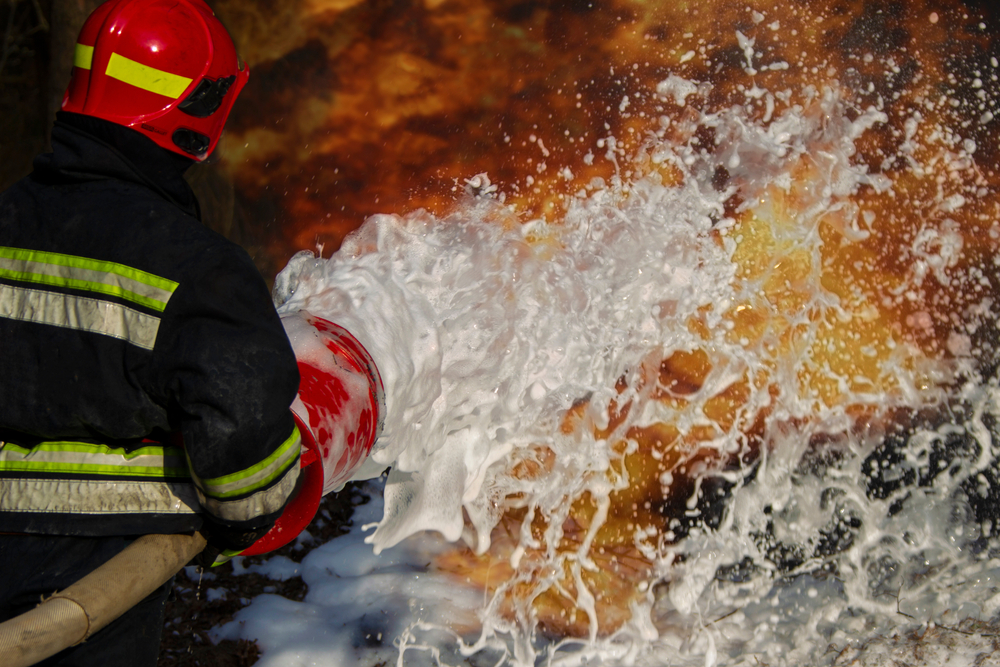
A new US study has shed light on why firefighters experience disproportionately high levels of PFAS exposure, identifying specific occupational practices and demographic factors that contribute to elevated concentrations of these persistent chemicals in their bodies.
Conducted by researchers from the University of Arizona and Arizona State University, the research analysed data from the Fire Fighter Cancer Cohort Study, one of the greatest efforts to examine long-term health risks in the fire service.
The findings provide important direction for reducing chemical exposure in a profession already burdened with significant health hazards.
Why PFAS exposure matters for firefighters
Per- and polyfluoroalkyl substances, commonly known as PFAS, are a large group of manufactured chemicals valued for their resistance to heat, water, and oil.
They are widely used in firefighting foams, protective gear, and numerous consumer products. Because they do not easily break down, PFAS accumulate in the environment and in human blood over time.
Scientific evidence has linked PFAS exposure to immune system disruption, hormonal interference, and increased risk of certain cancers.
Firefighters consistently show higher blood serum PFAS levels than the general population, largely due to repeated contact with contaminated equipment, smoke, and fire suppression materials.
Fireground practices linked to higher PFAS levels
The study found that everyday fireground routines play a major role in determining PFAS exposure.
Handling contaminated turnout gear, storing equipment without proper isolation, and inconsistent decontamination procedures were all associated with increased PFAS concentrations in firefighters’ blood.
These results suggest that exposure does not stem from a single incident, but from cumulative contact over years of service.
Small operational decisions, such as where gear is stored or how quickly it is cleaned, can have long-term consequences for chemical body burden.
Demographics and career factors also play a role
Beyond workplace practices, the research identified demographic and career-related indicators that predicted PFAS levels.
Length of service, specific job roles, rank, and certain lifestyle behaviours were all associated with variations in PFAS exposure.
This highlights that chemical exposure is shaped by a combination of professional duties and personal factors, reinforcing the need for tailored prevention strategies rather than one-size-fits-all solutions.
Pathways to reducing occupational risk
The findings point to practical opportunities for intervention. Improved decontamination protocols, revised gear-handling policies, and updated departmental guidelines could significantly reduce PFAS exposure among firefighters.
Importantly, the study’s results are already being shared directly with fire departments, allowing research insights to translate into immediate action.
By identifying clear predictors of PFAS accumulation, the study supports evidence-based policy changes at local, state and federal levels.
As awareness grows, these insights may help safeguard firefighter health while strengthening long-term occupational safety standards across the fire service.