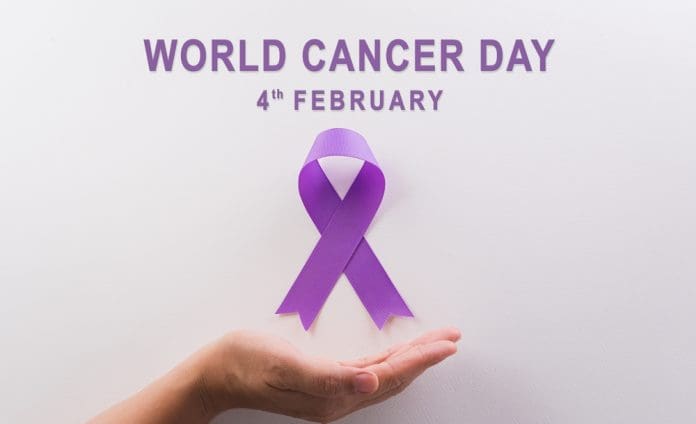
Today, on World Cancer Day, the European Commission has unveiled an updated European Code Against Cancer, sending a clear message across the EU: many cancers can be prevented, and action starts now.
The revised Code, four years in the making, brings together the expertise of more than 60 leading public health specialists from across Europe.
Built on the latest scientific evidence, it offers clear, practical guidance tailored to European lifestyles, health systems and environmental realities.
The update was developed by the International Agency for Research on Cancer (IARC) on behalf of the Commission.
Olivér Várhelyi, Commissioner for Health and Animal Welfare, commented: “World Cancer Day is a moment to reiterate our firm commitment to tackling this devastating disease and supporting those affected by it.
“Unlocking the Cancer Plan’s full potential will lead to strengthened prevention, early detection and better access to treatment regardless of geography or income. It also means strengthening Europe’s strategic autonomy in the healthcare sector, accelerating research, supporting innovation and boosting investment.
“We have taken important steps in this direction, and the path ahead is clear: we must keep working to better protect our citizens, through prevention, robust and streamlined health policies in the EU.”
A disease that impacts every corner of Europe
Cancer remains one of Europe’s most serious health challenges. In 2024, an estimated 2.7 million people across the EU were diagnosed with cancer, and around 1.3 million lost their lives to the disease.
The human cost is immense, affecting families, communities and workplaces across the continent.
The economic impact is equally stark. Cancer is estimated to cost Europe around €100bn each year through healthcare spending, lost productivity and long-term care. Yet experts stress that a significant proportion of this burden is preventable.
From evidence to everyday action
Marking World Cancer Day, the Commission is placing prevention firmly in the spotlight. The updated European Code Against Cancer focuses on how everyday choices – combined with strong public health policies – can significantly reduce cancer risk.
The guidance addresses a wide range of factors, from vaccination and participation in cancer screening programmes to breastfeeding, alcohol consumption, exposure to air pollution and the growing concern around ultra-processed foods.
By translating complex science into practical advice, the Code aims to empower citizens while supporting policymakers in creating healthier environments.
Shared risks, shared solutions
Many cancer risk factors overlap with those driving other non-communicable diseases, particularly cardiovascular conditions. This means that prevention efforts can deliver multiple health benefits at once.
The European Code Against Cancer works hand in hand with initiatives such as the Safe Hearts Plan. By tackling shared risk factors, experts estimate that up to 40% of cancer cases, and as many as 80% of premature heart attacks and strokes, could be avoided.
Five years of Europe’s beating cancer plan
This World Cancer Day also marks five years since the launch of Europe’s Beating Cancer Plan.
Since its introduction, more than €2.7bn has been invested in prevention, early detection, treatment, care and improving quality of life for people living with and beyond cancer.
Nearly 630 organisations now work with the European Commission under the Plan, alongside the EU Cancer Mission, to deepen understanding of the biological, environmental and social drivers of cancer and to accelerate research across Europe.
Turning cancer awareness into impact
To mark World Cancer Day and the launch of the updated Code, the Commission is hosting a high-level webinar today that brings together experts, policymakers, and stakeholders.
The goal is simple but urgent: turn guidance into action, and ensure that prevention becomes a cornerstone of Europe’s fight against cancer.