Millions of social housing tenants across England will now be protected by tougher new housing safety rules as the first phase of Awaab’s Law comes into force today.
The landmark legislation compels social landlords to take swift and decisive action against dangerous living conditions – a move hailed as a major step forward in tenant safety and housing accountability.
The law covers all four million social rented homes in England, ensuring that tenants no longer have to wait months or even years for urgent repairs.
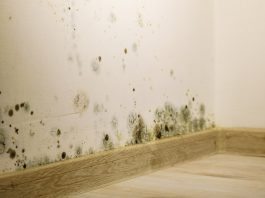
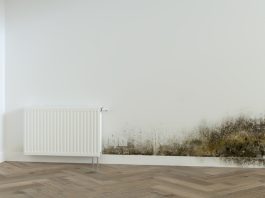
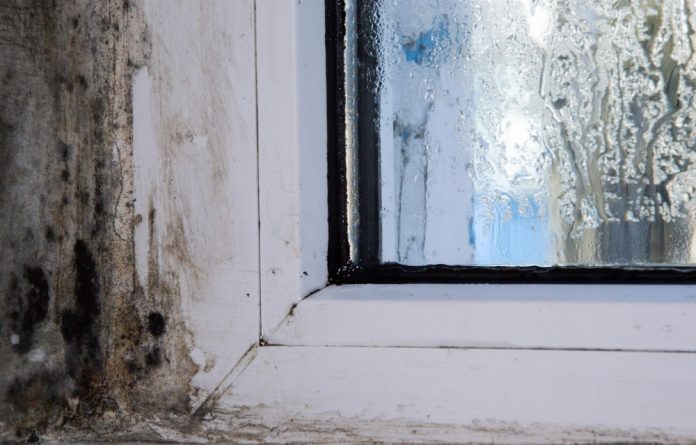
The new rules mandate that emergency hazards must be fixed within 24 hours of being reported, while serious damp and mould issues must be investigated within 10 working days and made safe within five.
Landlords are also required to inform tenants of inspection findings within three working days and provide alternative accommodation if properties cannot be made safe within the set timeframes.
A legacy born from tragedy
Awaab’s Law is named in honour of two-year-old Awaab Ishak, who tragically died in 2020 after prolonged exposure to black mould in his Rochdale home.
His death exposed severe failings within the social housing sector and prompted national outrage, sparking a campaign led by his family to prevent similar tragedies.
The new rules aim to ensure that no other child or family suffers the same fate.
Commenting on the landmark law, Housing Secretary Steve Reed said: “Everyone deserves a safe and decent home to live in, and Awaab Ishak is a powerful reminder of how this can sadly be a matter of life or death.
“Awaab’s family has fought hard for change, and their work to protect millions of tenants’ lives will live on as a legacy to their son.
“Our changes will give tenants a stronger voice and force landlords to act urgently when lives are at risk, ensuring such tragedies are never repeated.”
Health dangers of damp and mould
Experts warn that damp and mould are far more than cosmetic issues – they pose serious risks to both physical and mental health.
Prolonged exposure can lead to respiratory illnesses, such as asthma and bronchitis, and can exacerbate existing health conditions.
Children, older people, and those with weakened immune systems are particularly vulnerable.
Studies have shown that living in mould-infested conditions can cause chronic coughing, skin irritation, and even neurological symptoms in severe cases.
Mental health is also affected, with many tenants reporting stress, anxiety, and sleep disruption due to the persistent damp and the frustration of feeling ignored by landlords.
Awaab’s Law directly addresses these risks by setting clear, enforceable deadlines to tackle mould at its source.
Holding landlords accountable
Landlords who fail to meet the new standards will face serious legal consequences, including court enforcement orders, compensation claims, and potential loss of rent if homes are deemed uninhabitable. The government has made it clear that excuses and delays will no longer be tolerated.
This shift marks a significant change in how housing safety is policed, placing the burden of responsibility squarely on landlords to act quickly and transparently when hazards arise.
Empowering tenants and building the future
Alongside Awaab’s Law, the government has launched a £1m fund to strengthen the voice of tenants and improve communication with landlords.
Grants of up to £100,000 will be awarded to innovative projects, such as digital engagement platforms, public awareness campaigns, and tenant liaison roles designed to replace outdated and ineffective communication systems.
Further phases of Awaab’s Law are set to roll out through 2026 and 2027, broadening protections to cover additional health and safety risks.
A turning point for social housing
As Awaab’s Law takes effect, it signals a clear message: tenants deserve safe, healthy homes – and landlords must deliver them.
What began as a family’s fight for justice has now become a defining moment in housing reform, transforming the way social housing is managed across England and safeguarding millions of lives for generations to come.