Scientists from Italy’s Catholic University of Piacenza have discovered a group of soil-dwelling bacteria capable of breaking down PFAS chemicals, toxic compounds notorious for their resistance to degradation.
The research offers promising new strategies to combat widespread pollution caused by these “eternal pollutants,” which are linked to serious environmental and health risks.
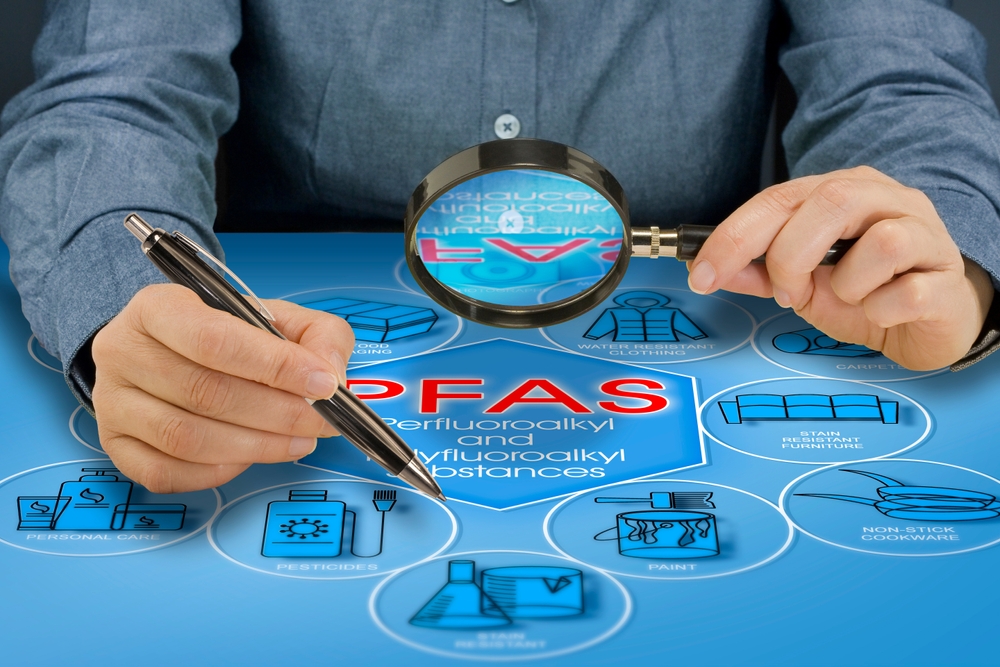
PFAS (per- and polyfluoroalkyl substances) are synthetic chemicals found in everyday items such as non-stick cookware, cosmetics, food packaging, and cleaning products.
Their durability and water- and oil-repellent properties have made them a staple in industrial applications since the 1940s, but also a persistent threat to ecosystems and human health.
Uncovering solutions in contaminated soil
The research, spearheaded by Professor Edoardo Puglisi from the Faculty of Agricultural, Food and Environmental Sciences at the Catholic University, focused on PFAS-contaminated sites in the Veneto region, particularly the provinces of Vicenza and Padua.
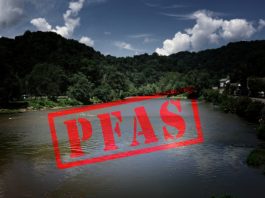
These areas have been grappling with severe PFAS contamination, with concentrations in water sources exceeding 1,000 ng/L – likely the result of decades of industrial discharge.
Working in collaboration with the University of Padua, the team isolated about 20 unique bacterial strains from affected soil.
These microbes demonstrated the remarkable ability to use PFAS chemicals as their sole carbon source, essentially “feeding” on the pollutants.
How the bacteria were identified
To identify these promising microbes, the scientists combined traditional microbiology methods with advanced metabarcoding – a genetic sequencing technique that reveals the full microbial diversity in environmental samples.
Through a targeted process known as “enrichment,” bacteria were cultivated in lab conditions where PFAS chemicals were the only available energy source.
Genome sequencing of the isolated bacteria revealed their classification within known bioremediation genera such as Micrococcus, Rhodanobacter, Pseudoxanthomonas, and Achromobacter.
These bacteria are not only safe to handle in laboratory settings but also easy to cultivate, making them suitable candidates for future environmental applications.
A high rate of degradation
Laboratory tests measuring the breakdown rates of PFAS chemicals showed promising results. In some cases, these microbes achieved degradation rates exceeding 30% – a significant achievement for a class of compounds considered nearly indestructible.
The next phase of research will focus on testing the bacteria under more realistic environmental conditions.
These experiments aim to evaluate their efficiency in degrading different types of PFAS and to explore the genetic mechanisms behind their capabilities.
A sustainable future for PFAS remediation
The discovery of these PFAS-degrading bacteria marks a major milestone in the quest for eco-friendly solutions to chemical contamination.
With further development, this research could lead to scalable biotechnological applications, including engineered bacteria or bioaugmentation strategies to detoxify affected soils and water systems.
As PFAS chemicals continue to pose global environmental and public health challenges, this pioneering work provides a much-needed glimmer of hope for sustainable remediation efforts.