

In partnership with The Goldfields Group of Companies we take a look at the strategic importance of the raw materials supply chain in Canada and what is being done to secure it.
Raw materials form the backbone of modern economies.
From critical minerals like lithium, cobalt, and rare earth elements to basic industrial inputs like copper and steel, their availability directly influences national security, economic stability, green transitions, and technological innovation.
As global demand rises and geopolitical tensions increase, securing supply chains for these raw materials has emerged as a central strategic priority for nations and corporations alike.
Why Critical Minerals are the Foundation of the Clean Energy Transition
As the world races to meet climate targets and transition away from fossil fuels, there’s a growing recognition that the clean energy revolution hinges on something much deeper than solar panels and electric cars — it hinges on the minerals beneath our feet.
Critical minerals such as lithium, nickel, copper, and rare earth elements are the building blocks of clean energy technologies. Without them, there is no energy transition.
The Nova Scotia Prospectors Association
Promoting, Educating, and Representing the Interests of Nova Scotia Prospectors.
What are Critical Minerals?
Critical minerals are raw materials that are essential to modern technology and the economy but face a high risk of supply disruption. In the context of clean energy, these minerals enable the manufacturing of:
- Electric vehicle (EV) batteries
- Solar photovoltaic (PV) panels
- Wind turbines
- Grid infrastructure and transmission lines
- Energy storage and fuel cells
Each mineral plays a unique role in the electrification of transportation, the decarbonisation of industry, and the modernisation of global energy systems.
Why Critical Minerals Matter for Clean Energy
Clean technologies are mineral-intensive. A single electric vehicle requires up to six times more mineral input than a gasoline-powered car. Wind turbines, especially offshore models, rely heavily on rare earth elements for high-efficiency magnets.
Here’s how some key minerals support the clean energy economy:
- Lithium & nickel: Core materials for lithium-ion batteries that power EVs and renewable energy storage.
- Copper: A highly conductive metal critical for electricity transmission, EV motors, and charging infrastructure.
- Rare earth elements: Used in permanent magnets for wind turbines and electric motors.
Cobalt & graphite: Integral to battery performance, stability, and longevity.
Without these materials, the clean energy supply chain grinds to a halt.
The Surge in Global Demand
The International Energy Agency (IEA) projects that demand for minerals like lithium, graphite, and cobalt could grow by 400–600% by 2040. As the world increases its reliance on clean energy technologies, supply security has become a strategic priority for governments and industries alike.
Why Raw Materials Matter Strategically
Economic Leverage
Countries with resource endowments can influence global markets (e.g., China in rare earths, Russia in gas).
Technological Dependency
Key industries such as batteries, semiconductors, and defence systems rely heavily on rare and specialised inputs.
Energy Transition
Green technologies – EVs, wind turbines, and solar panels – require minerals like lithium, cobalt, and nickel in large volumes.
Supply Chain Fragility
Supply chains are susceptible to disruptions from pandemics, wars, and trade restrictions.
Key Challenges in Raw Material Supply Chains
Concentration Risk
A few countries dominate the extraction or processing of critical materials (e.g., over 60% of cobalt from the DRC).
Lack of Transparency
Many raw material supply chains are opaque, making it hard to trace origins and enforce standards.
Logistical Bottlenecks
Ports, rail networks, and customs delays can significantly slow delivery cycles.
Strategic Approaches to Secure Supply
Diversification of Sources
Building trade ties with multiple supplier nations and encouraging domestic mining or resource development is vital. Canadian mining companies, such as The Goldfields Group of Companies, are playing a crucial role in this effort – offering reliable, ESG-aligned access to critical minerals like lithium, graphite, and rare earth elements.
Stockpiling & Strategic Reserves
Governments and companies stock essential materials to buffer short-term shocks.
Circular Economy & Recycling
Recovering rare materials from end-of-life products can reduce dependency on virgin mining.
Vertical Integration
Companies (especially in the tech and automotive sectors) are acquiring upstream mining interests.
Innovation & Substitution
Research into alternatives (e.g., cobalt-free batteries) to reduce demand for scarce resources.
Alliances & Trade Agreements
Multilateral agreements to stabilise supply and ensure ethical sourcing (e.g., EU Raw Materials Alliance, US Indo-Pacific strategy).
Recent Global Developments
- EU Critical Raw Materials Act: Aims for 10% local production and diversified imports.
- US Inflation Reduction Act (IRA): Promotes domestic sourcing of battery materials.
- China’s export controls: On gallium and germanium highlight vulnerabilities for the West.
- Australia-India-Japan cooperation: Building resilient Indo-Pacific mineral supply chains.
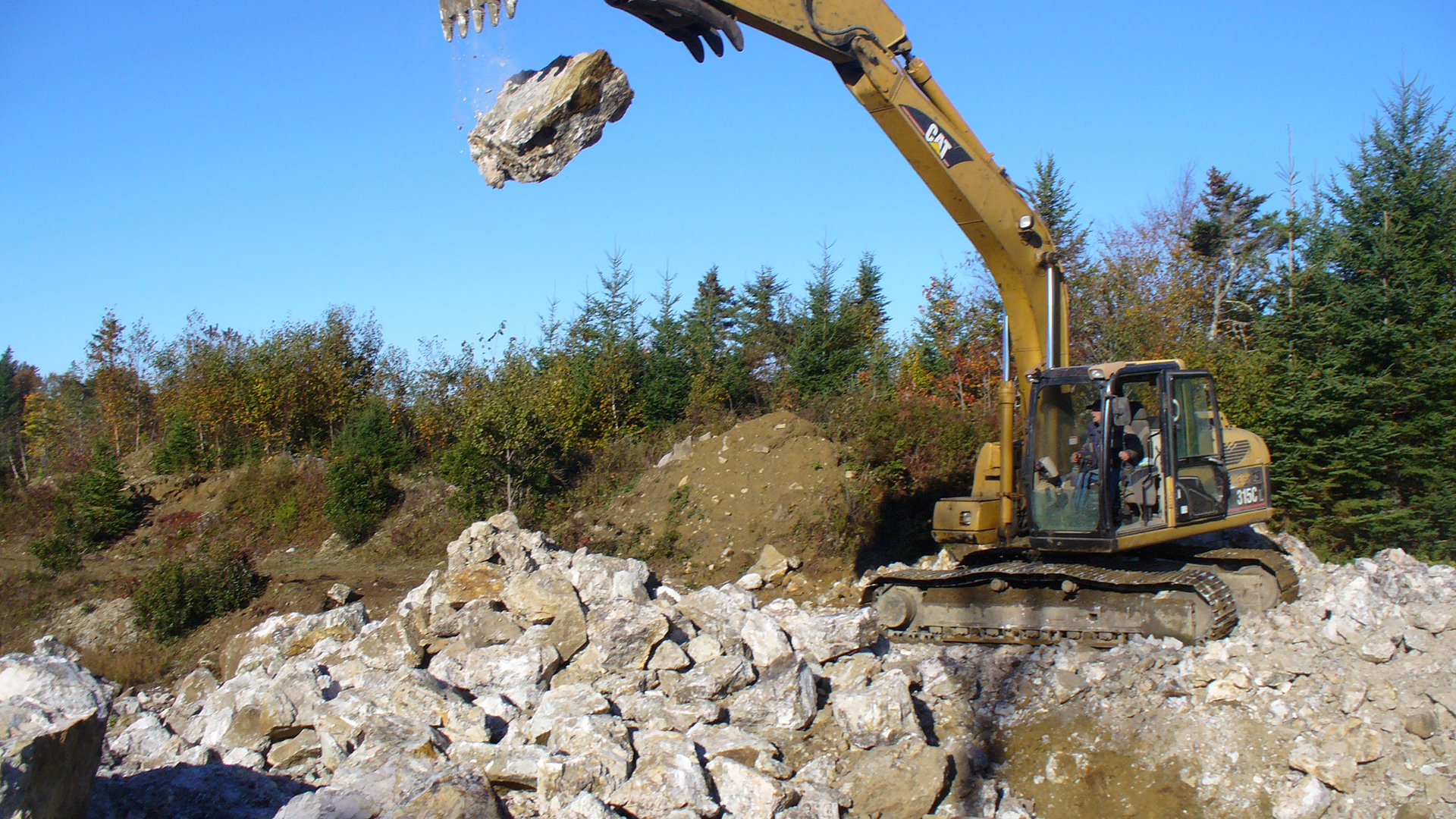
Goldfields Locations

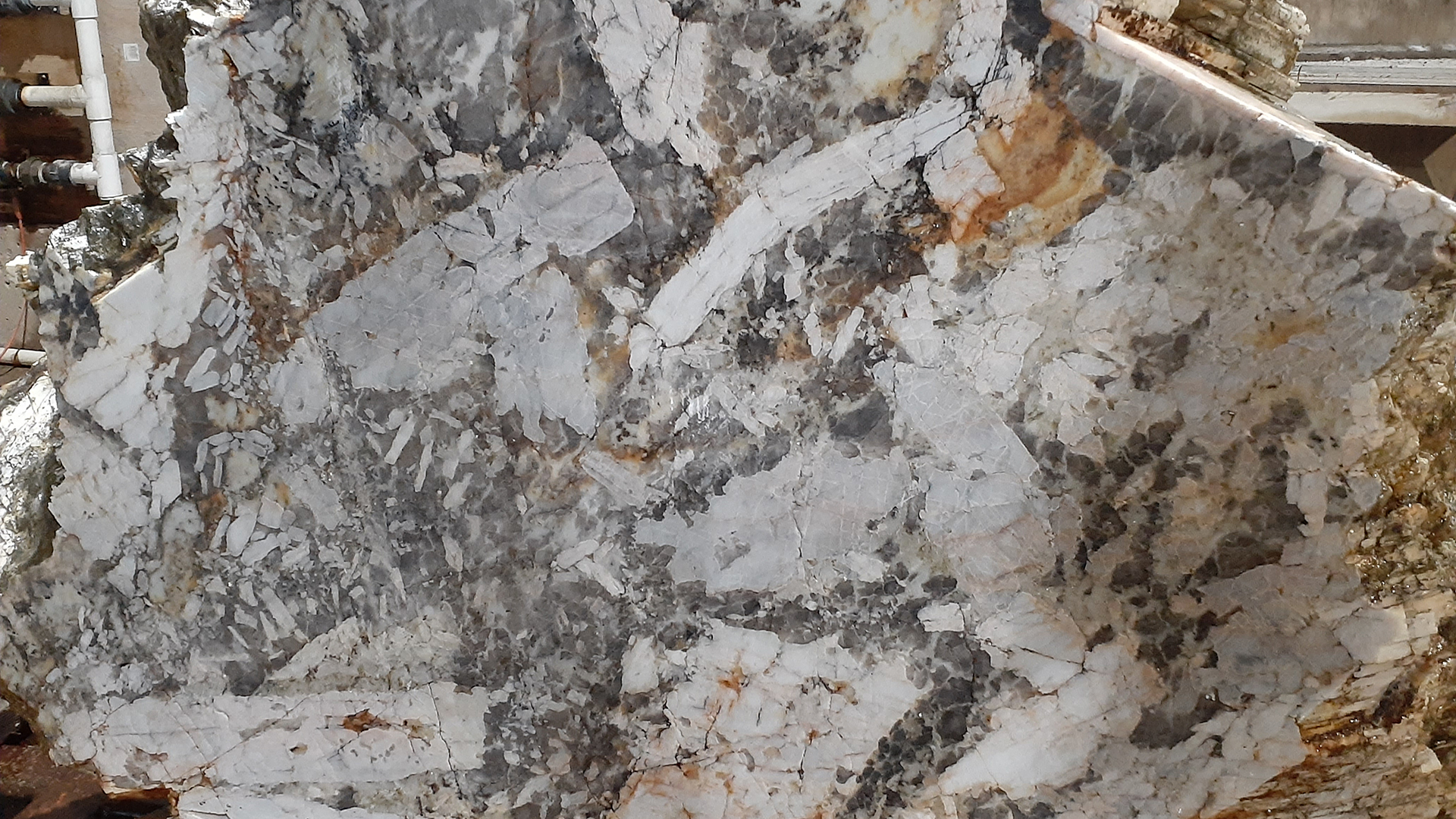
Goldfields Gallery
Canada’s Role in a Global Supply Chain
Canada is home to vast reserves of many critical minerals and is poised to become a global leader in clean energy mineral supply. With robust environmental standards, world-class mining expertise, and a commitment to responsible development, Canada offers a secure and sustainable alternative to more volatile supply chains.
At The Goldfields Group of Companies, we’re proud to support this national mission by developing and supplying the critical minerals needed for a net-zero future — responsibly, transparently, and with long-term impact in mind.
The Goldfields Group: Mining for the Clean Energy Future
Our operations focus on the exploration and production of key energy transition minerals such as:
- Lithium for next-gen batteries
- Nickel for high-performance EVs
- Copper for large-scale electrification
- Rare earth elements for advanced wind and motor technologies
Through a combination of ESG-driven mining practices, Indigenous partnerships, and investment in innovation, we are helping build a cleaner and more resilient future — one mineral at a time.
The Path to Net-Zero Begins Below the Surface
The raw materials landscape is shifting toward greater strategic nationalism, green industrial policy, and technological innovation. Nations that effectively align resource security with sustainability goals will lead the next phase of industrial transformation.
The future of clean energy isn’t just about solar and wind — it starts with the critical minerals that make those technologies possible.
At The Goldfields Group, we believe that responsible mineral development is one of the most important climate solutions of our time. As demand continues to grow, we remain committed to being a trusted Canadian source for the minerals that power the energy transition.
