In a landmark move set to transform livestock farming across England, the government has announced sweeping changes to how cattle are identified and tracked – ushering in a new era of digital agriculture.
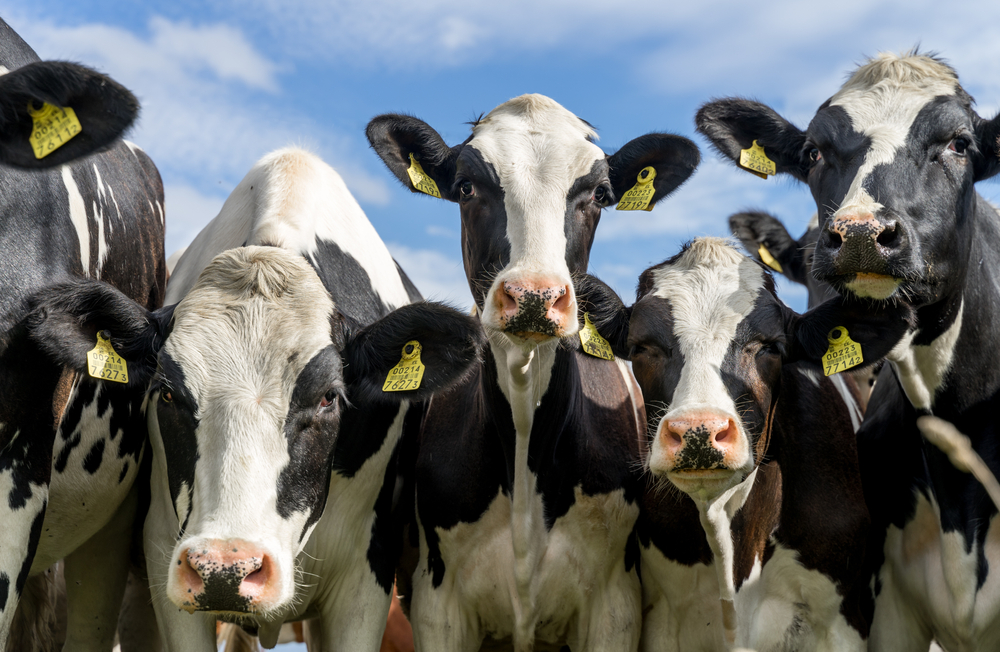
By 2027, all newborn calves in England must be fitted with electronic ID (eID) tags, replacing outdated manual systems with cutting-edge scanning technology.
The announcement, made today by Defra, promises to revolutionise disease control, simplify regulation, and unlock new opportunities for trade and productivity in the farming sector.
Commenting on the introduction of electronic ID, UK Chief Veterinary Officer Dr Christine Middlemiss said: “Electronic identification is a game-changer for disease traceability.
“It allows for faster, more accurate tracking of cattle movements, which is crucial in responding to outbreaks and maintaining our high biosecurity standards.
“This shift puts England in step with best global practice, and today’s early confirmation will provide the livestock industry the clarity it needs to begin preparing now – ensuring that the right tags, readers and systems are available at scale ahead of rollout.”
Electronic ID to become the new standard
From 2027, electronic ID using low frequency (LF) technology will be a legal requirement for all newborn calves in England.
These eID-enabled ear tags will allow animals to be scanned digitally as they move through farms, markets, and abattoirs – eliminating the need for manual tag number entry and reducing the likelihood of error.
This modernised approach will enhance the UK’s capability to detect, prevent, and control outbreaks of animal disease, thereby safeguarding the rural economy.
The move aligns England with global best practices in livestock traceability and provides a significant leap forward in both biosecurity and trade capability.
New digital reporting system to ease burden on farmers
Supporting the introduction of eID, Defra will launch a streamlined digital cattle movement reporting system.
This new platform is designed to be user-friendly for farmers, abattoirs, markets, and regulators alike. By simplifying current regulatory processes, the system will help improve compliance while cutting administrative red tape.
Additionally, Defra has pledged a more proportionate approach to enforcement, offering keepers opportunities to rectify issues before formal actions are taken.
Strengthening biosecurity and boosting trade
The announcement comes on the heels of a series of government investments and initiatives aimed at strengthening the UK’s animal health infrastructure.
This includes a £200m upgrade to the UK’s primary veterinary research and testing centre at Weybridge and the launch of free annual on-farm vet visits for livestock farmers in England.
These visits will provide tailored animal health and welfare advice, as well as biosecurity assessments.
Defra’s reforms are also expected to reinforce the UK’s trading position following the recent UK-EU sanitary and phytosanitary (SPS) deal.
The introduction of a more robust electronic ID system will reduce trade friction and enhance the export capabilities of English livestock businesses.
eID backed by industry support
Today’s changes reflect feedback from the UK Government’s 2023 Cattle Identification Consultation, which showed broad industry backing for the new measures.
Farmers and stakeholders recognised the long-term benefits of digital transformation in animal identification and traceability.
With electronic ID now at the heart of the UK’s cattle management strategy, the future of farming looks not only more efficient but more resilient and globally competitive.