The European Commission has adopted sweeping new restrictions on the use of PFAS in firefighting foams, marking a major step in its ongoing battle against “forever chemicals.”
The move, enacted under the EU’s REACH Regulation — its flagship chemical safety law — aims to dramatically cut PFAS emissions and safeguard both public health and the environment.
Stéphane Séjourné, Executive Vice-President for Prosperity and Industrial Strategy, highlighted the significance of the move: “With this step to restrict the use of PFAS in firefighting foams, we are protecting both people and the environment from these forever chemicals, while ensuring fire safety is not compromised.
“This is an important milestone on our path to a toxic-free environment and a more sustainable future for Europe.”
Why PFAS in firefighting foams are a growing concern
PFAS (per- and polyfluoroalkyl substances) have long been used in firefighting foams for their exceptional resistance to heat, oil, and water.
However, these same properties make them virtually indestructible in the environment. Known as forever chemicals, PFAS can persist for decades, leaching into soil, rivers, and groundwater.
Firefighting foams have been identified as a major source of PFAS pollution in Europe. Without intervention, an estimated 470 tonnes of these harmful substances would continue to enter the environment every year.
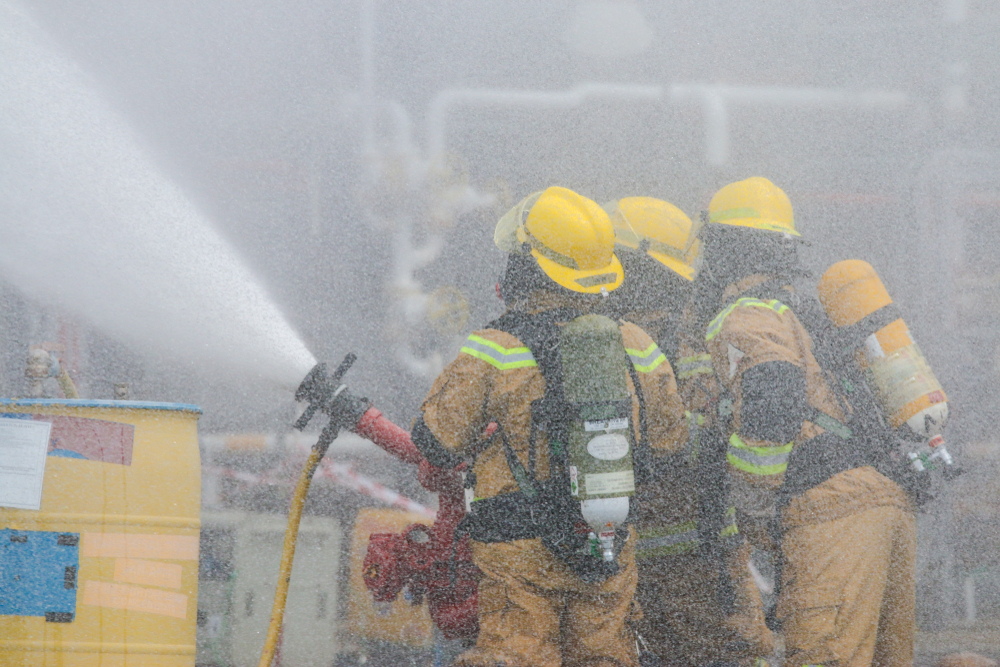
The new restriction seeks to put an end to this ongoing contamination, which has also posed significant risks to firefighters regularly exposed to the foams during training and emergency operations.
Health and environmental impacts of PFAS
The health implications of PFAS exposure are increasingly alarming. Studies have linked these substances to cancer, immune system suppression, liver and kidney damage, and developmental issues in children.
Because PFAS accumulate in the human body over time, even small doses can become toxic after prolonged exposure.
Environmentally, PFAS are equally insidious. Once released, they migrate through water systems, contaminating drinking water supplies and disrupting aquatic ecosystems.
Cleanup is extremely difficult and costly, prompting EU regulators to prioritise prevention over remediation.
Transitioning to PFAS-free firefighting solutions
The Commission’s decision paves the way for a full transition to PFAS-free firefighting foams across the EU.
These safer alternatives are already available and proven effective, though some sectors will need additional time to adapt.
To support a smooth shift, the regulation includes transition periods ranging from 12 months to 10 years, depending on the use case.
This phased approach balances environmental urgency with industrial feasibility, ensuring critical firefighting operations can continue without compromise.
Jessika Roswall, Commissioner for Environment, Water Resilience and a Competitive Circular Economy, added: “This ban on all PFAS in firefighting foams is good news for the environment and public health. Around 60% of firefighting foams contain PFAS.
“This has led to many cases of contamination of soil and water, including drinking water. This is an important step forward to tackle PFAS pollution across Europe.”
A landmark step in EU chemical safety policy
The restriction is based on the scientific assessments of the European Chemicals Agency (ECHA) and has been approved by both the European Parliament and the Council. Once published in the Official Journal of the EU, it will come into force 20 days later.
This measure represents one of the EU’s most significant actions yet to eliminate PFAS emissions, reinforcing its commitment to a toxic-free environment and protecting future generations from the lasting legacy of forever chemicals.