The European Union has begun implementing a major overhaul of how PFAS in drinking water are monitored and controlled, marking a significant step in protecting public health and safeguarding water resources across the bloc.
The changes stem from the recast Drinking Water Directive, which introduces EU-wide standards for tracking and reducing harmful chemical pollutants.
Commenting on the landmark rules, Jessika Roswall, Commissioner for Environment, Water Resilience and Competitive Circular Economy, said: “PFAS pollution is a growing concern for drinking water across Europe.
“With harmonised limits and mandatory monitoring now in force, Member States have the rules and tools to swiftly detect and address PFAS to protect public health.”
Why are PFAS such a concern?
PFAS (per- and polyfluoroalkyl substances) are a large group of man-made chemicals often referred to as ‘forever chemicals’ because they do not easily break down in the environment or the human body.
They have been widely used in products such as non-stick cookware, waterproof clothing, firefighting foams and food packaging.
Scientific studies have linked long-term exposure to PFAS in drinking water to a range of health concerns, including liver damage, immune system suppression, developmental effects in children, and increased risks of certain cancers.
Their persistence means even low concentrations can build up over time, making proactive monitoring and prevention critical.
Harmonised monitoring across Member States
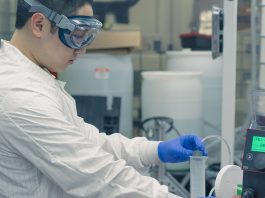
Under the updated rules, EU Member States are now required to monitor PFAS in drinking water using harmonised methods.
This ensures data is collected consistently across Europe and measured against newly established EU limit values. Countries must also report their findings to the European Commission, including any exceedances, pollution incidents, or approved derogations.
This marks the first time systematic monitoring of PFAS in drinking water has been mandated at EU level. Compared to the previous directive, the new reporting framework is streamlined, reducing administrative burden while improving oversight and transparency.
From law to practice: What the Directive changes
Adopted in 2020, the recast Drinking Water Directive required Member States to transpose its provisions into national law by January 2023.
Its overarching aim is to guarantee safer access to drinking water for all Europeans, aligning water policy with the EU’s Zero Pollution Action Plan and the Water Resilience Strategy.
If monitoring reveals that PFAS levels exceed legal limits, authorities are obligated to act swiftly. Measures may include shutting down contaminated wells, upgrading water treatment systems to remove PFAS, or restricting the use of affected water supplies. Importantly, the public must be informed whenever health-based limits are breached.
Technical guidance to support compliance
To support consistent implementation, the European Commission issued technical guidelines in 2024 outlining approved analytical methods for measuring both ‘PFAS Total’ and the ‘Sum of PFAS’ in drinking water.
Developed in close collaboration with Member States, the guidance is based on technical feasibility and socio-economic assessments, helping authorities apply the most effective monitoring techniques.
Strengthening the right to safe drinking water
By tackling PFAS in drinking water, the EU is directly advancing a core objective of its Water Resilience Strategy: ensuring the right to safe, clean drinking water.
The new rules also signal a broader commitment to addressing emerging pollutants before they pose irreversible risks to Europe’s water supplies and public health.