Europe’s leading animal-sector organisations are sounding the alarm over the escalating toll of animal disease, urging the EU to abandon its reactive crisis-management model in favour of a bold prevention-first strategy.
Partners from across Europe’s animal sector are calling for an urgent shift in how the EU confronts animal disease, arguing that prevention – not reaction – must become the cornerstone of future policy.
With outbreaks growing more severe and costly, industry leaders say the current reliance on mass culling is unsustainable for farmers, economies and animal welfare alike.
Mounting outbreaks highlight the cost of inaction
Recent years have exposed the staggering impact of poorly controlled animal disease outbreaks.
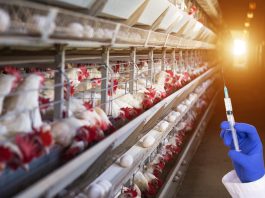
The World Organisation for Animal Health (WOAH) reports that between 2023 and 2025, more than 547 million poultry were lost to highly pathogenic avian influenza (HPAI).
The economic shockwaves have been equally severe: Germany estimates that a single 2025 case of foot-and-mouth disease (FMD) in buffalo triggered €1bn in losses when control measures and ensuing trade disruptions were factored in.
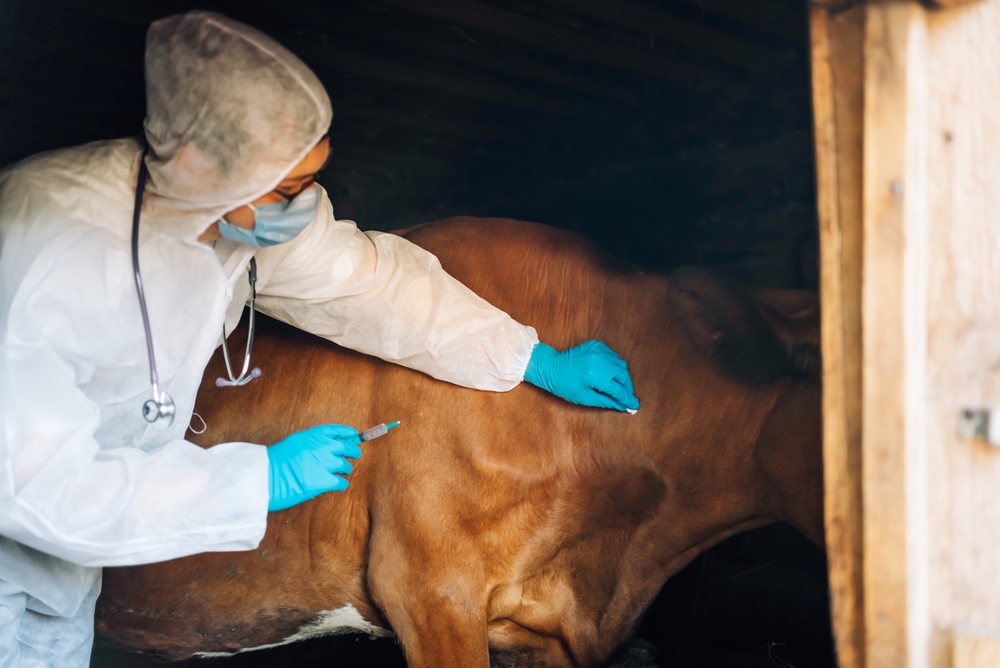
Sector partners stress that while not all diseases can be avoided, many devastating outbreaks could be prevented, or their impact dramatically reduced, through timely vaccination, strengthened surveillance and improved on-farm resilience strategies.
Global and European institutions call for a new approach
The coalition’s appeal mirrors recent recommendations from the European Parliament, European Council and WOAH, all of which have pressed for a decisive shift away from reactive culling-based models.
In a landmark May 2025 resolution, WOAH urged greater transparency, aligned standards and enhanced public-private cooperation to improve global vaccine access.
These steps support the UN Political Declaration on antimicrobial resistance, which calls for national animal vaccination strategies by 2030.
As stakeholders note, political and trade barriers too often hinder the use of existing tools – particularly vaccines – allowing preventable animal disease outbreaks to spiral into major crises.
A five-point plan for a preventive EU model
Animal sector organisations are now urging EU policymakers to adopt a comprehensive, prevention-first framework. Their recommendations include:
1. Strategic investment in prevention
Ensure harmonised, well-funded national strategies for surveillance, vaccination and disease control, while supporting nutrition and breeding programmes that improve animal resilience.
2. Stronger veterinary services
Guarantee effective implementation of Animal Health Law visits across all Member States, enabling tailored guidance on biosecurity, feeding strategies and vaccination planning.
3. Accelerated vaccine innovation
Facilitate rapid development and approval of new vaccines, including DIVA-compatible options, and maintain frequent dialogue between regulators and manufacturers.
4. International acceptance of preventive vaccination
Promote recognition of “disease-free with vaccination” status to ease trade restrictions and ensure policy keeps pace with scientific progress.
5. Culling only as a last resort
Replace mass culling, wherever feasible, with early-detection surveillance, robust biosecurity and targeted vaccination as the foundation of animal disease control.
A One Health imperative
Organisations representing farmers, veterinarians, breeders, feed producers, diagnostics companies and animal medicine manufacturers agree: preventive care is a smarter, more sustainable path for Europe’s farming communities.
They argue that embracing a One Health approach – linking animal, human and environmental health – is vital for long-term resilience and sustainable food production.
The coalition’s message is clear: Europe must enable, incentivise, and fully utilise every available tool to make animal disease prevention a strategic investment.
Only then can the principle of ‘prevention is better than cure’ become a reality for farms across the continent.