A major step forward in the fight against persistent water pollution is underway in Illinois, where a national laboratory and a local engineering firm have joined forces to develop a next-generation water treatment system that eliminates harmful PFAS chemicals.
The partnership links the research power of the Fermi National Accelerator Laboratory with the fabrication and engineering expertise of Lisle-based Proficio Consultancy, forming a team focused on developing a system that works seamlessly with electron beam accelerator technology.
Tackling PFAS with advanced science
PFAS – often referred to as “forever chemicals” – are widely used in everything from firefighting foams to household products.
Their molecular structure makes them exceptionally resistant to breakdown, allowing them to accumulate in soil, waterways, and even drinking water sources.
Growing evidence linking PFAS exposure to health concerns has intensified the search for effective removal methods.
Traditional filtration or chemical treatments often fall short, either failing to destroy PFAS or generating secondary waste. Electron beam technology, however, has emerged as a promising alternative.
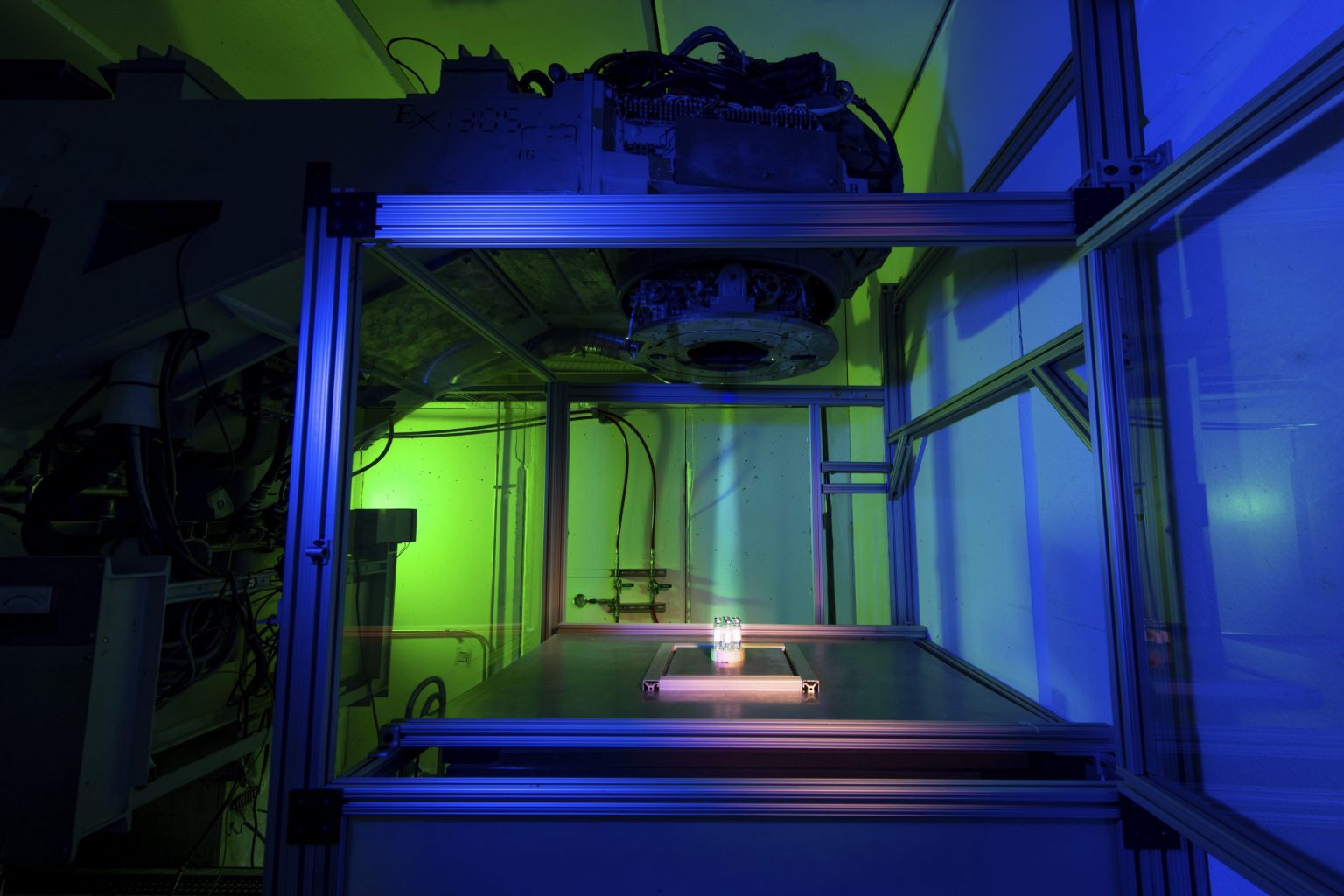
Researchers at the Illinois Accelerator Research Center (IARC), part of Fermilab, have been developing a compact superconducting accelerator capable of producing high-energy electrons that disrupt the chemical bonds at the heart of PFAS resilience.
Early studies at IARC show that targeted electron irradiation can fracture these carbon-fluorine links, rendering the resulting byproducts far less harmful.
A specialised system to prepare and refine water
To maximise the efficiency of electron beam treatment, the contaminated water must enter and exit the accelerator under tightly controlled conditions.
That is where Proficio Consultancy’s new water treatment skid comes into play. The firm is designing a modular system that prepares PFAS-laden water for irradiation and conditions it afterwards, ensuring the process is both safe and efficient.
The planned skid will integrate directly with Fermilab’s compact accelerator, supporting continuous water flow for real-time treatment. Its instrumentation will monitor and regulate key variables such as temperature, pH, dissolved oxygen, and feed rate.
By maintaining these parameters, the system ensures that the accelerator operates at peak performance, allowing PFAS molecules to be broken down as effectively as possible.
Engineers envision a unit flexible enough to adapt to various operating conditions, from small-batch laboratory tests to larger pilot-scale demonstrations.
That adaptability will allow the technology to evolve from a controlled research setup into a full-scale, deployable water treatment system capable of addressing contamination at industrial or municipal sites.
Paving the way for scalable environmental solutions
The collaboration represents more than a single engineering project. It highlights how national laboratories and small businesses can jointly advance environmental innovation, accelerating the transfer of cutting-edge research into real-world applications.
As IARC continues its mission to make Fermilab-developed technologies accessible to industry, solutions like electron beam PFAS destruction could soon become viable options for communities struggling with contaminated water supplies.
If successful, this emerging type of high-tech water treatment system could reshape how the nation confronts PFAS pollution – transforming an advanced accelerator into a practical tool for cleaner, safer water.