The global economy is operating at just 6.9% on the Circularity Metric, a ratio of resource reuse in comparison to the total material used, as defined by international think tank, Circle Economy.
An entrenched take-make-waste mindset continues depleting natural resources, damaging biodiversity, and accelerating climate change. As nations scramble to meet net-zero targets, the transformation of waste materials into valuable resources – turning waste into wealth – is both an environmental imperative and an economic opportunity.
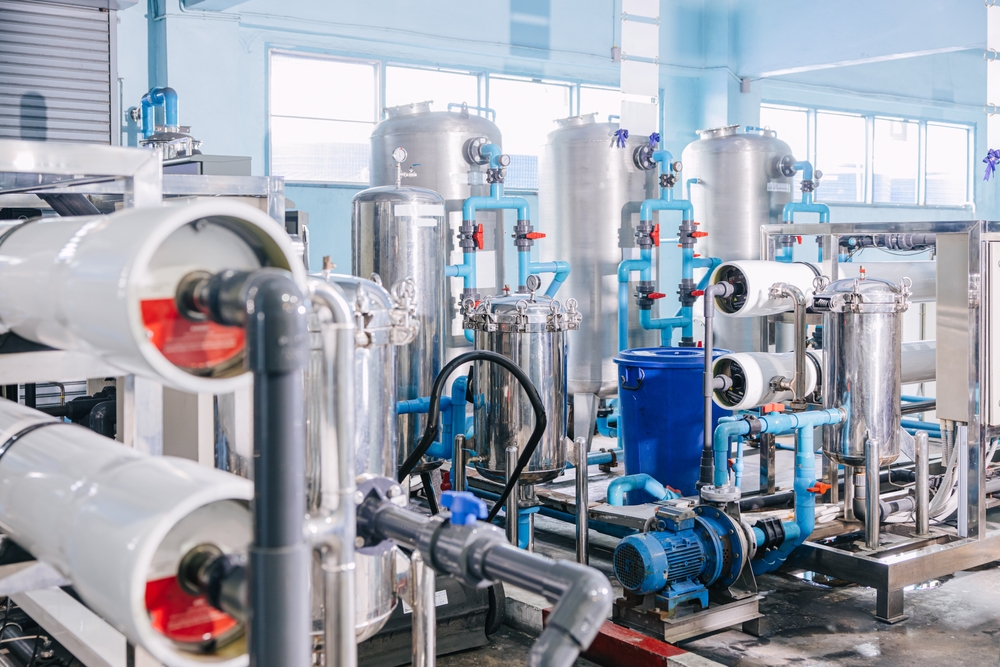
This transformation, however, requires sophisticated enabling technologies that often operate behind the scenes. Advanced filtration is one of these critical enablers, providing the capabilities that are essential for effective resource recovery at scale across multiple industries.
The following examples from experts at filtration specialists, Pall Corporation, demonstrate how these technologies unlock value from five major waste streams, creating new revenue opportunities while advancing decarbonisation goals across diverse sectors.
EV battery recycling: Recovering critical materials
Anoop Suvarna, Global Battery Materials Manager, Pall Corporation
The explosive growth in electric vehicle adoption creates both unprecedented opportunity and a necessity for battery material recovery. Global EV sales reached 17 million worldwide in 2024, rising by more than 25%, with battery demand expected to reach more than 3 TWh in 2030, up from 1 TWh in 2024. This surge intensifies pressure on critical materials including lithium, cobalt, and nickel – resources that are both environmentally costly to extract and geopolitically sensitive to source.
Regulatory frameworks are also driving the need for effective recycling solutions. The EU’s Battery Directive mandates lithium recovery rates of 50% by 2027 and 80% by 2031, with strict targets for recycled content and material recovery.
Advanced filtration technologies prove crucial across all three main recycling methods – direct recycling, pyrometallurgy, and hydrometallurgy – with hydrometallurgy emerging as the preferred approach due to higher material recovery rates, lower energy consumption, and reduced greenhouse gas emissions. In this process, crushed battery black mass undergoes acid treatment to dissolve target metals, requiring sophisticated filtration to separate insoluble graphite materials from metal-rich solutions.
The filtration systems deployed in subsequent recovery stages – chemical precipitation, solvent extraction, and adsorbent beds – directly determine both the purity and economic value of recovered materials.
By removing solid particles and contaminants while maintaining metal purity, advanced filtration enhances process efficiency, protects vital equipment, and maximises the economic incentive for recycling expansion.
Sustainable aviation fuel: Converting cooking oil to power aircraft
Rory Duncan, Global Market Manager, Oil & Gas, Pall Corporation
Aviation’s decarbonisation challenge will intensify as passenger traffic is projected to double from 9.5 billion in 2024 to 19.5 billion by 2042, with the sector currently accounting for 2.5% of global CO2 emissions and 4% of temperature rise since pre-industrial times. The European Commission’s ReFuelEU Aviation regulation mandates increasingly stringent targets on the use of sustainable aviation fuel (SAF) over the next 25 years, making production optimisation critical for industry compliance.
SAF production from waste cooking oil, animal fats, agricultural residue and other materials can reduce aviation emissions by up to 80% over its lifecycle compared to conventional jet fuel. However, unlike crude oil feedstocks, bio-based materials vary significantly in particle size, composition, density, and viscosity, containing water, solids, gels, and trace metals that can damage processing equipment if inadequately removed.
Advanced filtration technologies optimise SAF production at multiple critical stages. Pre-treatment requires membrane-based systems including microfiltration and ultrafiltration to remove suspended solids, emulsified water and contaminants, ensuring feedstocks meet stringent quality requirements. Depth filtration systems with high dirt-holding capacity process large volumes efficiently, while high-flow systems can extend operation from just two hours to a full week when processing highly contaminated vegetable oils.
Throughout conversion processes – whether via HEFA (hydroprocessing of esters and fatty acids), Fischer-Tropsch (FT) synthesis, alcohol-to-jet (AtJ), or catalytic hydrothermolysis (CH) – catalyst protection remains paramount, with filtration systems ensuring trace contaminant removal that could compromise expensive equipment. Final polishing steps deploy coalescers and high-flow filters to achieve water content below 100 ppm and meet aviation fuel particulate requirements, enabling SAF’s ’drop-in’ compatibility with existing aircraft engines and fuel infrastructure
Plastic waste to useable oil: Enabling chemical recycling at scale
Serhat Oezeren, Global Vertical Market Manager – Chemicals, Polymers and Plastics Recycling, Pall Corporation
Despite the inconclusive end to recent Global Plastics Treaty negotiations, many governments and organisations remain committed to tackling plastic pollution. Chemical recycling via pyrolysis is one promising option, complementing mechanical recycling due to its ability to process diverse plastic waste streams.
Pyrolysis involves thermochemical decomposition of waste at 400-600°C without oxygen, producing syngas and char. Char can be refined into recycled carbon black or activated carbon for uses such as pigmentation or beverage clarification, while syngas substitutes for natural gas or is processed into pyrolysis oil. This oil can replace petroleum, be blended with diesel, or be further refined for industrial fuel.
However, pyrolysis faces technical challenges, especially in contamination management. Mixed plastic waste contains complex combinations of polymeric and non-polymeric materials, including particles and downstream contaminants such as coke. Additional contaminants including organic gels, dissolved metals, and dispersed liquids require effective separation solutions.
Advanced filtration and coalescers are essential at multiple stages to remove particles and separate water from pyrolysis oil or liquids from gas streams. This not only purifies oil and gas for downstream processing but also prevents equipment fouling and reduces maintenance downtime, improving product quality and operational efficiency.
For converting pyrolysis oil into lighter olefins, the material must be transferred to steam crackers. Particles and metal contaminants in crude pyrolysis oils can significantly impact steam cracker furnaces and recovery sections, reducing run-time due to increased coking.
Depth filtration offers an efficient, cost-effective solution for removing harmful contaminants and reducing contamination to levels acceptable for crude naphtha feed in steam crackers.
Carbon capture, storage and utilisation: Purification for process optimisation
Julian Plumail, Global Market Manager – Carbon Capture, Pall Corporation
Carbon capture, utilisation, and storage (CCUS) is at a pivotal point in global decarbonisation, representing the most feasible technology for hard-to-abate sectors such as cement, steel, and chemicals. CCUS is projected to grow by up to 24% over the next five years, reaching nearly $13bn by 2030. The World Economic Forum notes that policy-driven growth could lower costs by about 14% by 2030, mainly through reduced capital, transport, and storage expenses.
However, implementation faces major challenges, including lengthy permitting for underground sequestration, which can take up to six years. Removing impurities from captured CO2 – such as sulfur dioxide, nitrogen oxide, oxygen, and water – remains a critical operational challenge, directly affecting efficiency and economics. These contaminants disrupt operations, reduce capture efficiency, damage equipment, and increase maintenance costs. Without proper purification during transport or conversion, pipeline corrosion and unwanted reactions become severe risks.
Advanced filtration and separation technologies are essential throughout the CCUS value chain, especially for absorptive carbon capture, the most economical and mature method. High-performance coalescers improve compressor operation by removing liquids and particulates, while high-efficiency filters at reservoir inlets prevent fouling and maintain purity for long-term storage.
Beyond permanent geological storage, captured CO2 can be used to manufacture fuels, building materials, and for enhanced oil recovery, creating new revenue streams while supporting decarbonisation goals.
Alternative proteins: Upcycling food waste through membrane technology
Kartheek Anekella, Global Technical Strategy Leader for Alternative Proteins, Pall Corporation
With the global population projected to reach 10 billion by 2050 and more than one billion tonnes of food wasted annually, sustainable protein solutions are becoming crucial. Traditional livestock farming’s intensive land and water requirements, combined with significant greenhouse gas emissions, have accelerated the alternative protein sector’s growth, with the upcycled food market projected to reach $93.6 billion by 2033.
Advanced filtration technology transforms agricultural by-products – spent grain, fruit peels, oilseed cakes, and potato starch residues – into high-value, protein-rich alternatives. This complex process requires precise control over biomass transformation while addressing significant variability challenges.
Source material inconsistency creates processing obstacles, as waste streams contain suspended solids, fibrous materials, microbial contaminants, and anti-nutritional factors that vary by agricultural origin, seasonality, and storage conditions. This variability can compromise the functional and nutritional characteristics of final protein products.
Membrane filtration and microfiltration technologies provide targeted solutions through selective protein separation based on molecular weight, size, and charge. These systems standardise and concentrate desired protein fractions while removing unwanted constituents. Sterile filtration using 0.2-micron membranes reduces microbial loads, proving particularly crucial for cell culture media supporting cultivated meat production.
Conclusion: Advanced filtration is critical to circular success
As the circular economy evolves from aspiration to implementation, the role of enabling technologies such as advanced filtration will grow ever more necessary.
Organisations that recognise and invest in these foundational capabilities will be best positioned to capture value from the waste-to-wealth transformation reshaping global industry, while contributing meaningfully to the decarbonisation goals essential for our planet’s future.