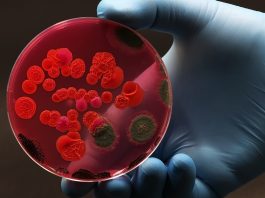
One in six infections worldwide is now resistant to antibiotics, according to the latest WHO report, highlighting a growing global health crisis.
Antibiotic resistance – when bacteria evolve to survive treatments that once cured infections – is escalating at an unprecedented pace.
The World Health Organization (WHO) has released its Global Antibiotic Resistance Surveillance Report 2025, showing that one in six laboratory-confirmed bacterial infections in 2023 were resistant to standard treatments.
Between 2018 and 2023, resistance increased in over 40% of monitored pathogen-antibiotic combinations, averaging a 5–15% rise annually.
Antibiotic resistance hotspots: Where the threat is greatest
The WHO report emphasises that resistance to antibiotics is not evenly distributed. The highest prevalence is seen in the South-East Asian and Eastern Mediterranean regions, where approximately one in three infections is now resistant. In the African Region, resistance affects one in five infections.
Health systems with limited capacity to diagnose and treat bacterial infections face the steepest challenges. In such regions, resistant infections often go undetected, leading to delayed treatment, higher mortality, and further spread of resistant pathogens.
Gram-negative bacteria pose the largest risk
Drug-resistant Gram-negative bacteria, including Escherichia coli and Klebsiella pneumoniae, are among the most serious threats. These pathogens are major causes of bloodstream infections, which can lead to sepsis, organ failure, and death.
Globally, over 40% of E. coli and more than 55% of K. pneumoniae are resistant to third-generation cephalosporins – the first-line treatment for severe infections. Alarmingly, resistance in the African Region exceeds 70%.
Other essential antibiotics, such as carbapenems and fluoroquinolones, are also losing effectiveness against E. coli, K. pneumoniae, Salmonella, and Acinetobacter.
Once rare, carbapenem resistance is becoming more common, forcing reliance on last-resort treatments that are costly, scarce, and often inaccessible in low- and middle-income countries.
Surveillance improvements offer hope
Despite the growing threat, the WHO report highlights progress in global surveillance. Participation in the Global Antimicrobial Resistance and Use Surveillance System (GLASS) has more than quadrupled, from 25 countries in 2016 to 104 in 2023.
However, nearly half of the countries did not report data in 2023, and many reporting nations still lack reliable systems to monitor resistance.
The countries facing the largest burden of antibiotic resistance are often the least equipped to track it, limiting global understanding and response.
Coordinated global action is urgent
The 2024 United Nations General Assembly adopted a political declaration urging countries to tackle antimicrobial resistance using a “One Health” approach that coordinates human, animal, and environmental health sectors.
The WHO calls on nations to generate high-quality AMR and antimicrobial use data by 2030. Strengthening laboratory systems, expanding surveillance, and ensuring treatment guidelines align with local resistance patterns are critical steps.
Coordinated interventions at all healthcare levels can slow resistance, improve patient outcomes, and preserve the effectiveness of life-saving antibiotics.
Digital tools support policy and treatment
The 2025 report includes expanded digital content on the WHO GLASS dashboard. Policymakers, healthcare providers, and researchers can access global and regional summaries, country-specific profiles, and detailed antimicrobial use data.
These tools are designed to support evidence-based decisions, track progress, and identify gaps in the fight against antibiotic resistance.
Rising to the antimicrobial resistance challenge globally
Resistance to antibiotics is a mounting global crisis, with the heaviest burden falling on countries least able to respond.
While improved surveillance provides critical insights, urgent action is needed to strengthen health systems, expand access to effective treatments, and coordinate interventions worldwide.
The WHO report underscores that the fight against antimicrobial resistance is far from over – but it is one that must be won to safeguard global health.