A groundbreaking material developed at Northwestern University may soon transform the $60bn US food packaging industry.
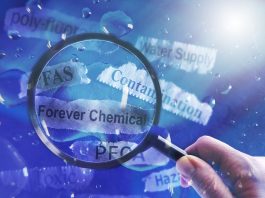
Scientists have developed a graphene oxide-based coating that is both water-resistant and oil-repellent and is environmentally safe and remarkably strong – promising a sustainable alternative to plastic and toxic PFAS-laced packaging.
Unlike conventional materials that rely on synthetic chemicals for moisture and grease resistance, this new innovation harnesses graphene oxide, a carbon-based compound known for its durability and barrier properties.
When applied to paper-based packaging, it not only protects against liquids but also reinforces structural integrity, eliminating problems like flimsy plates and soggy containers.
Graphene oxide: A sustainable, scalable, and safe PFAS alternative
Developed through decades of research in chemistry and mechanical engineering, the graphene oxide coating is a non-toxic and compostable solution designed with scalability in mind.
It meets urgent industry needs as regulatory bans on PFAS and single-use plastics continue to tighten due to mounting environmental and health concerns.
GO-Eco, a startup spun out of Northwestern and housed at the university’s Querrey InQbation Lab (The Q), is leading the commercialisation of this patent-pending technology.
With backing from industry partners and a recent investment from a national tableware manufacturer, GO-Eco is pushing the material from the lab bench to the production floor.
Recent tests conducted at Western Michigan University’s Paper Pilot Plant confirmed the coating’s effectiveness.
Paper products treated with small amounts of graphene oxide demonstrated a 30–50% increase in strength and barrier performance — all while maintaining a cost comparable to existing market alternatives.
Reinventing paper for the modern world
The application range for this innovation is vast. Researchers have tested it across a variety of formats, including cardboard boxes, disposable tableware, produce bags, and straws.
In all cases, the material achieved high levels of oil, water, and grease resistance while significantly improving durability.
Beyond food packaging, the broader implications for sustainable product design are substantial. Since the graphene oxide treatment is biodegradable and does not compromise recyclability, it presents a closed-loop solution – aligning with the growing demand for circular economy practices in consumer goods.
Meeting industrial demands at scale
GO-Eco is now actively preparing for full-scale pilot production, with plans to certify FDA compliance for food contact and confirm the recyclability and compostability of treated materials.
This next phase includes testing moulded fibre and traditional paper-sheet prototypes in collaboration with several manufacturers.
The development is timely. An estimated 14 million metric tonnes of paper-based packaging are produced annually in the US alone. Much of it is coated with environmentally hazardous materials to withstand oils and moisture – a necessity until now.
GO-Eco’s graphene oxide innovation could eliminate the need for such harmful substances while maintaining and even enhancing product performance.
With industry-standard evaluations underway and strategic partnerships forming, the graphene oxide technology is poised to set a new benchmark for eco-friendly food packaging.
For companies seeking affordable, high-performance alternatives to plastic and PFAS, graphene oxide might just be the breakthrough the industry has been waiting for.
Get The Latest PFAS News
Explore the latest PFAS news, updates on PFAS contamination, health risks, regulations, and environmental impact. Visit our comprehensive PFAS news archive to stay informed with in-depth reporting, expert analysis, and breaking developments. Start reading now to stay ahead on all things PFAS and ‘forever chemicals’.